
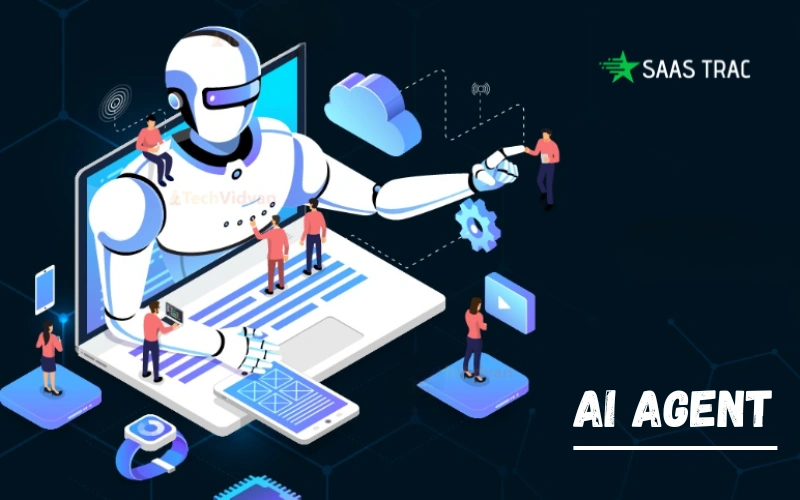
The business world moves faster than ever, and the tools that power it must keep up. An AI agent is no longer just a concept from science fiction, it is a working reality that helps modern teams make smarter decisions, reduce manual effort, and unlock growth at scale.
The rise of autonomous AI agents marks a major milestone in the evolution of artificial intelligence across finance, research, and product analytics. These agents act as intelligent assistants capable of performing financial analysis, optimizing revenue streams, managing accounting workflows, and even functioning as virtual CFOs.
One platform leading this movement is SaaStrac AI Agents. It offers a curated ecosystem of AI-powered agents designed for modern businesses, covering accounting, payments, growth forecasting, asset management, data science, and analytics. Instead of juggling disconnected tools, companies can explore agents tailored precisely to their workflows.
What Is An AI Agent And Why Does It Matter?
At its core, an AI agent is an autonomous system that perceives its environment, processes information, and takes actions to achieve defined goals without requiring constant human direction. Unlike traditional software tools that only respond to commands, it can reason through complex tasks, adapt to new data, and continuously improve its performance.
Think of it like hiring a highly capable digital team member who never sleeps, never misses patterns in data, and can scale across thousands of tasks at the same time.
For businesses handling large data volumes and operating in fast-moving markets, this level of capability can transform how decisions are made.
As organizations increasingly rely on data-driven strategies, the demand for intelligent autonomous systems continues to grow across industries, especially in areas where research, analytics, and decision-making are central to daily operations.
The Role Of An AI Agent In Data Science
Data science involves many complex processes such as exploring datasets, cleaning raw data, building predictive models, testing hypotheses, and interpreting results. Traditionally, these tasks required significant time and expertise from skilled professionals.
An AI agent for data science helps streamline these processes by automating repetitive tasks and accelerating analysis, allowing teams to focus more on strategic insights and innovation.
- Automates data exploration and preprocessing tasks
- Identifies relevant variables within large datasets
- Detects anomalies and unusual data patterns
- Runs statistical analyses automatically
- Generates clear summaries for faster decision-making
- Supports researchers by surfacing and summarizing academic papers
- Helps teams produce faster and more accurate insights
How An AI Agent Powers Modern Data Analytics?
Analytics is where businesses convert raw numbers into strategy. An AI agent for data analytics goes far beyond dashboards and static reports. It continuously monitors data streams, flags significant shifts, proposes explanations, and recommends next actions in real time.
Product teams, growth marketers, and operations managers all benefit when intelligent automation works in the background, alerting them the moment user engagement drops, revenue trends shift, or a campaign underperforms. These are not hindsight observations; they are live signals that drive decisive action.
The ability of such systems to connect patterns across multiple data sources, from user behavior to revenue figures to external market signals, gives businesses a holistic view that manual analytics rarely achieves.
Also Read:
How to Choose the Best Free AI Agents (And Where to Actually Find the Right Ones)
Top Productivity AI Agents For Small Business & Teams
Top AI Agent-Powered SaaS Tools For Data Science And Analytics
SaaStrac AI Agents features a curated directory of best-in-class platforms that put an AI agent to work across research, product analytics, and causal modeling. Here are six standout tools available through the ecosystem:
1. Consensus — AI Research Search Made Smarter
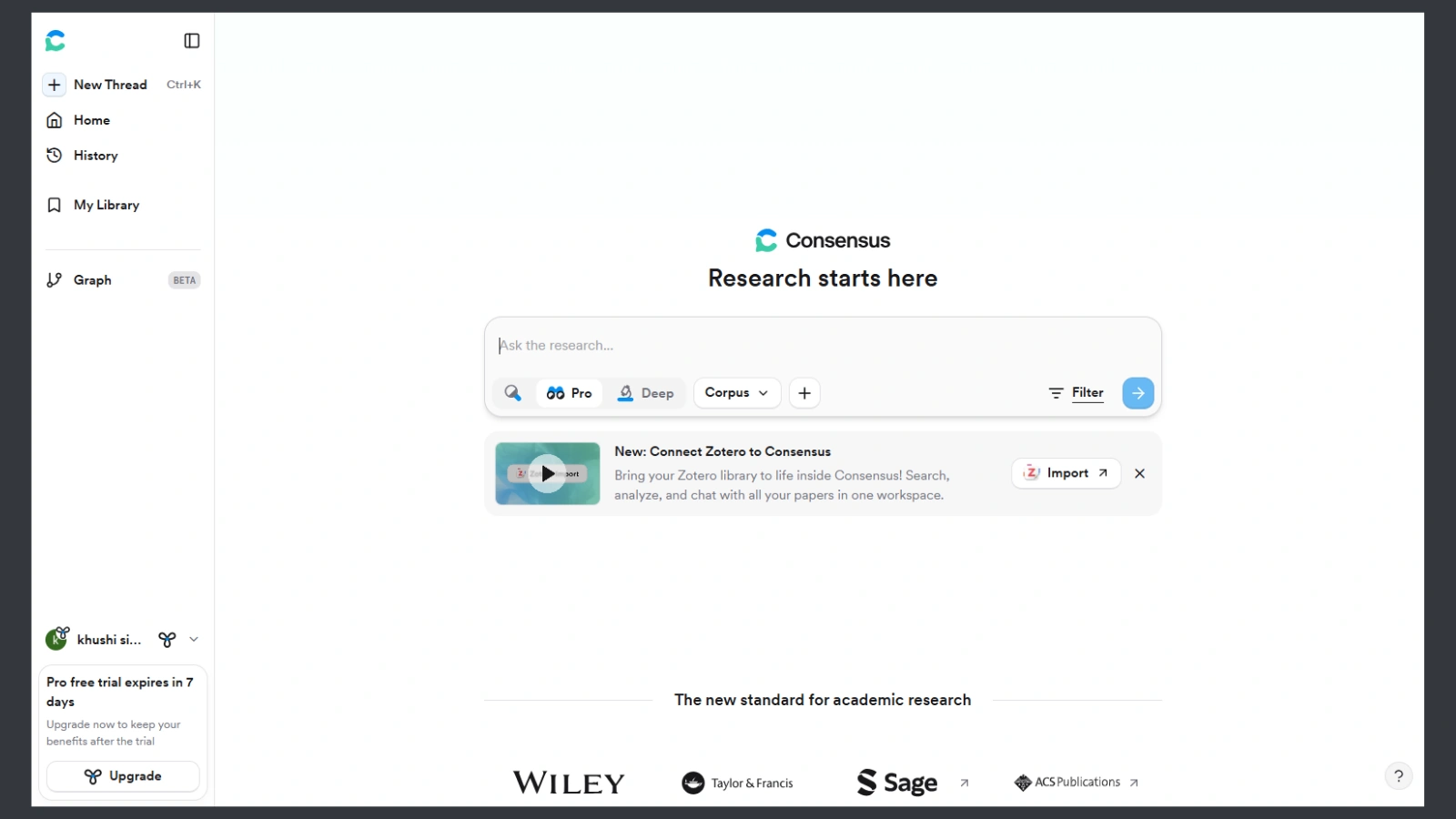
Consensus is a research search engine powered by an AI agent that scours millions of academic papers and surfaces evidence-backed answers in seconds. Instead of reading through dozens of studies manually, researchers get synthesized insights with direct source citations.
Whether you are validating a hypothesis or exploring an entirely new domain, Consensus dramatically cuts research time. It is an essential tool for scientists, analysts, and strategists who rely on credible literature to make informed decisions.
2. SurveyMonkey — The Smarter Way to Collect Feedback and Make Better Decisions
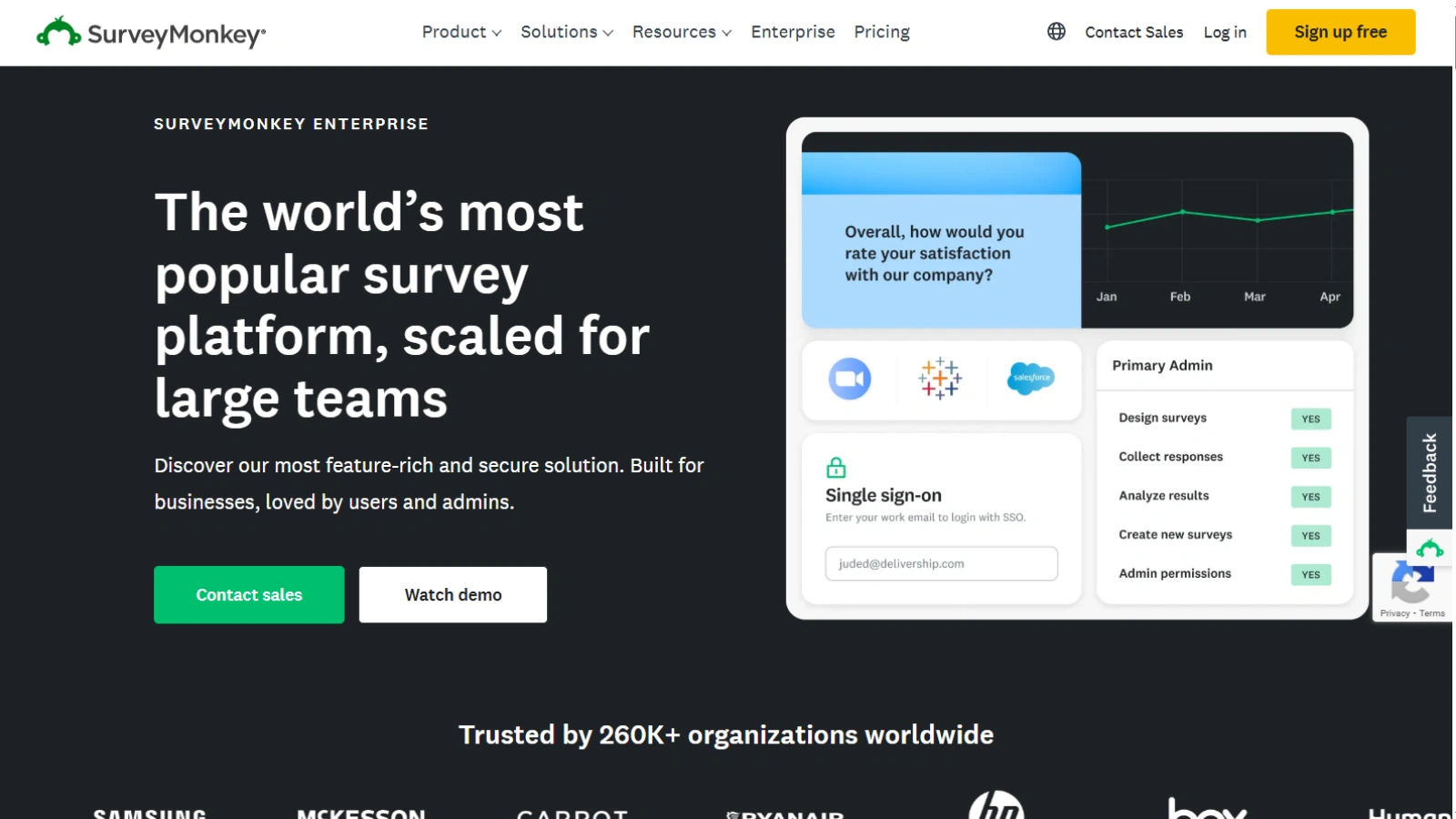
SurveyMonkey has evolved well beyond simple surveys. Its AI-powered capabilities help teams design better questions, analyze open-ended responses at scale, and draw statistically meaningful conclusions faster.
An embedded intelligent analysis layer spots trends in feedback data that human reviewers might overlook. It is ideal for product teams, HR departments, and market researchers who want to make confident decisions from real customer and employee sentiment, not guesswork.
3. Amplitude — Smarter AI-Powered Product Analytics
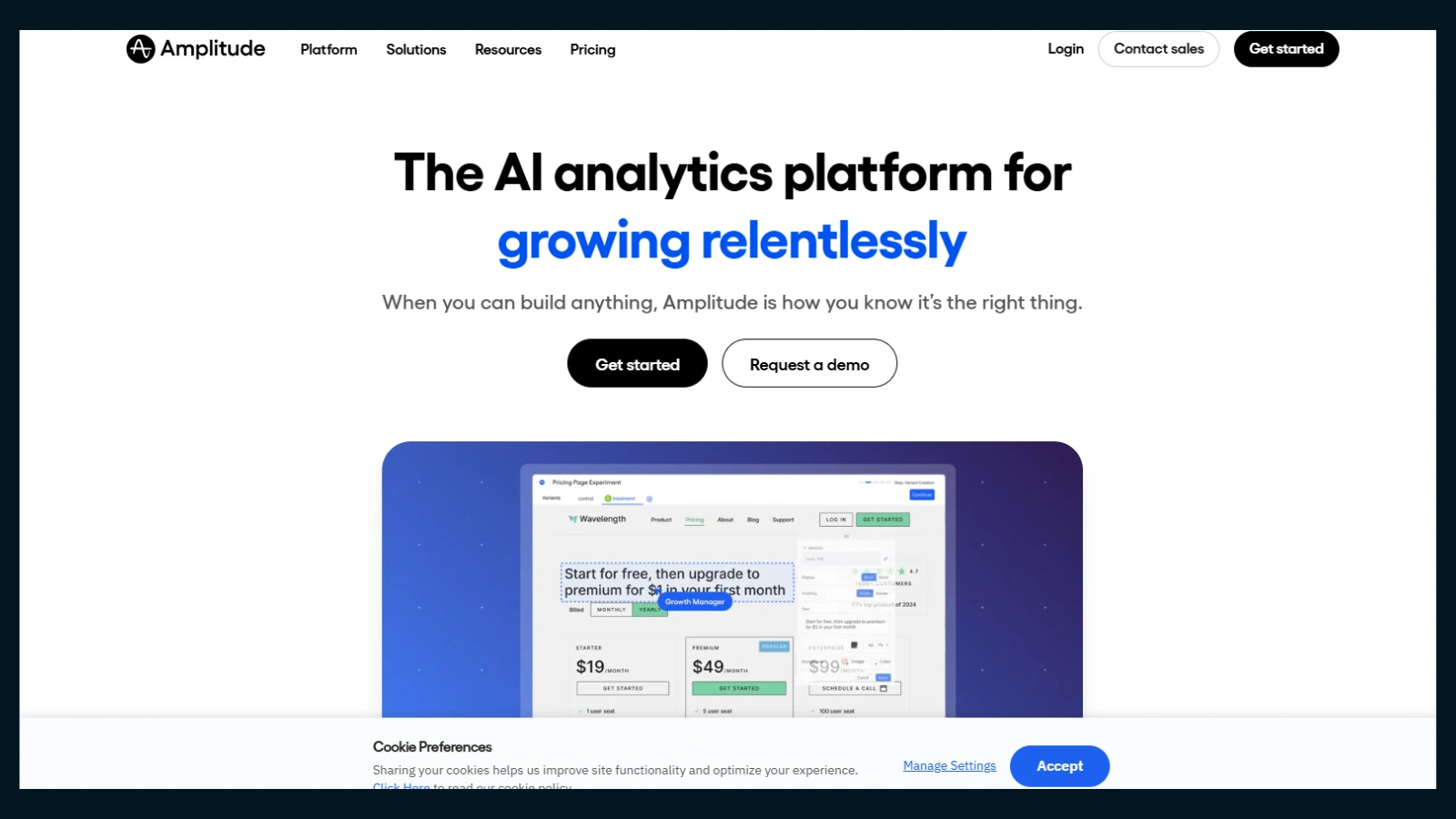
Amplitude is a leading product analytics platform that helps teams understand user behavior with precision. Its AI capabilities allow an AI agent to automatically surface retention risks, conversion drop-offs, and feature adoption patterns.
Rather than digging through charts manually, product managers receive proactive insights and act faster. Amplitude integrates cleanly into modern growth stacks and is one of the most widely trusted platforms in the SaaStrac ecosystem.
4. Wallabi — AI Analyst for Product and Growth Teams
Wallabi functions as a dedicated AI analyst embedded directly into business workflows. It reads data from connected sources, generates plain-language explanations for metric changes, and helps growth teams prioritize their next experiments.
For companies that want the power of a data analyst without expanding headcount, Wallabi delivers exactly that through an intuitive AI-powered experience that requires minimal setup and delivers immediate value.
5. CausaLens — Unlock Smarter Decisions with Causal AI
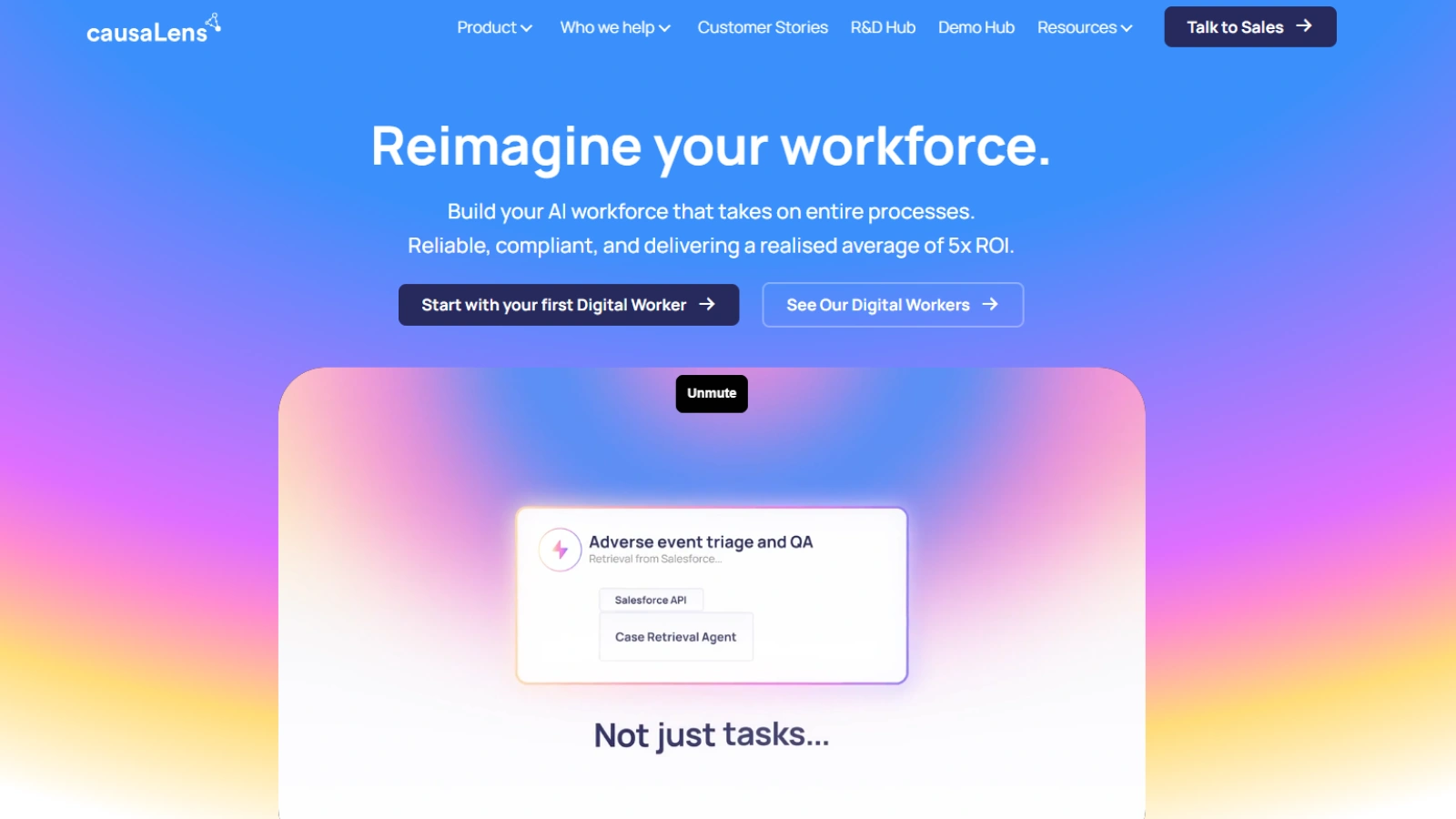
CausaLens goes beyond correlation-based analytics by applying causal AI to decision-making. Traditional analytics tells you what happened. CausaLens tells you why it happened and what will change if you adjust a key variable.
For data science teams working on complex modeling challenges, this platform delivers a level of analytical rigor that standard BI tools simply cannot match. It represents what a truly capable AI agent framework looks like in enterprise environments.
6. Avidnote — Your AI Lab Partner for Faster, Smarter Research
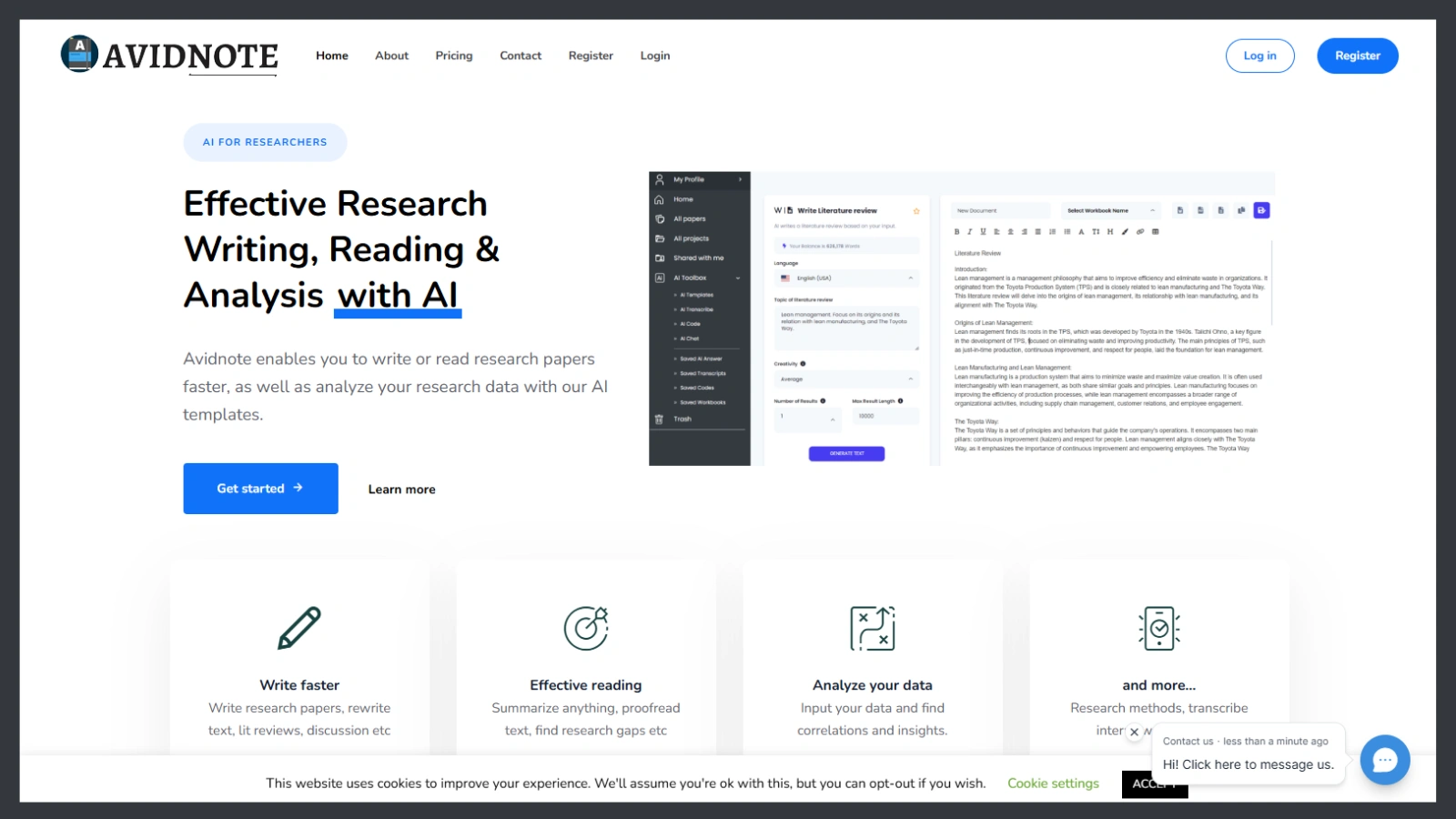
Avidnote is built for academics and researchers who need to read, annotate, and synthesize large volumes of literature efficiently. Its intelligent capabilities help extract key insights from papers, generate structured summaries, and assist in writing literature reviews.
For anyone conducting primary research or building institutional knowledge bases, Avidnote is a powerful and practical partner that saves hours every single week.
What Are The Key Benefits Of Deploying An AI Agent Across Data Workflows?
Deploying an AI agent across data workflows helps organizations analyze information faster, reduce manual effort, and improve the quality of insights. By automating complex analytical processes, AI agents allow teams to focus more on strategy and decision-making while ensuring data is processed consistently and efficiently.
Faster data processing:
An AI agent significantly reduces analysis time, turning tasks that once took hours into minutes.
Improved consistency:
It applies the same logic and analytical methods across all datasets, ensuring reliable and consistent results.
Comprehensive data coverage:
AI agents analyze every available data point, minimizing the risk of missed insights or human oversight.
Fewer errors:
Automated analysis reduces manual mistakes and improves the overall accuracy of results.
Scalability across projects:
An intelligent system can manage multiple datasets and workflows simultaneously without increasing the workload for teams.
Faster iteration cycles:
Teams can test ideas, analyze results, and refine strategies more quickly.
More reliable insights:
Continuous monitoring and analysis lead to deeper and more dependable data insights.
Proactive decision-making:
Instead of waiting for periodic reports, stakeholders receive ongoing insights that support faster and more strategic decisions.
How SaaStrac AI Agents Curates The Best Tools For Your Team
SaaStrac AI Agents is not just a directory; it is a discovery engine for some of the most capable platforms available today. The platform evaluates tools across categories such as finance, research, analytics, growth, and operations, making it easier for businesses to find the right solution for their exact use case.
Each listing on SaaStrac provides context on what an agent does, who it is built for, and how it integrates into existing systems. Whether you are a startup looking for a lightweight analytics companion or an enterprise searching for a causal AI platform, SaaStrac helps you navigate the landscape with clarity and confidence.
The platform also spans adjacent use cases, so if your team needs an AI agent for financial forecasting alongside one for user research, SaaStrac brings both under one roof.
The Future Belongs To Teams That Adopt AI Agents Now
The competitive gap between AI-native teams and traditional teams is widening every quarter. Companies that bring an AI agent into their data science and analytics workflows today build structural advantages that become increasingly difficult for competitors to replicate.
This is not about replacing human talent. It is about giving talented people far better tools. When a researcher reviews fifty papers in the time it used to take to review five, or when a product manager receives automatic alerts the moment a metric deviates from its expected path, both work output and decision quality improve dramatically.
Adopting the right intelligent technology stack, whether for research, analytics, finance, or growth, stands among the highest-leverage investments a team can make in 2025.
Conclusion
The ecosystem of AI agents is maturing rapidly, and the best tools are already here. From academic research assistants like Avidnote and Consensus, to deep product analytics platforms like Amplitude and Wallabi, to causal decision engines like CausaLens, the right AI agent exists for nearly every data challenge your team faces.
SaaStrac AI Agents makes discovery simple. Browse the full catalogue, evaluate your options, and find the AI agent that fits your workflow, your team, and your ambitions. The future of intelligent work is already here, the only question is how quickly you choose to embrace it.
FAQs
How do these systems integrate with existing data platforms?
They integrate with existing data platforms through APIs, data connectors, and cloud integrations. These connections allow access to databases, analytics dashboards, CRMs, and data warehouses in real time, enabling continuous data analysis without major infrastructure changes.
What skills are needed to work with these tools in data science?
Working with these tools typically requires knowledge of data analysis, machine learning concepts, and data visualization platforms. Professionals also benefit from understanding statistics, Python or SQL, and data interpretation to guide analysis and validate results effectively.
Are these solutions suitable for small businesses and startups?
Yes, many modern solutions are designed for organizations of all sizes. Cloud-based platforms allow startups and small teams to automate analytics, research, and forecasting without building large data science teams, making advanced capabilities more accessible.
4. How secure is the data handled by these systems?
Most enterprise-grade platforms follow strict security standards such as encryption, access control, and compliance with regulations like GDPR. Businesses can configure permissions and governance policies to ensure sensitive information remains protected during analysis.