
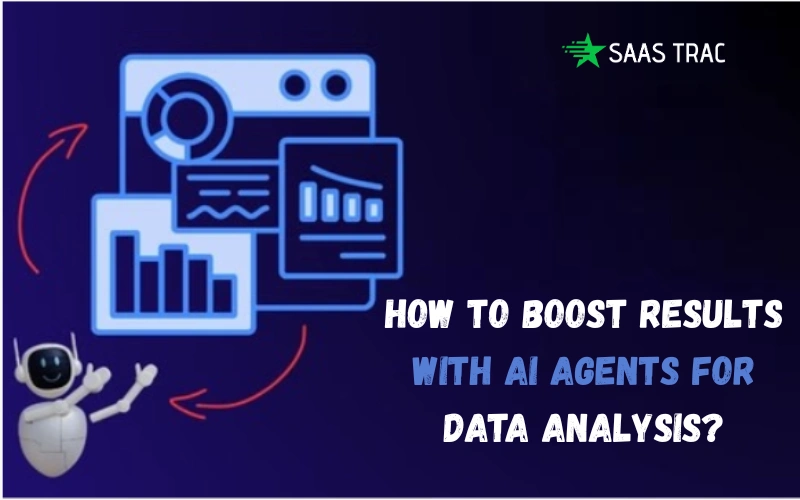
Data has always been the backbone of good decision-making. But for most businesses, the real challenge is not collecting data, it is making sense of it quickly enough to act. That is exactly where AI Agents for data analysis are changing the game.
In this guide, we will break down how these agents work, what they can do for your business, and which tools are worth your attention right now.
What Are AI Agents For Data Analysis?
An AI agent is a software system designed to perceive its environment, process information, and take actions to achieve a defined goal. When applied to data analysis, these agents go far beyond dashboards and spreadsheets.
Unlike traditional business intelligence tools that wait for a human to ask the right question, AI Agents for data analysis can independently explore datasets, detect anomalies, surface insights, and even suggest next steps, all in real time.
Think of them as always-on analysts working in the background of your business, continuously scanning data and flagging what matters most.
How Do AI Agents For Data Analysis Actually Work?
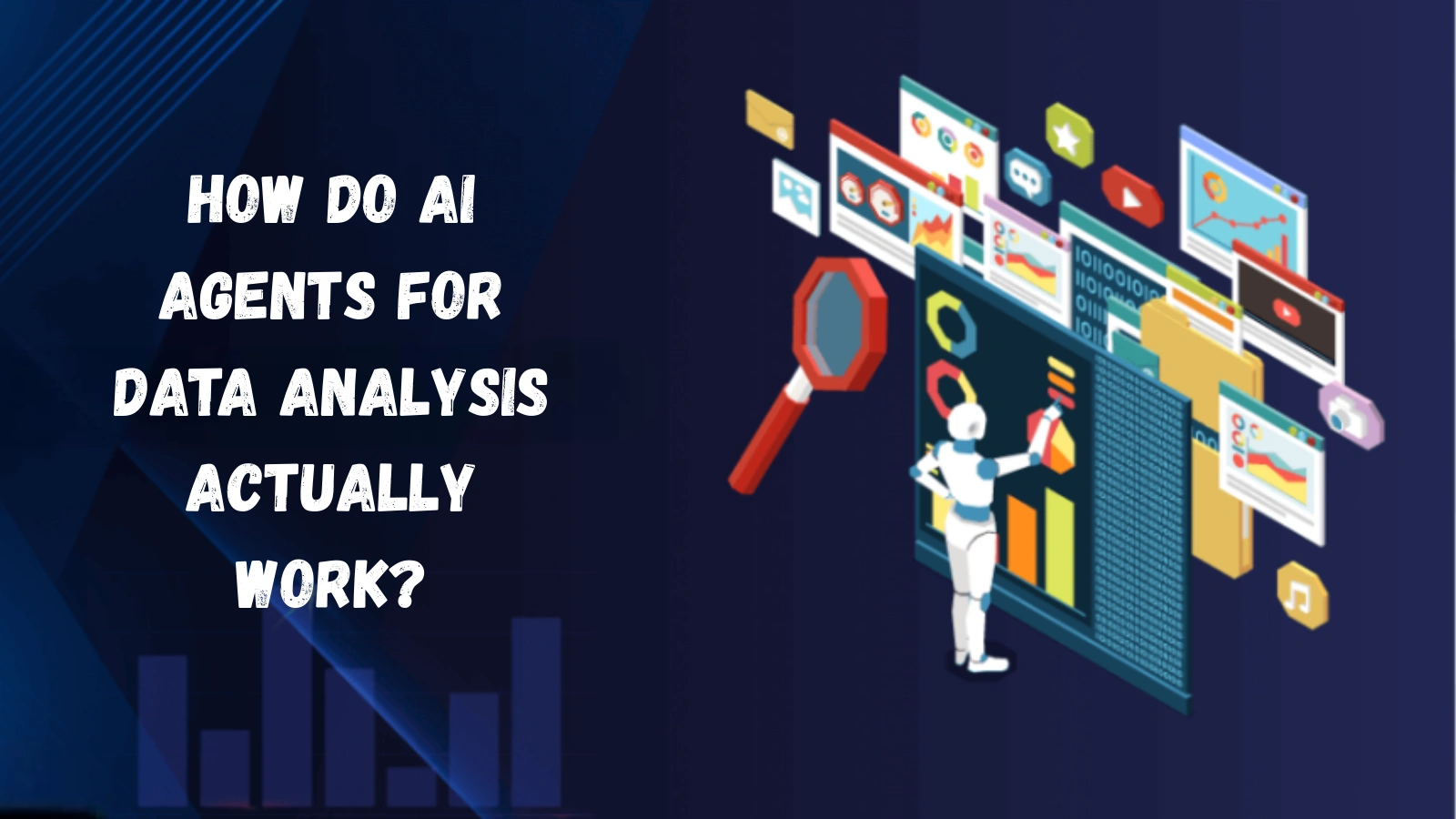
Here is how the process typically unfolds:
- Data Ingestion: The agent connects to one or multiple data sources, databases, spreadsheets, APIs, CRM systems, or cloud storage, and pulls in raw data. A simple example here would be an agent automatically pulling daily sales figures from a CRM like Salesforce.
- Natural Language Understanding: Instead of requiring SQL queries or Python scripts, modern AI tools allow users to ask questions in plain English. The agent interprets the intent and runs the appropriate analysis.
- Autonomous Reasoning: The agent breaks down the question into sub-tasks, decides what to analyze, and iterates through findings, much like a skilled analyst would think through a problem.
- Output Generation: Results come back as visualizations, written summaries, forecasts, or actionable recommendations, ready to share with stakeholders without any technical translation required.
Also Read:
How Can An AI Agent Transform Data Science And Analytics?
AI Agents Directory Tools: Filters, Categories & Best Practices For Discovery
Key Benefits of Using AI Agents For data analysis
- Speed: Insights that once took days of analyst work now arrive in minutes.
- Consistency: Agents do not suffer from fatigue or cognitive bias, so their analysis holds up under pressure.
- Scalability: AI agents for data analysis handle multiple datasets simultaneously without additional headcount.
- Accessibility: Even teams without data science expertise can generate meaningful insights by simply asking questions.
- Cost Efficiency: Reduce dependency on large analyst teams while maintaining high-quality output.
- 24/7 Availability: Unlike human analysts, AI agents work around the clock without breaks or downtime.
- Seamless Integration: Most agents connect directly to your existing tools, databases, and workflows.
Together, these advantages make AI agents for data analysis a compelling investment for companies of any size.
How Can I Use AI Agents For Data Analysis In My Business?
If you are wondering how can I use AI agents for data analysis without hiring a team of engineers, the answer is simpler than you might expect. Platforms like Saastrac AI Agents, along with other AI agents directory tools, have made it remarkably easy to discover, compare, and deploy the right AI tools for your specific analytical needs.
Saastrac is a curated directory of 1,000+ AI agents across dozens of categories, including data analysis, business intelligence, automation, and more. Rather than spending weeks evaluating tools independently, you can browse verified listings, check categories, and find agents purpose-built for the kind of analysis your business requires.
Whether you want to monitor real-time sales performance, analyze customer behavior, or build predictive models for inventory, Saastrac makes the discovery process fast and friction-free.
AI Agents For Business Data Analysis: What Sets It Apart?
General data analysis tools are built for exploration. AI agents for business data analysis are built for decision support. That distinction matters enormously.
Business-focused agents prioritize context. They understand KPIs, business cycles, and the language of departments, finance, marketing, operations, and HR. They also integrate with the tools businesses already use: Salesforce, HubSpot, Google Analytics, Slack, and ERP systems.
The result is analysis that does not just explain what happened, but helps leadership decide what to do next. That shift from descriptive to prescriptive intelligence is what makes ai agents for business data analysis so powerful in a competitive environment.
Which Are The Best AI Agents For Data Analysis? Featured Tools On Saastrac
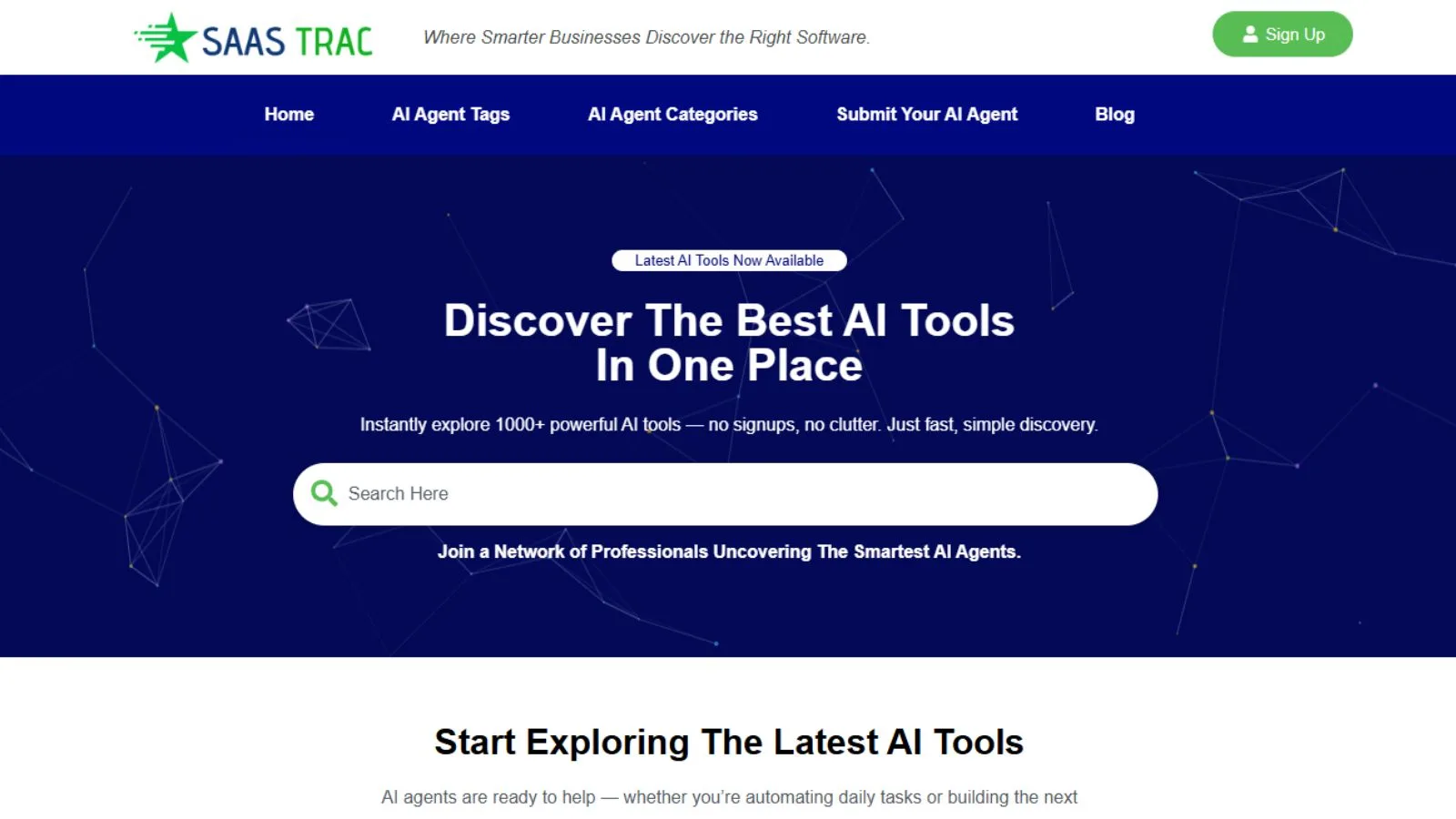
When looking for the best AI Agents for data analysis, the quality of the tool matters as much as the category. Saastrac AI Agents has identified and listed several standout platforms that businesses are using to transform their analytical workflows. Here are five worth knowing:
Athena Intelligence — Your 24/7 Enterprise AI Analyst:
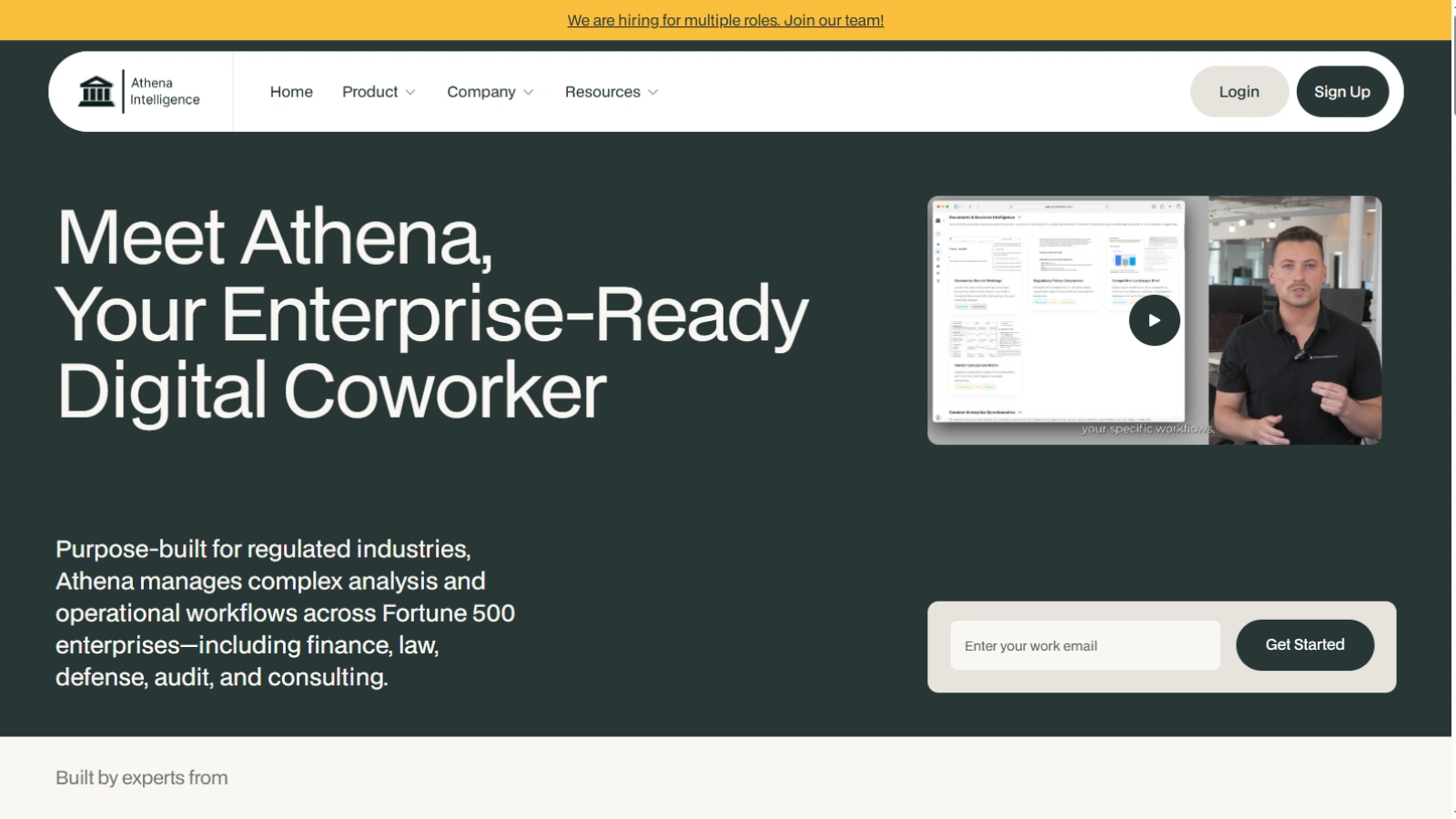
Athena Intelligence is built for enterprise teams that need continuous, high-quality analysis around the clock. It acts as a virtual analyst that never sleeps, monitoring data streams, generating reports, and responding to complex queries at any hour.
For large organizations dealing with high data volumes and stakeholder reporting demands, Athena brings the horsepower and consistency that human teams alone simply cannot match.
Delysium — The Decentralized Universe for AI Agents:
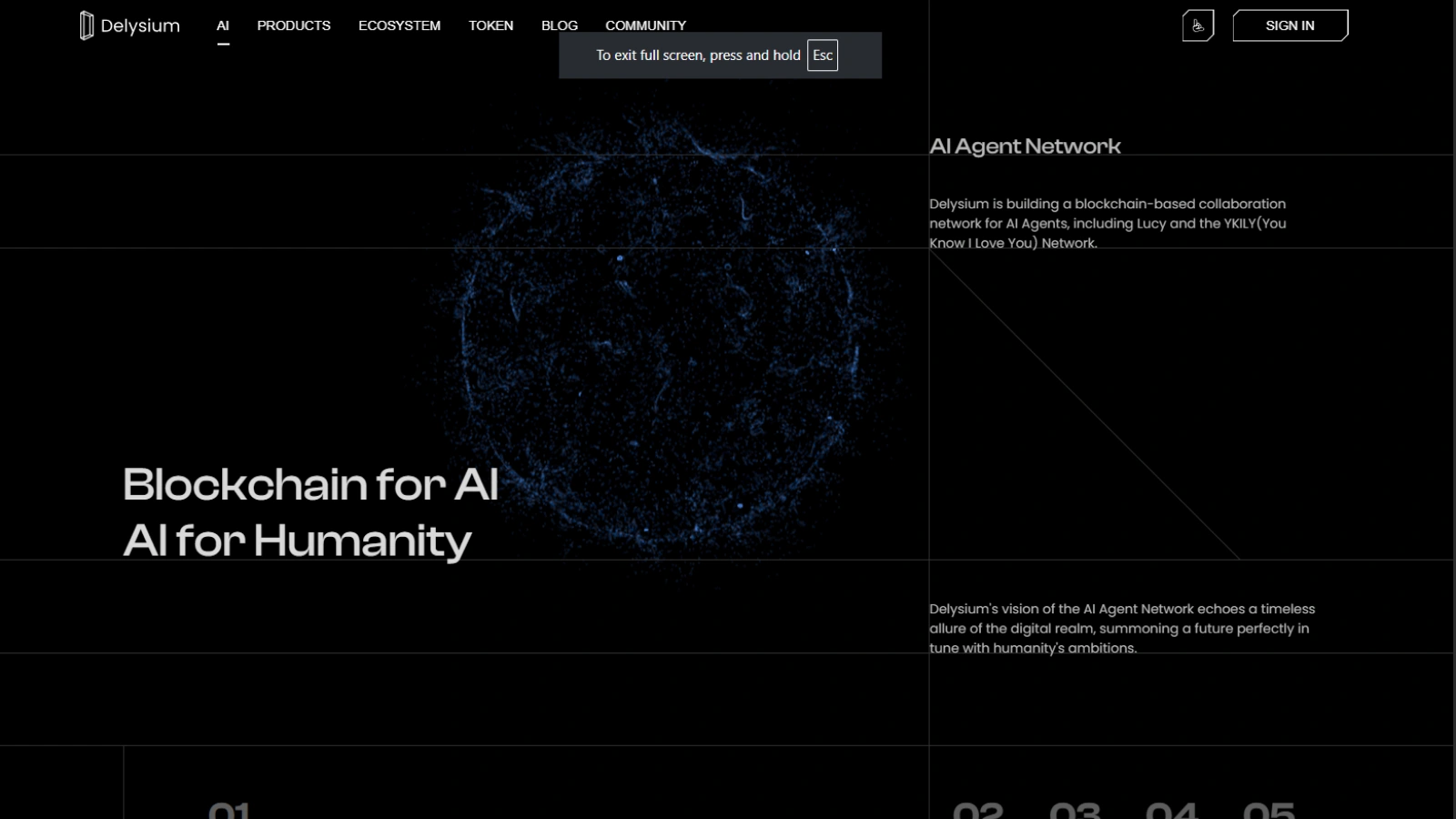
Delysium takes a unique approach by operating within a decentralized framework for AI agents. It enables teams to deploy, coordinate, and manage AI agents across distributed environments.
For businesses exploring more flexible and innovative architectures for data intelligence, Delysium opens up possibilities that traditional centralized platforms cannot offer.
Bizzit — AI Business Insights, Tailored for You:
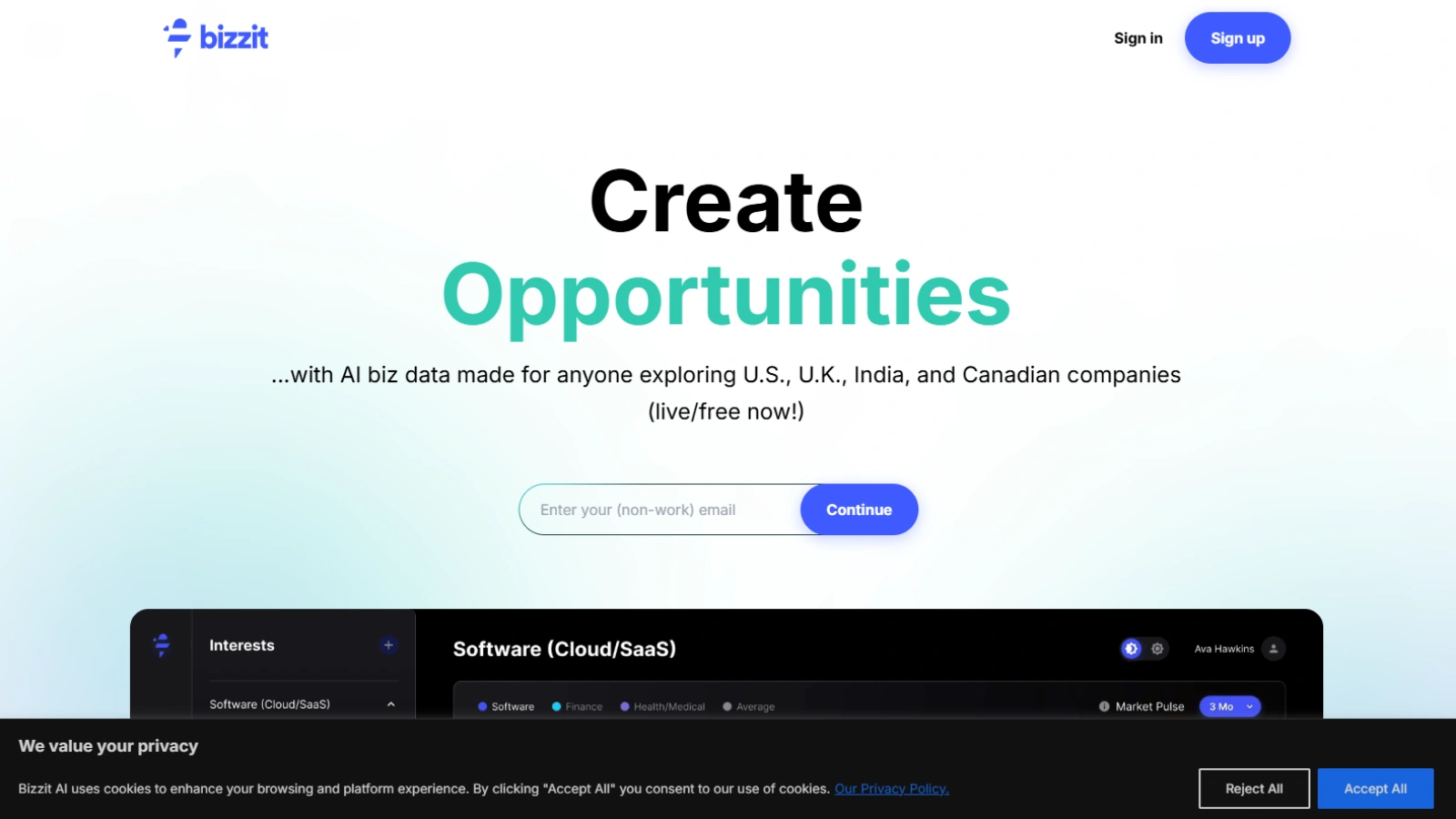
Bizzit focuses on delivering business insights that are customized to each user’s context. Rather than presenting raw data outputs, Bizzit frames its findings around the specific decisions a business needs to make.
If you have ever wished your analytics platform actually understood your business objectives, Bizzit is worth exploring.
Othor AI — AI Business Analyst Built to Simplify Data Decisions:
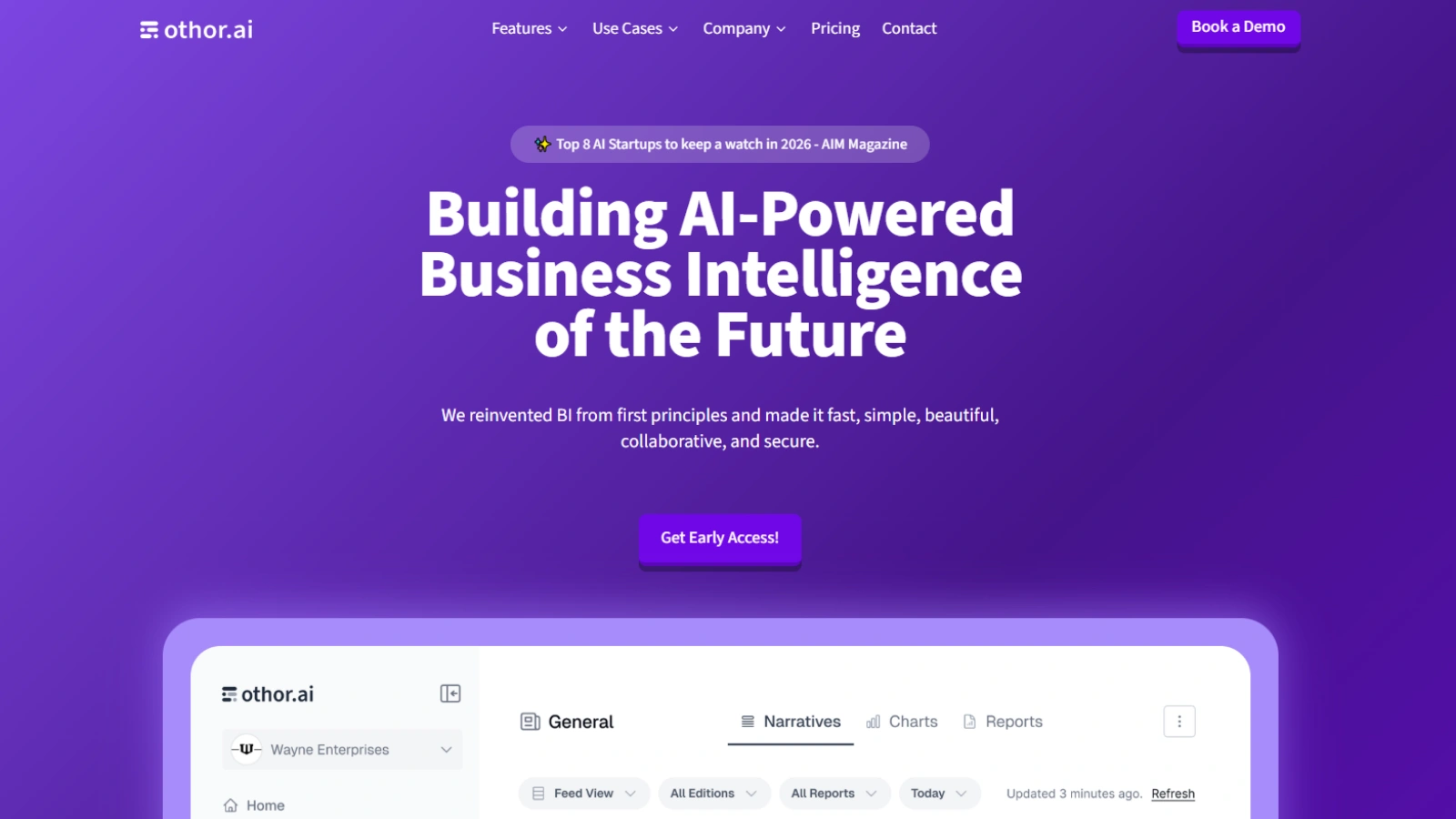
Othor AI is designed specifically for non-technical users who need to make data-driven decisions without a data science background. It simplifies the analytical process by allowing teams to ask business questions in plain language and receive clear, actionable answers.
It is a strong choice for growing companies that want the power of AI Agents for data analysis without the complexity.
Pecan AI — Predict the Future of Your Business Without Writing a Line of Code:
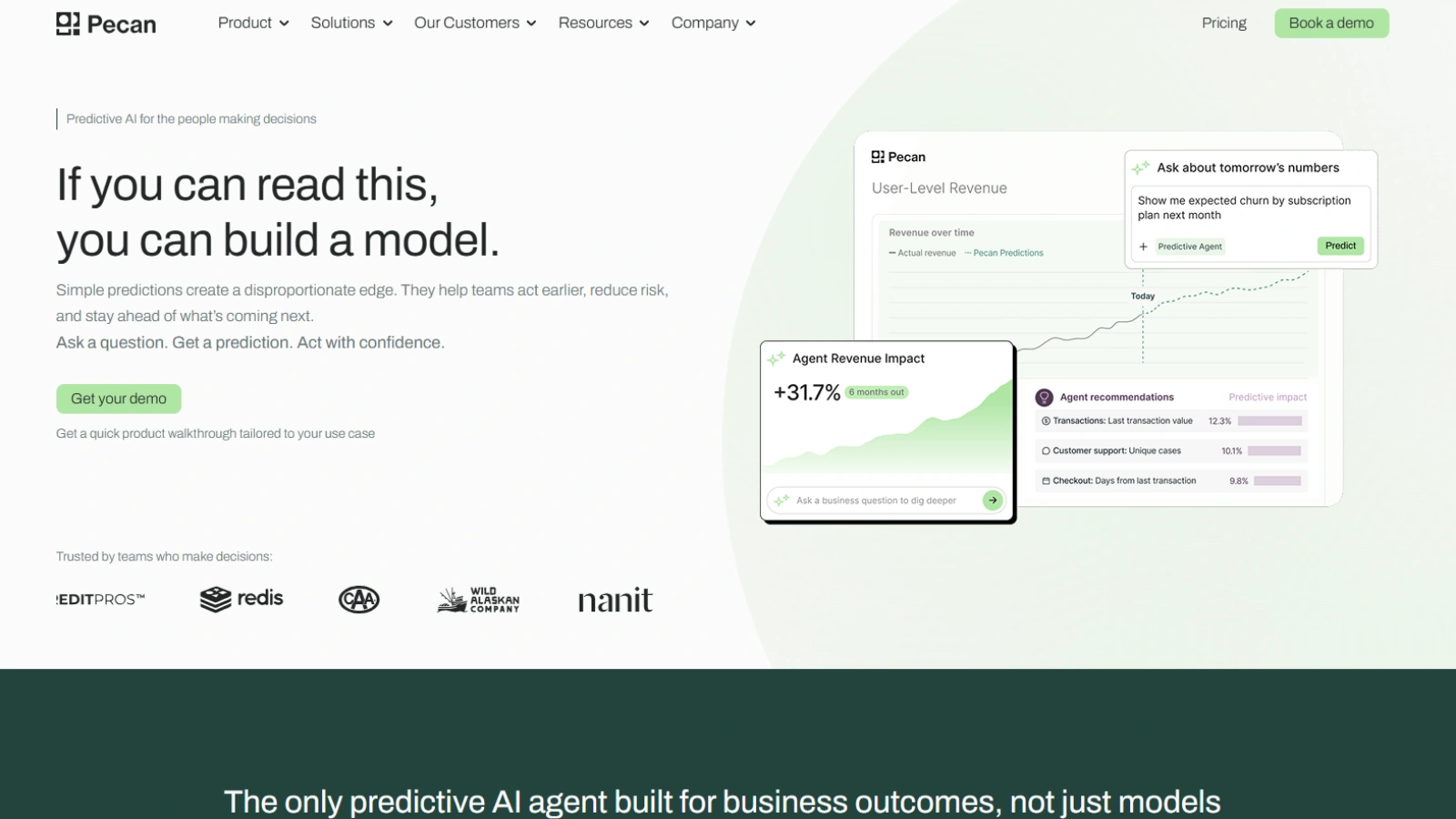
Pecan AI specializes in predictive analytics, one of the most valuable capabilities in the data analysis space. It allows business teams to build and deploy predictive models without writing a single line of code.
Whether forecasting revenue, predicting customer churn, or anticipating demand shifts, Pecan AI puts the power of machine learning directly into the hands of business analysts.
Explore all these tools and more on Saastrac AI Agents
How Do You Choose The Right AI Agent For Your Data Needs?
- Data Compatibility: Confirm the agent connects natively to your existing databases, CRMs, or cloud storage.
- Ease of Use: The best AI agents for data analysis require minimal onboarding, even for non-technical users.
- Output Format: Check whether it delivers dashboards, written summaries, or natural language reports, ideally all three.
- Security and Compliance: Sensitive data needs serious protection. Verify GDPR, HIPAA, or SOC 2 compliance before deploying.
- Integration Depth: Agents that plug into your existing tools like Slack, Salesforce, or Google Workspace deliver value from day one.
Starting with a clear use case, sales forecasting, churn prediction, or operations monitoring, will help you find the right fit far more quickly than evaluating features alone.
The Future Of AI Agents For Data Analysis
We are still in the early innings. The capabilities of AI-driven data analysis are expanding rapidly, and the direction is clear: these systems will become more autonomous, more context-aware, and more embedded into the daily rhythm of business operations.
Expect to see systems that proactively surface insights before leaders even think to ask. Expect tighter integration with collaboration tools, so analysis flows naturally into team conversations. And expect the line between analyst and executive to blur, as advanced analytics platforms put sophisticated insight directly in the hands of every decision-maker in the organization.
Businesses that build familiarity with these tools now will be significantly better positioned as the technology matures over the next two to three years.
Final Thoughts
The data your business generates every day contains answers you have not found yet. AI Agents for data analysis exist to close that gap, working autonomously, continuously, and intelligently to surface what matters and help your team act on it faster.
Whether you are a lean startup or a large enterprise, there has never been a better moment to explore what AI Agents for data analysis can do for your organization. Platforms like Saastrac AI Agents make it easy to find tools that fit your needs, your budget, and your level of technical sophistication.
The question is not whether your competitors are looking at these tools. They are. The question is whether you will be the team that moves first.
FAQs
Q1. Are AI agents for data analysis safe to use with confidential business data?
Most enterprise-grade AI agents use end-to-end encryption, role-based access controls, and comply with standards like GDPR and SOC 2. Always review a tool’s data privacy policy before connecting sensitive datasets.
Q2. Do AI agents for data analysis replace human data analysts?
Not entirely. They handle repetitive, high-volume analysis tasks so human analysts can focus on strategy, interpretation, and creative problem-solving, making the overall team more effective, not redundant.
Q3. How much does it typically cost to use AI agents for data analysis?
Pricing varies widely. Some tools offer free tiers for small teams, while enterprise platforms can range from a few hundred to several thousand dollars per month depending on data volume and features required.