

The world of digital interaction is rapidly evolving, and AI characters are at the forefront of this transformation. These intelligent virtual entities are revolutionizing how users engage with games, applications, and digital experiences. As a developer, understanding how to create believable and engaging virtual personalities can set your projects apart in an increasingly competitive landscape.
Understanding AI Characters and Their Impact:
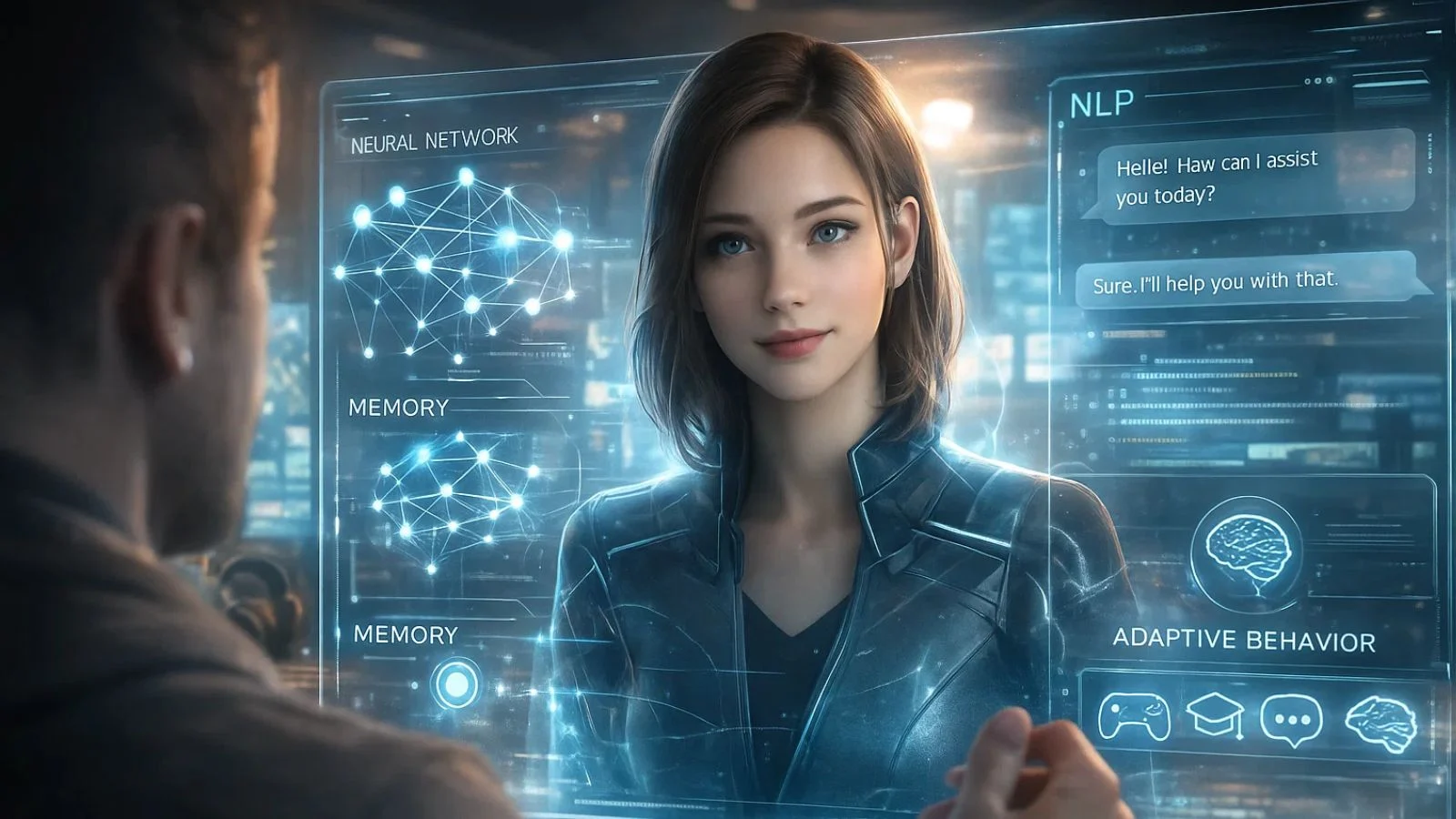
AI character represent sophisticated digital entities powered by artificial intelligence that can interact, respond, and adapt to user behavior in real time, making them a core focus of discussions around Best AI Character Generators+. Unlike traditional non-player characters with scripted responses, these advanced virtual beings leverage machine learning, natural language processing, and behavioral algorithms to create authentic interactions.
The technology behind these virtual personalities has matured significantly. Modern implementations can understand context, remember past interactions, and develop unique personality traits based on their experiences.
This evolution has opened new possibilities across gaming, education, customer service, and entertainment sectors. From virtual assistants in mobile apps to companions in role-playing games, AI character are becoming integral to modern user experiences.
Core Components of Realistic AI Characters:
1. Natural Language Processing Integration:
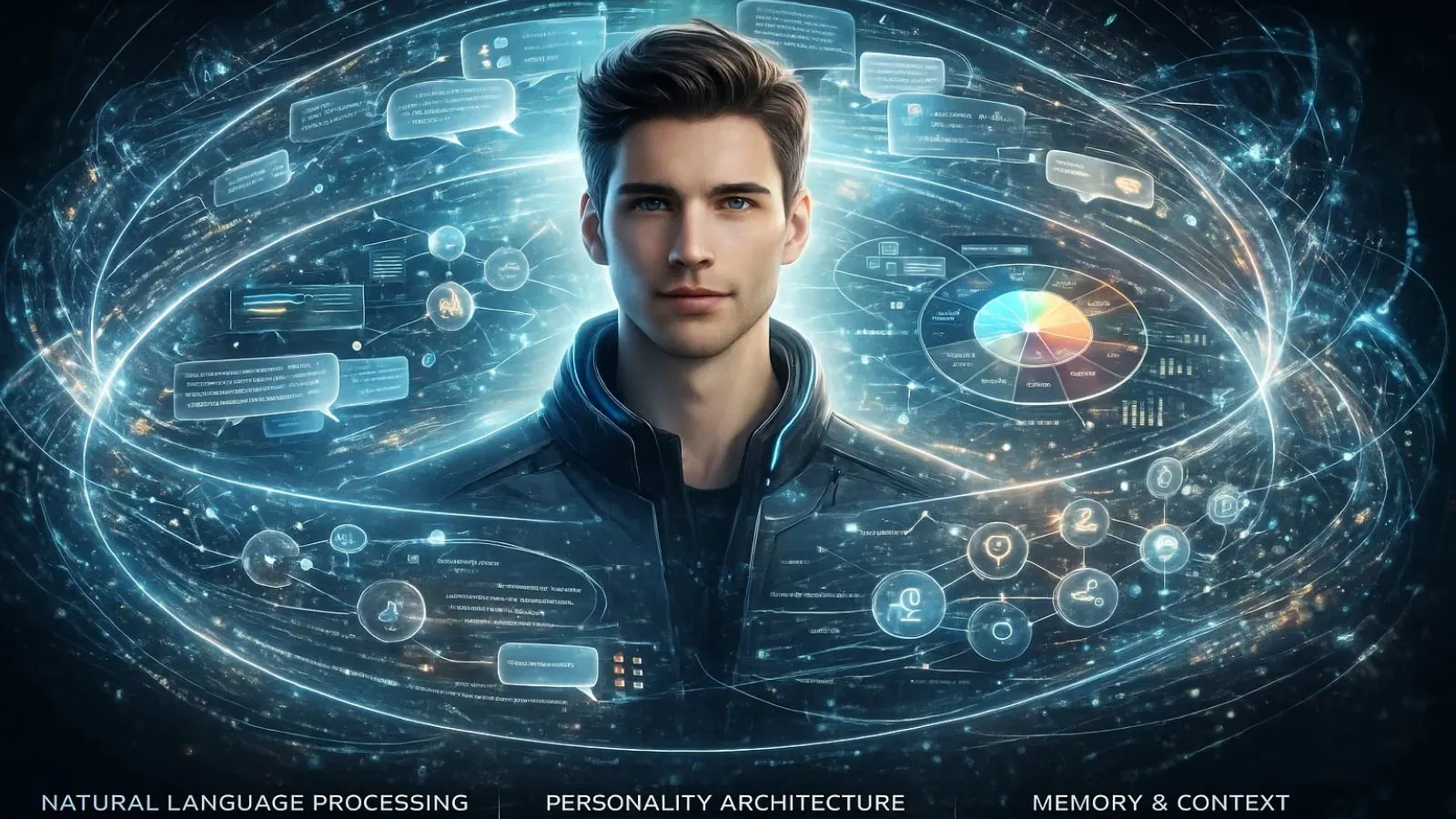
The foundation of any convincing virtual personality lies in its ability to understand and generate human-like dialogue. Natural language processing allows AI character to comprehend user intent, interpret emotional nuances, and respond appropriately.
Developers should implement robust NLP models that can handle various conversational contexts, from casual chat to complex problem-solving scenarios. Modern NLP frameworks offer pre-trained models that significantly reduce development time.
However, customization remains essential for creating unique personalities that align with your project’s requirements. Consider implementing sentiment analysis to help your virtual entities recognize and respond to user emotions effectively. This creates more meaningful interactions that feel personal rather than generic.
2. Personality Architecture Design:
Creating a believable personality requires careful planning and implementation. Each virtual entity should have a well-defined personality matrix that includes traits, values, motivations, and behavioral patterns.
This foundation guides how AI characters respond to different situations and maintains consistency across interactions. Developers should document personality attributes including communication style, humor preferences, knowledge domains, and emotional tendencies.
This documentation serves as a reference point throughout development and ensures all team members maintain character consistency. Think of this as creating a character bible that guides every interaction and response.
3. Memory and Context Management:
One of the distinguishing features of sophisticated AI characters is their ability to remember past interactions and maintain conversational context. Implementing an effective memory system allows these entities to reference previous conversations, recall user preferences, and build deeper relationships over time.
Short-term memory handles immediate conversational context, while long-term memory stores important information about users and past interactions. Balancing these systems requires careful consideration of data storage, retrieval speed, and privacy concerns. Well-designed memory systems make AI character feel more human and create genuine connections with users.
Technical Implementation Strategies:

1. Choosing the Right AI Framework:
Selecting the appropriate framework is crucial for successful implementation of AI character. Popular options include TensorFlow, PyTorch, and specialized platforms designed specifically for conversational AI. Each framework offers unique advantages in terms of performance, ease of use, and community support.
Consider your project’s specific requirements when making this decision. Factors like real-time response needs, scalability requirements, and integration capabilities should guide your choice. Many developers find success combining multiple frameworks to leverage the strengths of each. The right foundation makes future development and scaling significantly easier.
2. Dialogue Management Systems:
Effective dialogue management ensures conversations flow naturally and maintain coherence. Implement state machines or more sophisticated neural dialogue managers to track conversation progress and determine appropriate responses for AI character. These systems should handle interruptions, topic changes, and ambiguous inputs gracefully.
Modern dialogue managers can incorporate reinforcement learning to improve over time. This allows virtual entities to learn from successful interactions and adapt their strategies based on user feedback and engagement metrics. A well-designed dialogue system is the difference between frustrating interactions and delightful conversations.
3. Emotional Intelligence Implementation:
Adding emotional intelligence transforms basic conversational agents into engaging AI characters. Implement systems that detect user emotional states through text analysis, tone recognition, or even facial expressions in video-enabled applications.
These entities should then adjust their responses to provide empathetic, contextually appropriate interactions. Emotional modeling should include the character’s own emotional states, which influence behavior and response generation.
This creates more dynamic and realistic interactions that feel genuinely responsive rather than purely computational. Users connect better with AI characters that show appropriate emotional responses.
Voice and Visual Elements:

1. Voice Synthesis Technology:
For projects requiring spoken interaction, voice synthesis technology brings AI character to life. Modern text-to-speech systems offer remarkably natural-sounding voices with customizable characteristics like pitch, speed, and emotional tone. Some platforms even allow voice cloning to create truly unique vocal identities.
When implementing voice capabilities, consider the performance impact and latency requirements. Real-time voice generation must balance quality with responsiveness to maintain engaging interactions when users are talking to AI characters. The voice you choose significantly impacts how users perceive the character’s personality and credibility.
2. Character Animation and Body Language:
In visual applications, body language and facial expressions communicate as much as words. Implement animation systems that synchronize with dialogue delivery and emotional states for AI characters. Subtle gestures, eye movements, and posture changes significantly enhance believability.
Motion capture technology and procedural animation systems offer different approaches to this challenge. The choice depends on your visual fidelity requirements and technical constraints. Even simple animations can dramatically improve user engagement when properly synchronized with dialogue.
3. Multimodal Interaction Design:
The future of AI character lies in multimodal interaction, where text, voice, and visual elements work together seamlessly. Users should be able to interact through their preferred method, whether typing, speaking, or using gestures. Designing for multiple input methods increases accessibility and creates more flexible user experiences.
Consider how different interaction modes complement each other. Voice might be ideal for hands-free situations, while text allows for more thoughtful communication. Visual cues can reinforce verbal messages and add depth to character expressions.
Also Read:
Leveraging AI Tools and Platforms with SaaSTrac:
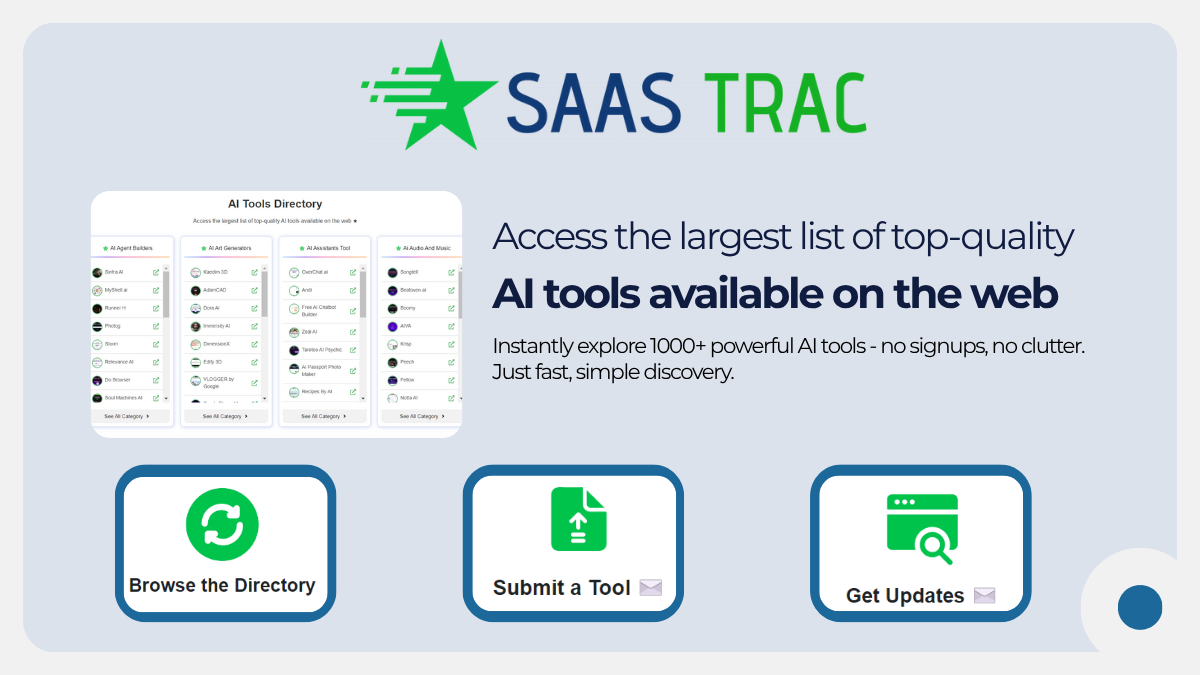
Building sophisticated virtual personalities requires access to cutting-edge AI tools and platforms. SaaSTrac AI Agents provides developers with a comprehensive directory of over 1,000 powerful AI tools specifically designed for character creation and conversational AI development.
The platform offers carefully curated listings across multiple categories including AI Character Builders, Natural Language Processing tools, Voice Synthesis platforms, and Animation frameworks.
Each tool is evaluated for performance, innovation, and practical applicability, helping developers quickly identify the right solutions for their specific needs. Whether you’re searching for an ai character generator to jumpstart your development, exploring platforms for building ai generated characters, or seeking tools that enable users to chat with ai characters, SaaSTrac simplifies the discovery process.
The platform’s categorized structure allows developers to browse by functionality, pricing model (free, freemium, paid, free trial), and use case. Beyond tool discovery, SaaSTrac features developer resources including integration guides, performance comparisons, and community reviews.
This ecosystem approach helps developers make informed decisions and accelerate their character development workflows. The platform regularly updates its listings to reflect the latest innovations, ensuring you always have access to state-of-the-art solutions for creating immersive conversational experiences.
Testing and Refinement Strategies:

1. User Testing Methodologies:
Rigorous testing is essential for creating truly engaging AI character. Conduct both qualitative and quantitative testing with diverse user groups. Observe how users interact with your characters, noting confusion points, engagement levels, and emotional responses.
Implement A/B testing to compare different personality variations, dialogue strategies, and interaction patterns. This data-driven approach helps identify what resonates most effectively with your target audience. Real user feedback is invaluable for refining character behavior and improving overall experience.
2. Performance Optimization:
These sophisticated AI character can be computationally intensive. Optimize performance through efficient model architecture, caching strategies, and asynchronous processing. Monitor response times closely, as latency directly impacts user experience and immersion.
Consider implementing progressive enhancement where core functionality works on lower-powered devices while more advanced features activate on capable hardware. Performance optimization ensures your AI character remain accessible to the widest possible audience.
3. Continuous Learning Implementation:
The most compelling AI character evolve over time. Implement feedback loops that allow your characters to learn from interactions and improve their responses. This requires careful balance between maintaining core personality traits and adapting to user preferences.
Use reinforcement learning techniques to reward successful interactions and discourage ineffective patterns. Regular model retraining based on accumulated interaction data keeps AI character fresh and relevant. This ongoing improvement process ensures characters don’t become stale or predictable.
Ethical Considerations and Best Practices:

1. Transparency and User Expectations:
Users should clearly understand they’re interacting with an AI-powered entity. Transparency builds trust and sets appropriate expectations. Avoid designing AI character that deliberately deceive users about their artificial nature.
Implement clear disclosures and consider adding visual or textual indicators that identify automated interactions. This ethical approach protects users and your project from potential misunderstandings. Honest communication about AI capabilities prevents disappointment and maintains credibility.
2. Privacy and Data Protection:
AI character often collect significant user data to personalize interactions. Implement robust privacy protections including data encryption, secure storage, and clear consent mechanisms. Users should understand what data is collected and how it’s used.
Comply with relevant regulations like GDPR, CCPA, and other data protection laws. Design your systems with privacy-by-default principles, collecting only essential information and providing users with data control options. Privacy protection is not optional,it’s a fundamental requirement.
3. Bias and Fairness:
AI systems can inadvertently perpetuate biases present in training data. Actively test for and mitigate biases related to gender, race, age, and other characteristics in your AI characters. Diverse development teams and inclusive testing groups help identify potential issues before deployment.
Regular audits of character responses across different demographic groups ensure fair and respectful treatment of all users. Building inclusive AI character requires conscious effort and ongoing vigilance.
Real-World Applications and Use Cases:

Gaming and Entertainment
AI character are transforming gaming experiences by providing dynamic companions, challenging opponents, and immersive storytelling. Modern games use these entities to create memorable experiences that adapt to player choices and behavior.
Education and Training
Educational applications leverage AI character as tutors, mentors, and practice partners. These virtual instructors can adapt teaching methods to individual learning styles and provide patient, personalized guidance.
Customer Service and Support
Businesses deploy AI character as customer service representatives that handle inquiries, solve problems, and provide support around the clock. These virtual agents reduce operational costs while maintaining service quality.
Healthcare and Therapy
Mental health applications use AI character as therapeutic companions that provide support, track mood patterns, and deliver evidence-based interventions. These applications require especially careful ethical consideration and professional oversight.
Conclusion:
Creating realistic AI characters represents one of the most exciting challenges in modern software development. By combining robust technical implementation, thoughtful personality design, and ongoing refinement, developers can craft engaging characters that captivate users and elevate digital experiences. The key to success lies in understanding both the technical foundations and human psychology that makes interactions feel authentic. As AI technologies continue advancing, the possibilities for creating increasingly sophisticated virtual entities will only expand.
FAQ’s:
Q1: What programming languages are best for building AI characters?
Ans: Python remains the most popular choice due to its extensive AI libraries and frameworks. JavaScript is excellent for web-based implementations, while C++ offers performance advantages for resource-intensive applications.
Q2: How long does it typically take to develop a sophisticated AI character?
Ans: Development time varies significantly based on complexity. Basic implementations might take a few weeks, while highly sophisticated personalities can require several months. Using existing frameworks significantly reduces development time.
Q3: Can small teams create compelling AI characters without large budgets?
Ans: Absolutely. Many powerful open-source frameworks and pre-trained models are freely available. Cloud-based AI services offer pay-as-you-go pricing that makes advanced capabilities accessible to small teams.