
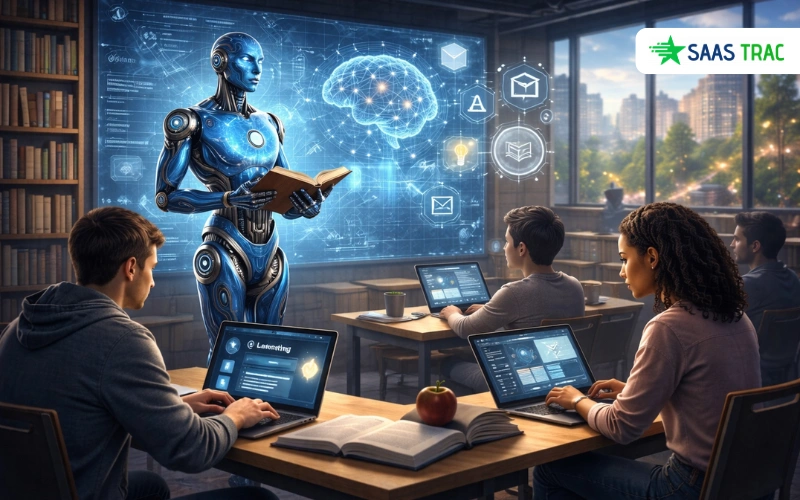
AI in higher education is no longer a future concept. It is already reshaping how universities teach, assess, and operate daily. Walk into a classroom or review an assignment, and the shift is hard to miss.
Students are using AI to draft ideas, summarize lectures, and solve problems faster. At the same time, faculty are rethinking how they teach and evaluate work. Institutions are still catching up, trying to build policies while adoption continues to grow.
This creates a unique tension. The technology is moving quickly, but clarity around its use is still evolving. That is exactly why this topic matters now.
In the sections ahead, we’ll break down what AI in higher education actually means, how it is being used, where the risks lie, and what practical steps institutions can take moving forward.
Quick Answer
AI in higher education refers to the use of artificial intelligence tools, including generative AI, to support teaching, research, and administrative tasks. It enables personalized learning and faster workflows, but also raises concerns around academic integrity, data privacy, and equal access to resources.
What Is AI In Higher Education?
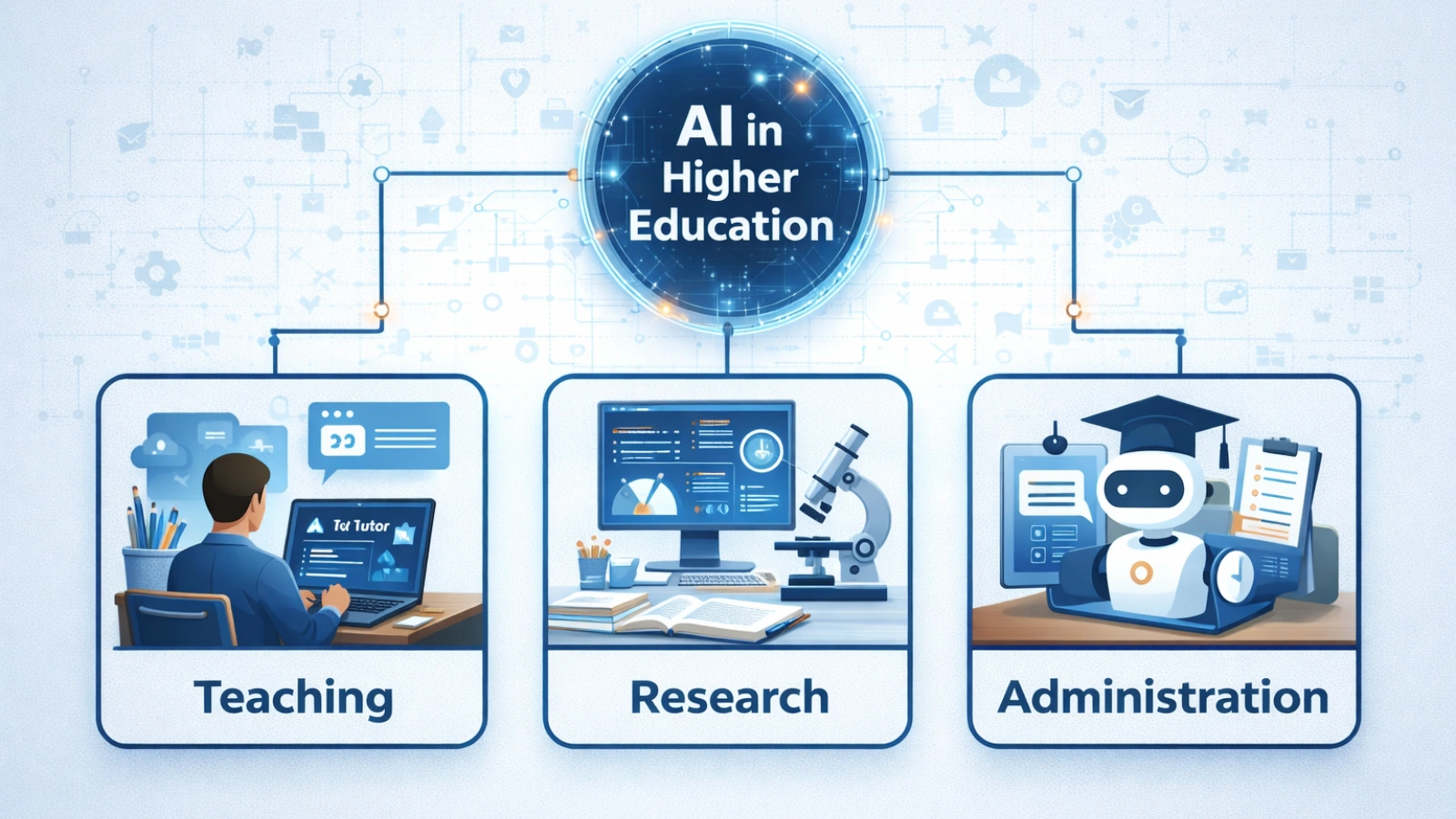
AI in higher education is no longer a future concept. The rise of generative AI in higher education is already reshaping how universities teach, assess, and operate daily. Universities are using intelligent systems to improve how learning happens, how research is conducted, and how operations are managed.
In classrooms, AI appears as tutoring systems, feedback tools, and content generators. In research, it helps analyze data and organize information. On the administrative side, it powers chatbots and predictive systems.
What makes this change significant is its reach. Students, faculty, and administrators all interact with AI in different ways. That makes adoption powerful, but also difficult to manage consistently.
What Makes Generative AI Different?
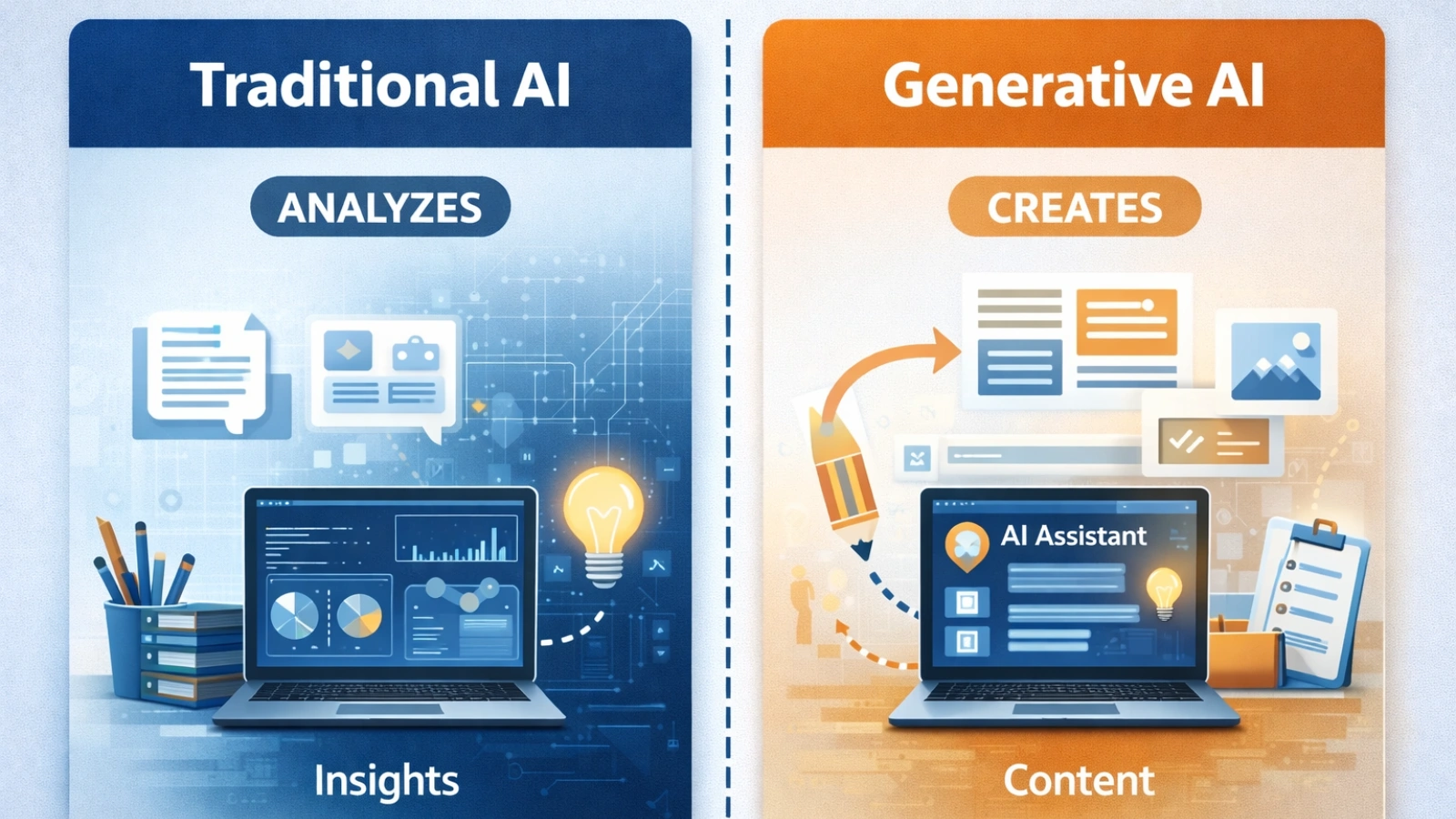
Most earlier AI systems focused on analyzing information. Generative AI takes a different approach. It creates new content based on prompts, whether that is text, code, or summaries.
Tools like ChatGPT, Microsoft Copilot, and Google Gemini are widely used examples.
This shift is central to the broader generative AI higher education landscape, where students are no longer just consuming information but actively co-creating it. They are working alongside AI to produce it, which changes how learning needs to be designed.
How AI Is Transforming Higher Education
Teaching And Learning
Learning environments are becoming more responsive. AI tools can adjust content based on student performance, offering support when it is needed most.
Some systems act like tutors, guiding students step by step. Others provide instant feedback, reducing the delay between effort and improvement.
That said, faster feedback is not always better. When everything is immediate, students may skip deeper thinking. The way these tools are used matters just as much as the tools themselves.
Research And Knowledge Creation
Research is becoming more efficient in subtle ways. Tasks like reviewing literature or organizing data can now be done much faster.
AI tools help identify patterns across large datasets. They also assist with early drafts, giving researchers a starting point rather than a blank page.
This does not reduce the need for expertise. It simply shifts the focus. Researchers spend less time on repetitive tasks and more time on interpretation and insight.
Administration And Operations
AI in higher education is also changing how universities function behind the scenes. Chatbots handle common student questions, freeing up staff for more complex issues.
Predictive systems can identify students who may need support before problems escalate. This allows institutions to act earlier.
As efficiency improves, transparency becomes more important. Students and faculty need to understand how decisions are being made and what data is being used.
Examples of Generative AI in Education
NotebookLM
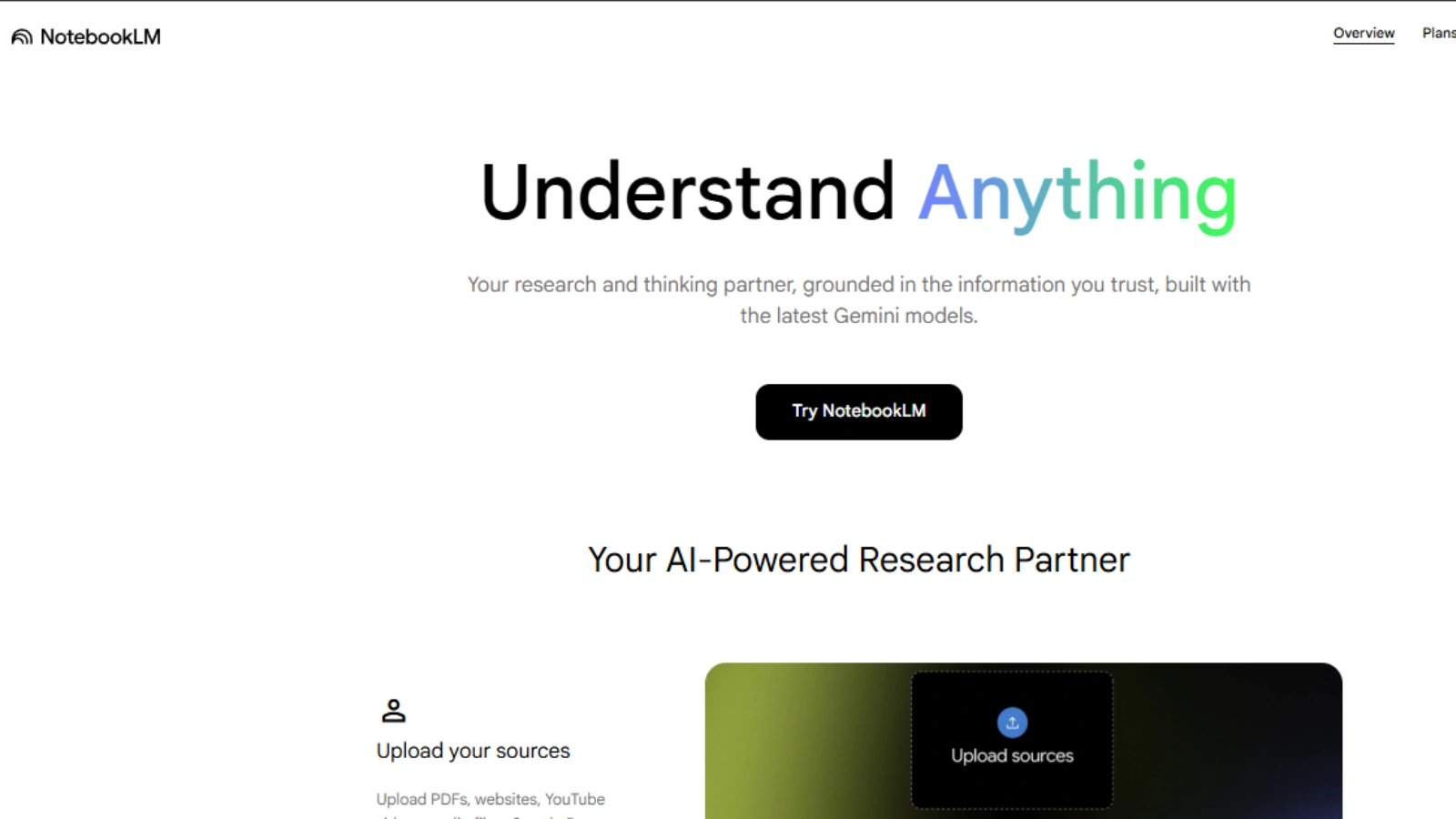
NotebookLM helps users manage and understand large amounts of information, especially in academic and research settings. It works with uploaded documents to generate structured insights and summaries.
What makes it useful is its ability to go beyond basic summaries. Users can ask questions, explore ideas, and get explanations based on their own content, making learning more interactive.
Over time, it supports better comprehension by helping users connect concepts and navigate complex material more efficiently.
Wolfram Alpha
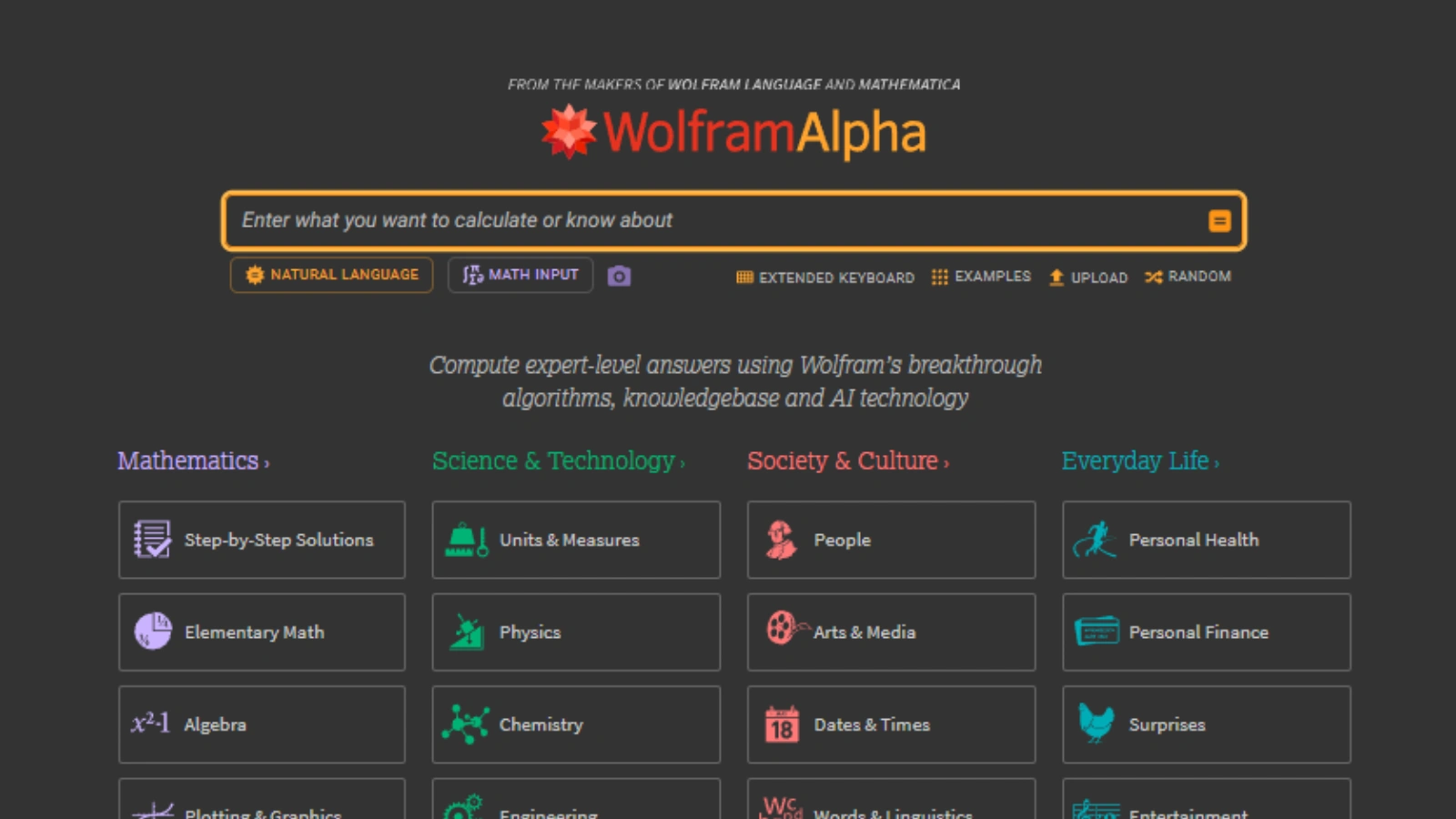
Wolfram Alpha focuses on solving complex academic problems, especially in math, science, and data analysis. It provides step-by-step solutions and clear explanations, making difficult concepts easier to understand.
What makes it useful is its precision. Instead of giving general answers, it computes results based on structured data, helping users work through problems logically.
Over time, it supports deeper learning by improving problem-solving skills and building confidence in handling complex subjects.
Quizlet
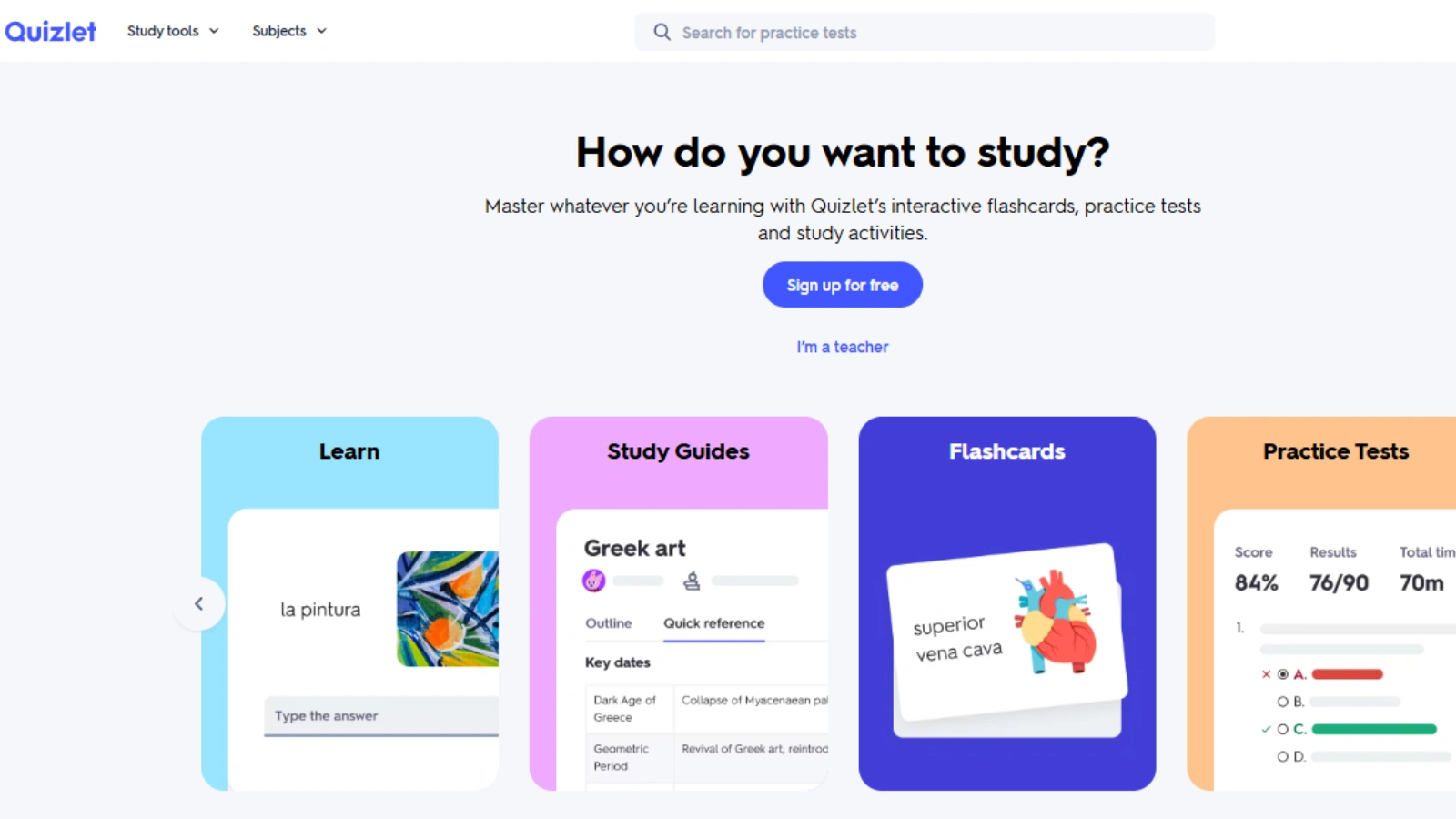
Quizlet focuses on making studying more interactive and accessible through tools like flashcards, quizzes, and practice tests. It helps students review concepts in a structured and engaging way.
What makes it useful is how it adapts to different learning styles. Students can study at their own pace while getting instant feedback, which improves retention.
Over time, it builds consistent study habits and helps reinforce knowledge through repeated practice.
CollegeVine
CollegeVine focuses on helping students navigate college admissions with personalized guidance and data-driven insights. It offers tools to evaluate profiles, explore colleges, and improve application strategies.
What makes it useful is its tailored approach. Instead of generic advice, it provides recommendations based on a student’s background and goals.
Over time, it helps students make more informed decisions and approach the admissions process with greater clarity and confidence.
Benefits of AI in Higher Education
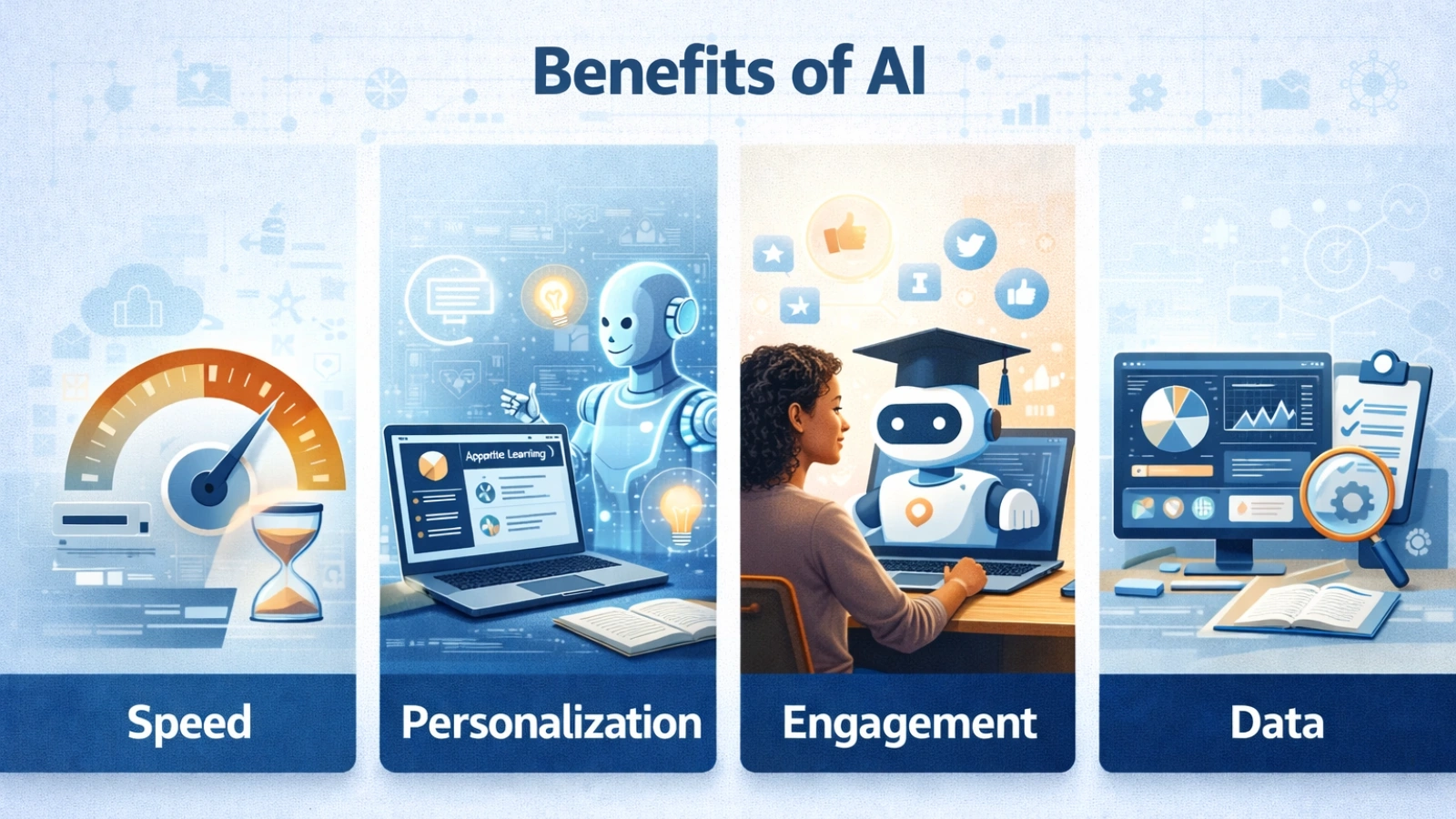
One of the most visible benefits is efficiency. Tasks that once took hours can now be completed much faster.
Beyond speed, personalization improves. Students receive support tailored to their progress and learning style.
Engagement also increases. Interactive tools make learning more dynamic and responsive.
For institutions, better data leads to better decisions. Patterns become clearer, and interventions can happen earlier.
Challenges and Risks of AI in Higher Education
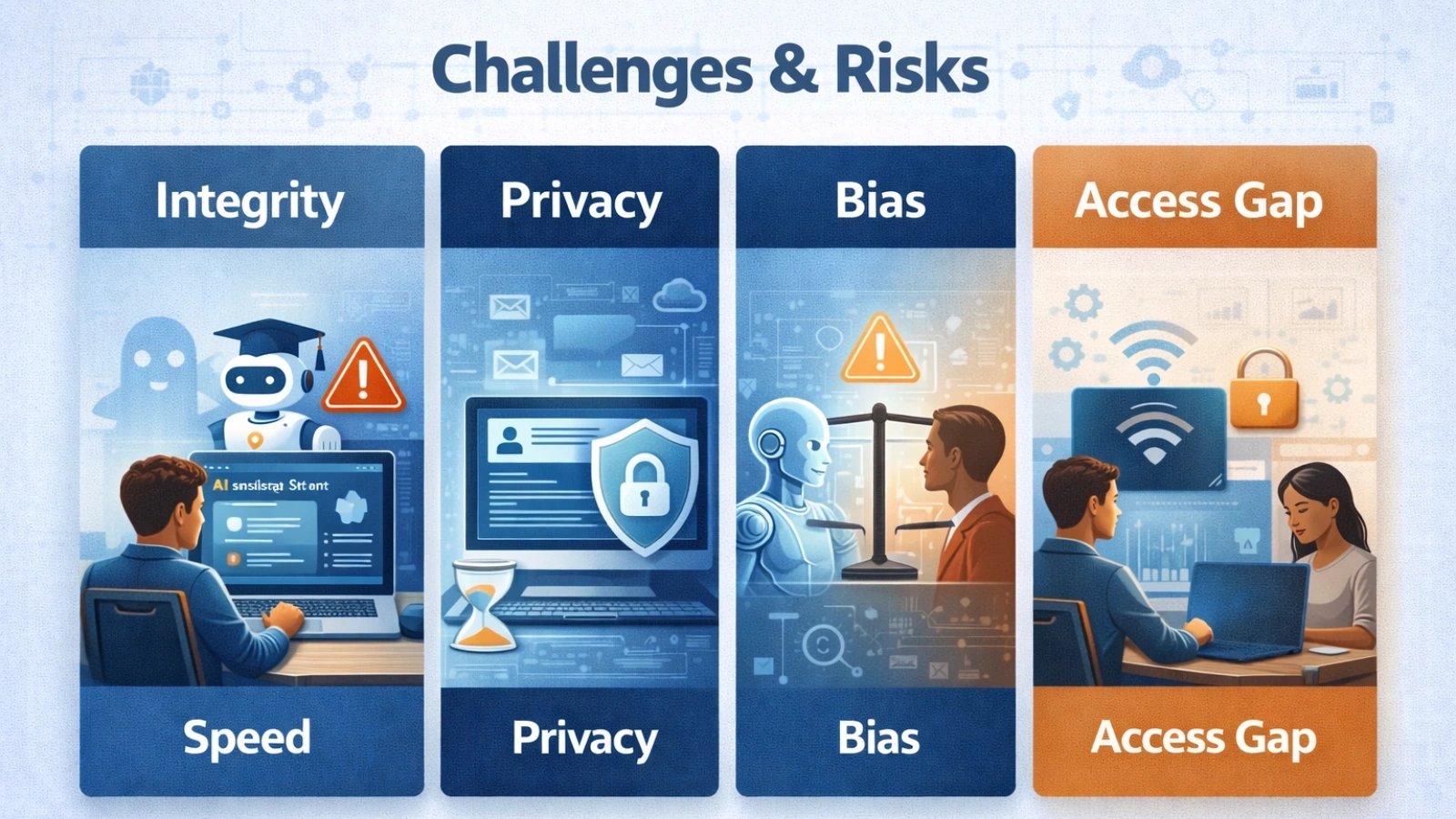
Academic Integrity and Assessment
AI makes it easier to generate assignments quickly. This raises questions about originality and fairness.
Detection tools are improving, but they are not always reliable. The bigger issue is how assessment methods need to evolve.
Data Privacy and Security
AI systems depend on data, often including student behavior and academic records.
Without strong safeguards, this creates risks. Institutions must think carefully about how data is collected and used.
Bias and Ethical Concerns
AI systems learn from existing data. If that data contains bias, the results can reflect it.
This becomes especially important in grading or decision-making processes. Fairness cannot be assumed automatically.
Equity and the AI Divide
Access to AI tools is not equal. Some students rely on free versions, while others have access to advanced tools.
This creates a gap in learning opportunities. Addressing it requires more than just adopting technology. It requires thoughtful policy decisions.
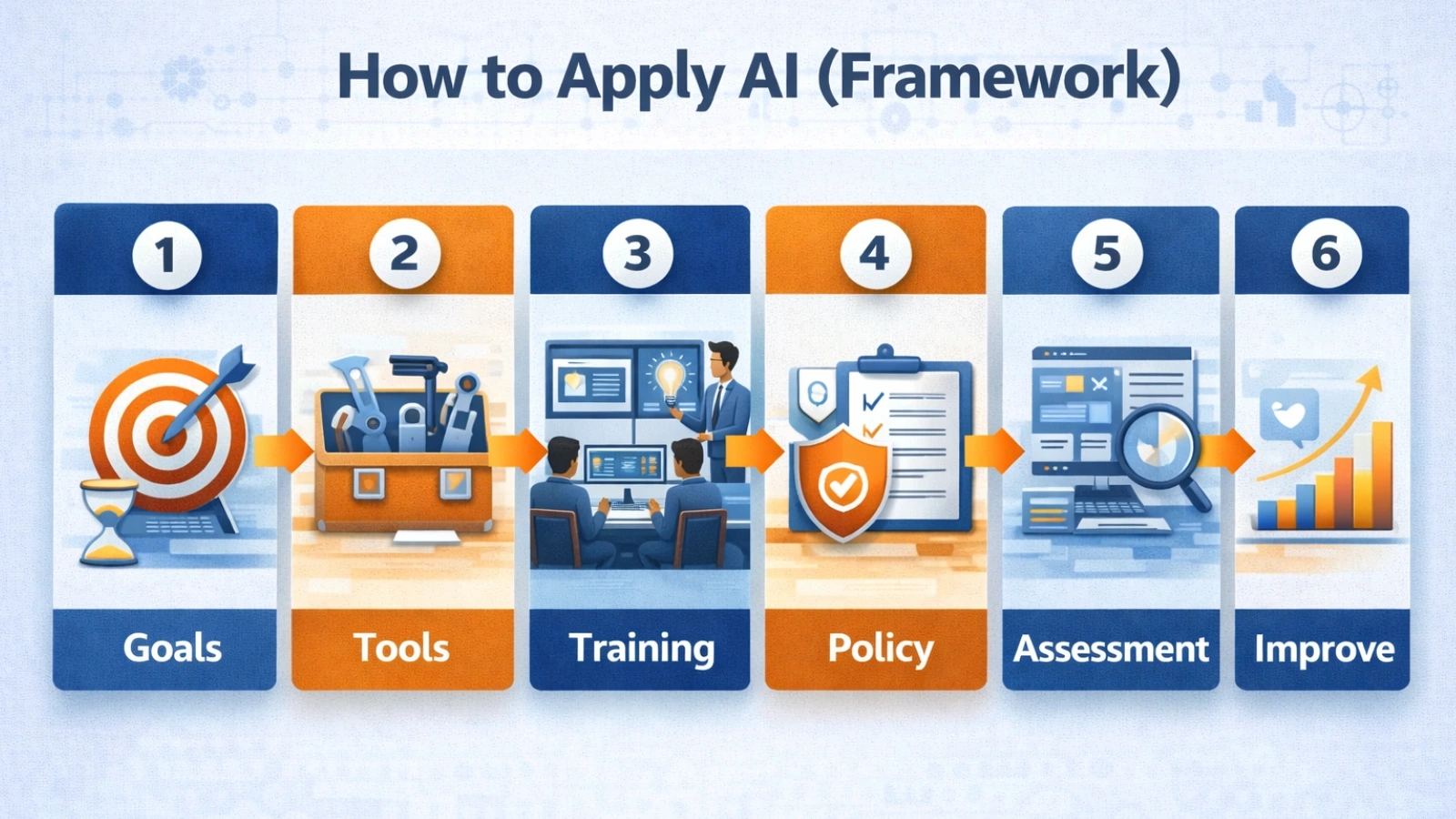
How to Apply AI in Higher Education (Practical Framework)
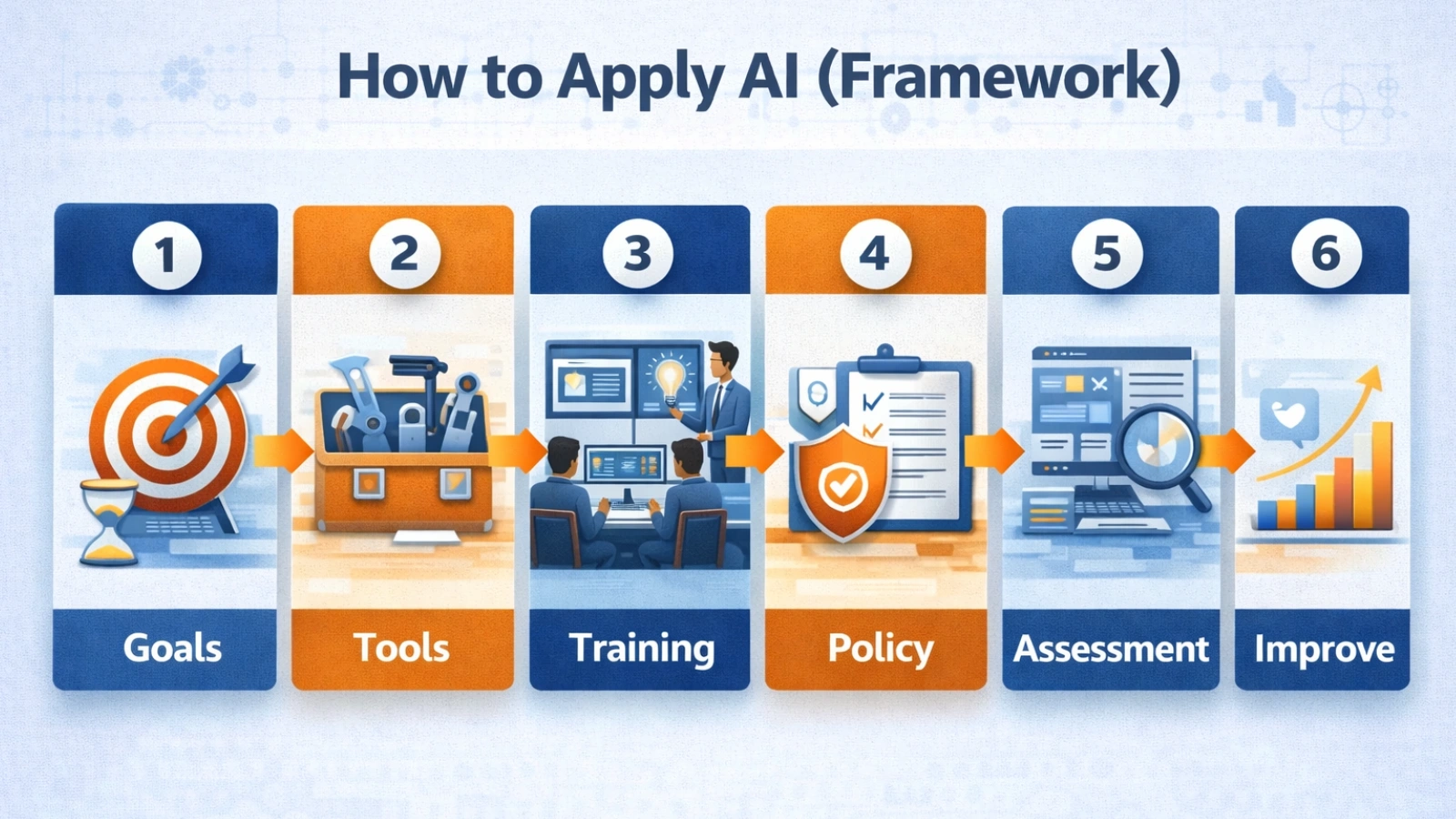
Adopting AI works best when approached systematically rather than reactively.
Step-by-Step Institutional Framework
- Define clear goals for AI use
- Choose tools that match those goals
- Train faculty and staff
- Create clear policies and guidelines
- Redesign assessments
- Review outcomes and improve over time
Faculty-Level Implementation
Change often begins at the classroom level. Small adjustments can have a significant impact.
Assignments can focus more on process than final output. AI can be used as a support tool instead of a shortcut.
Students also need guidance. Clear expectations help them use AI responsibly rather than depend on it.
Common Mistakes or Misinterpretations
A common mistake is treating AI in higher education as a shortcut. This often leads to weaker learning outcomes.
Some institutions delay policy development. Without clear guidelines, confusion increases for both students and faculty.
Over-reliance on AI outputs can limit critical thinking. Tools should support learning, not replace it.
Assessment is another area that is often overlooked. Traditional formats do not always work in an AI-driven environment.
Access differences also matter. Assuming equal access creates gaps that affect learning outcomes.
Advanced Insights and Strategic Perspective
The Shift in Faculty Roles
Teaching is changing. Faculty are moving from delivering content to guiding learning.
This requires a different approach. Mentorship and critical thinking become more important than simply sharing information.
Assessment Redesign in the AI Era
Traditional exams are becoming less effective. New formats are emerging in response.
Oral assessments, project-based work, and process documentation are gaining traction. These methods focus more on understanding than output.
Global Adoption Trends
AI adoption varies across regions. Policies, infrastructure, and cultural attitudes all influence how it is used.
This creates different approaches rather than a single global model. Institutions can learn from these variations.
The Future of AI in Higher Education
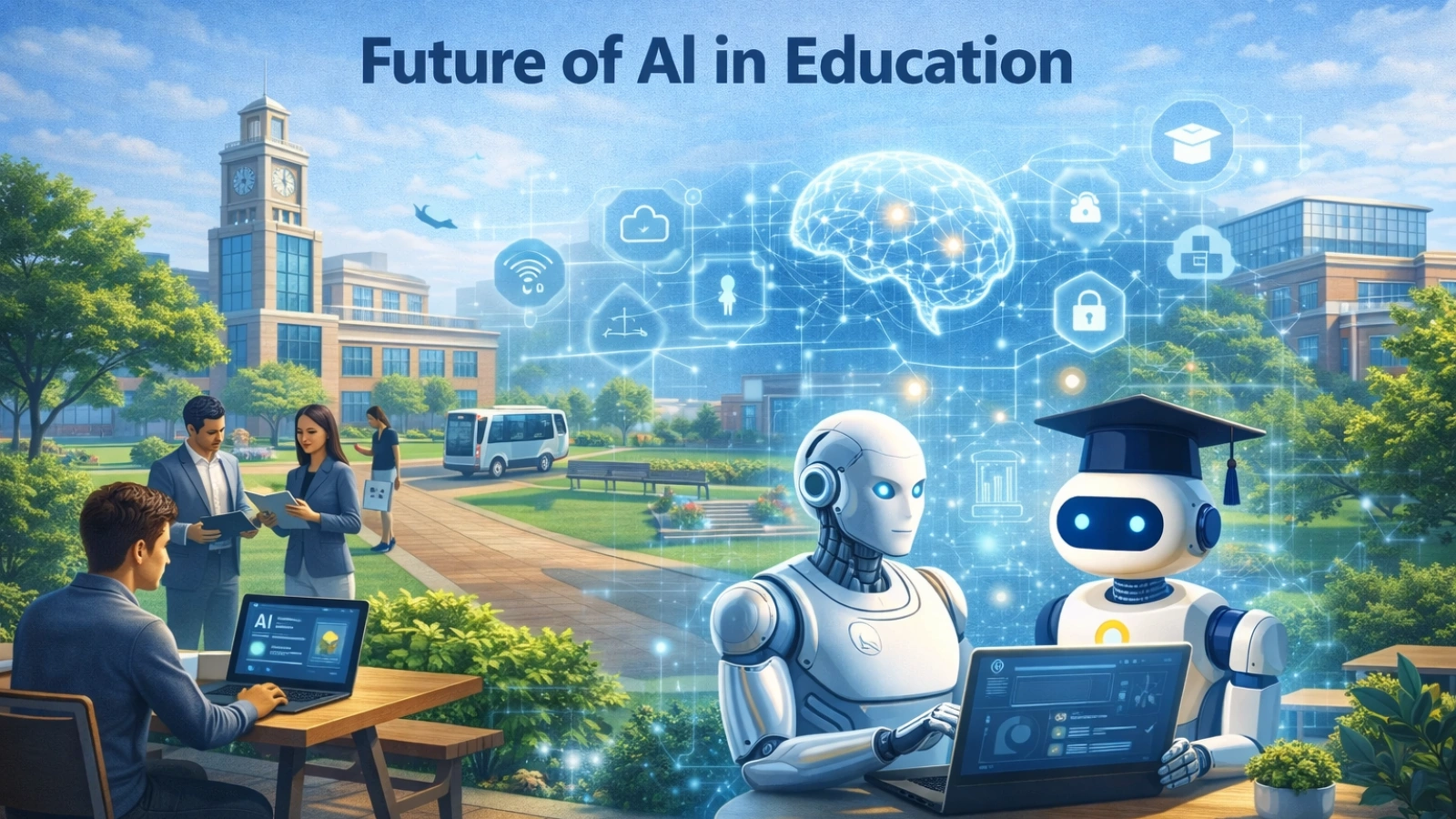
AI will continue to integrate into every part of higher education. It will not replace learning but reshape how it happens.
Institutions that adapt thoughtfully will benefit the most. The focus will shift toward collaboration between humans and AI.
Conclusion
AI in higher education is already reshaping higher education at multiple levels. Classrooms, research, and operations are all evolving in response.
The real question is not whether to adopt AI. It is how to use it in a way that strengthens learning rather than weakens it.
Institutions that move from experimentation to clear action will stand out. Thoughtful implementation will make the difference.
The future of higher education depends on how well human expertise and AI capabilities work together.
FAQ Section
1. What is AI in higher education?
AI in higher education refers to using artificial intelligence tools to improve teaching, learning, research, and university operations.
2. What are the benefits of AI in higher education?
AI improves efficiency, enables personalized learning, and helps institutions make better data-driven decisions.
3. What are the challenges of AI in higher education?
Key challenges include academic integrity, data privacy, bias in AI systems, and unequal access to technology.
4. How is generative AI used in higher education?
Generative AI is used for content creation, lecture summaries, research assistance, and automated feedback in classrooms.
5. Can AI improve student learning in universities?
Yes, AI supports personalized learning, instant feedback, and adaptive content that helps students learn more effectively.