


AI agents in healthcare are changing how work gets done behind the scenes. Most clinicians don’t expect to spend hours on paperwork, yet documentation often takes up a large part of their day. Add to that growing patient demand and limited staff, and the pressure becomes hard to ignore.
What makes these systems different is their ability to act, not just assist. They can manage multi-step workflows, handle routine processes, and keep things moving without constant supervision.
Because of this, everyday operations are starting to look very different. Tasks that once slowed teams down are becoming faster and more manageable.
Quick Answer
AI agents in healthcare are autonomous systems that analyze data, make decisions, and carry out tasks across multiple steps. Unlike chatbots that respond to prompts, they actively work toward goals, connect with healthcare systems, and help streamline clinical and administrative processes.
What Are AI Agents in Healthcare?
At a simple level, AI agents in healthcare are designed to act, not just assist. They take in information, interpret it, and move toward a clear objective without waiting for constant input.
Many healthcare tools already use AI, but most still rely on human direction at every step. Agents reduce that dependency. They can continue working even when no one is actively guiding them.
It helps to think of automation as a spectrum. Rule-based systems follow fixed instructions and cannot adjust. AI copilots respond to prompts but pause after each step. AI agents sit at the far end, handling tasks independently and adapting as they go.
This shift explains why AI agents in healthcare are gaining attention now. The complexity of modern healthcare requires systems that can respond in real time, not just follow scripts.
How Do AI Agents Actually Work?
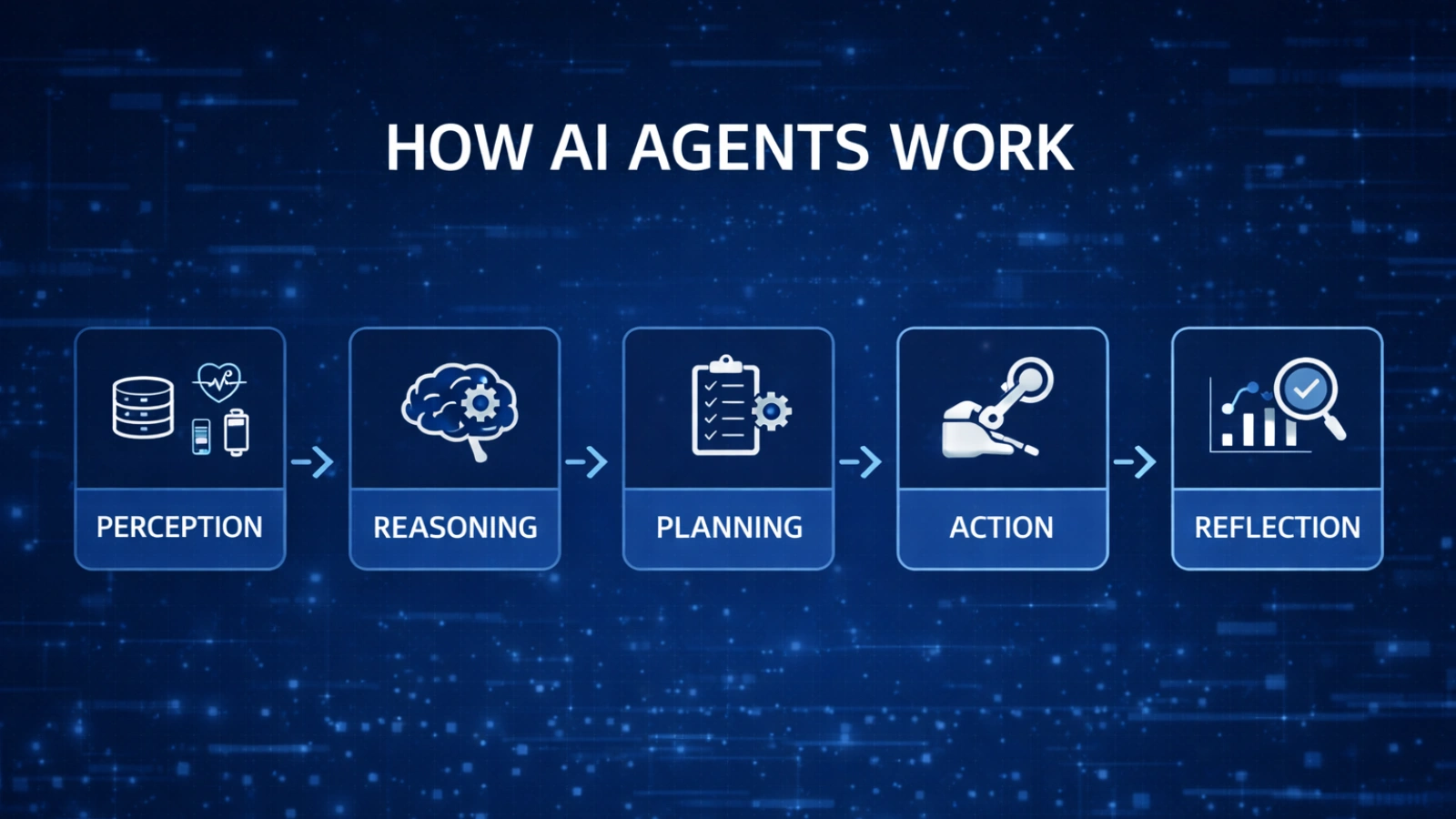
Most AI agents in healthcare follow a simple but effective cycle. Once you see the pattern, it becomes easier to understand how they operate.
They start with perception. This means collecting data from sources like medical records, lab results, or wearable devices.
Then comes reasoning. The system analyzes what it sees using patterns, guidelines, and past data.
Next is planning. The agent breaks a goal into smaller actions and decides the order in which to complete them.
After that, it takes action. This might involve updating records, sending alerts, or triggering other systems.
Finally, there’s reflection. The system reviews outcomes and adjusts its approach over time.
Imagine a patient showing early signs of sepsis. The agent detects unusual vitals, connects them with lab data, flags the risk, alerts the care team, and logs everything. Each step flows into the next without repeated human input.
Key Use Cases of AI Agents in the Healthcare Industry
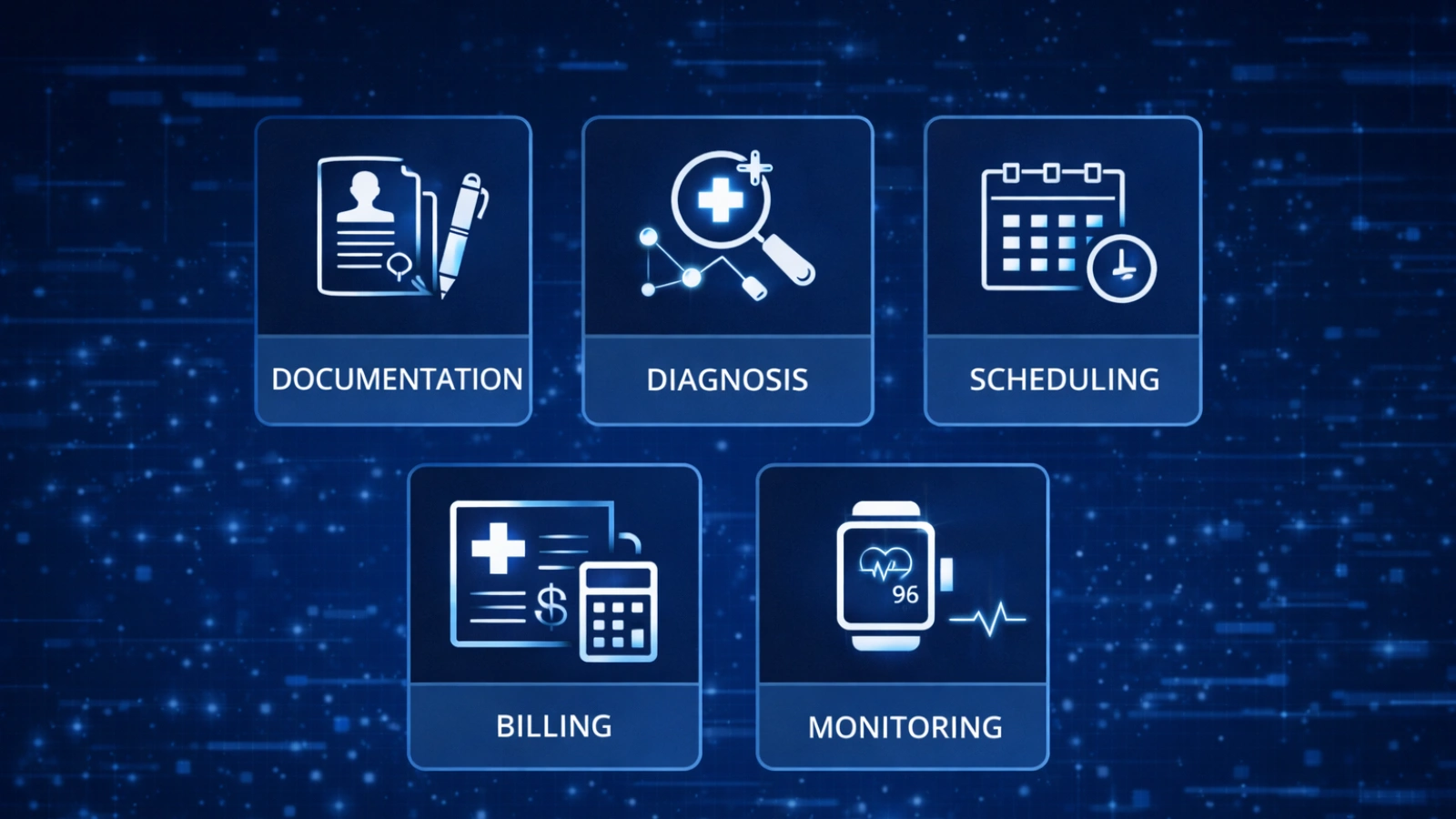
AI agents in healthcare industry applications span nearly every stage of the care journey. They are not limited to one task or department. Instead, they support both clinical and operational workflows.
Clinical Documentation and EHR Automation
Documentation has always been time-consuming. Many clinicians spend hours updating records after patient visits.
AI agents in healthcare now handle much of this work as it happens. They listen to conversations and turn them into structured notes in real time.
These systems go beyond transcription. They organize information, apply coding, and sync directly with EHR platforms. The result is less screen time and more patient interaction.
Diagnostic Support and Medical Imaging Analysis
Diagnosis often requires piecing together multiple data points. AI agents in healthcare bring those pieces together in one place.
They analyze imaging, lab results, and patient history at the same time. This helps surface patterns that might be easy to miss otherwise.
In some cases, these systems match or exceed human accuracy for specific conditions. Even so, they are designed to support clinicians, not replace them.
Patient Scheduling, Engagement, and Intake
Scheduling may seem simple, but it often involves multiple steps and frequent changes. This creates delays and frustration for both staff and patients.
AI agents in healthcare simplify this process. They manage bookings, send reminders, and handle rescheduling without manual effort.
They also assist with intake by collecting information before visits. Over time, they learn patient preferences and improve communication, which helps reduce no-shows.
Insurance Verification, Billing, and Claims Processing
Billing is one of the most complex parts of healthcare operations. Small errors can lead to denied claims or delayed payments.
AI agents in healthcare break this process into smaller tasks. One checks eligibility, another handles coding, and another manages claim submission.
Working together, they create a smoother and more reliable workflow. For many organizations, this is where the fastest improvements appear.
Remote Patient Monitoring
Care is no longer limited to hospitals. Many patients are monitored at home using connected devices.
AI agents in healthcare track this data continuously. They look for changes that might signal a problem and alert clinicians when needed.
This approach is especially useful for chronic conditions. Instead of reacting to emergencies, care teams can step in earlier and prevent complications.
Drug Discovery and Clinical Research Acceleration
Research has always been time-intensive. Sorting through data, testing ideas, and analyzing results can take years.
AI agents in healthcare help speed up these steps. They analyze large datasets, suggest potential compounds, and simulate outcomes.
In research environments, they also automate tasks like literature review. This allows teams to focus more on decision-making and less on repetitive work.
Benefits of AI Agents in Healthcare
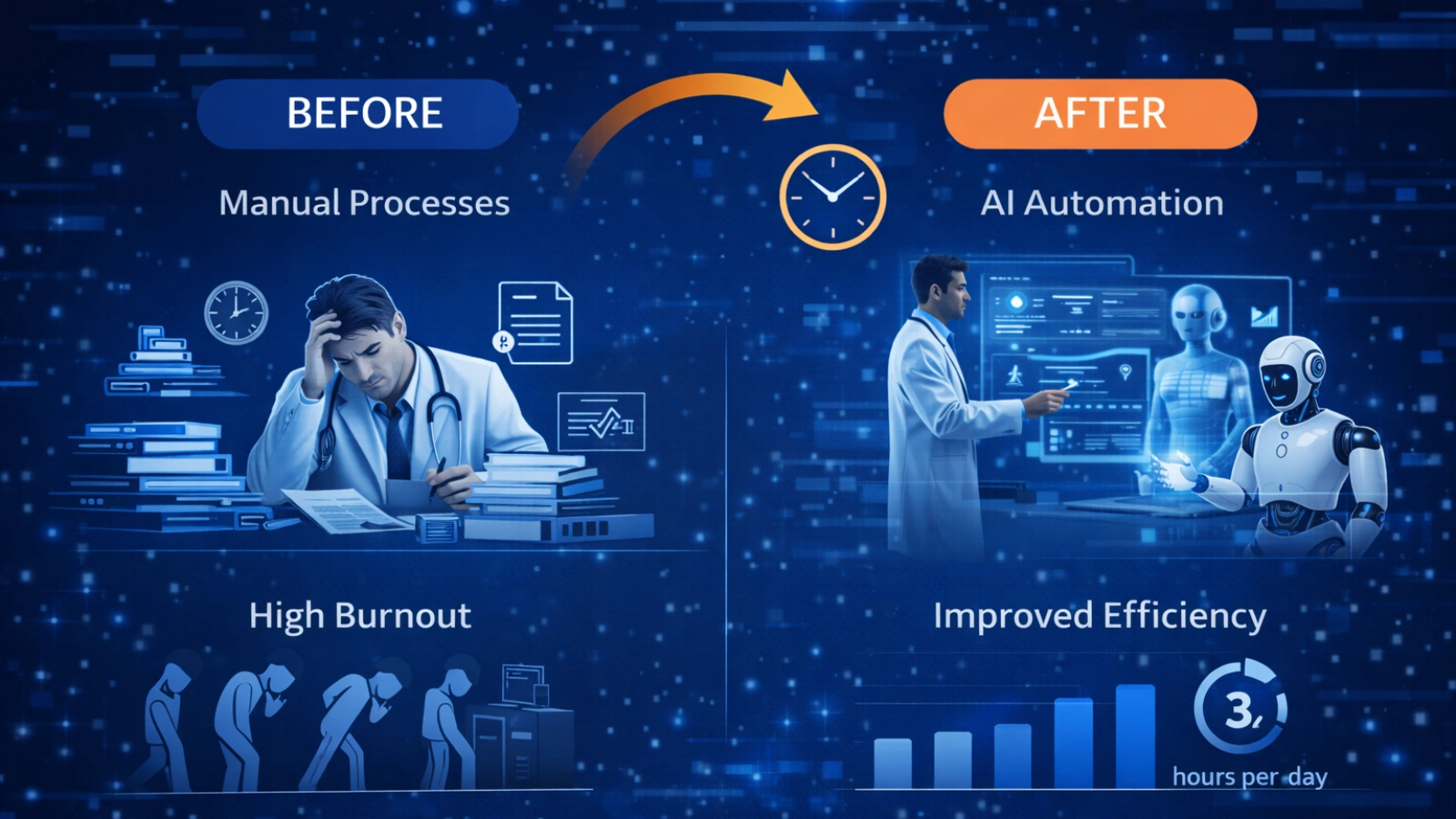
The benefits of AI agents in healthcare become clearer when you look at how they impact different areas.
Clinical Benefits
AI agents in healthcare improve accuracy by combining multiple data sources. This leads to better-informed decisions and more personalized care.
They also support early detection. Continuous monitoring helps identify risks before they become serious issues.
Operational Benefits
Efficiency improves across everyday workflows. Tasks like documentation, scheduling, and billing take less time and effort.
This reduces delays and allows staff to focus on higher-value work. Over time, operations become more consistent and easier to manage.
Strategic and Financial Benefits
AI agents in healthcare help organizations scale without adding staff at the same rate. This is especially important as demand continues to grow.
They also reduce burnout by removing repetitive tasks. Even small improvements can have a meaningful financial impact in a low-margin environment.
AI Agents in Healthcare: Real-World Tools in Use Today
Seeing real tools in action makes the concept easier to grasp. These examples show how AI agents in healthcare are already being used across different parts of the care journey.
Vibe Saúde
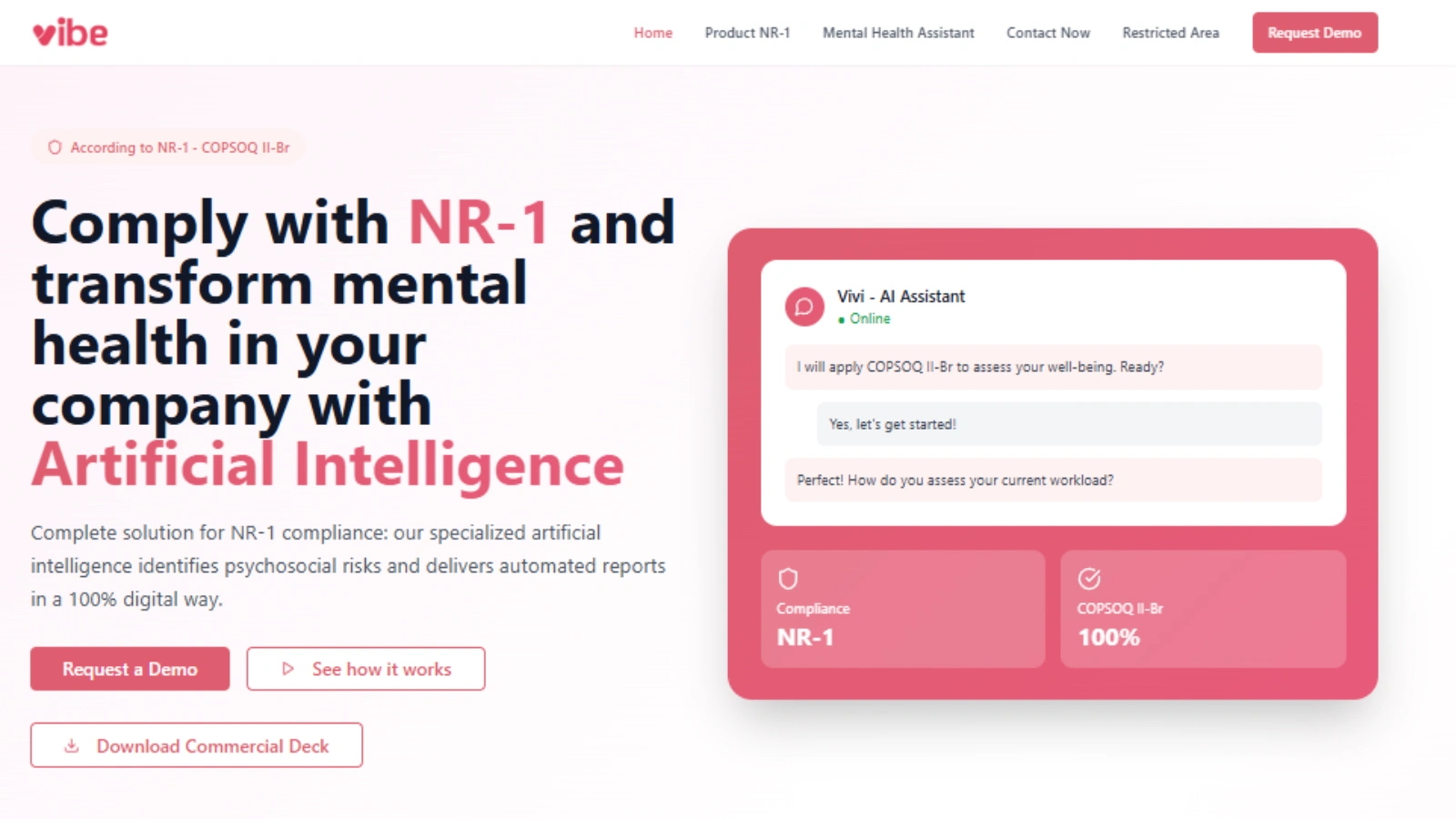
Vibe Saúde focuses on workplace mental health, an area that often goes unnoticed until problems escalate. Its AI assistant engages employees in structured conversations, helping them reflect on stress, workload, and emotional well-being.
What makes it useful is how it goes beyond simple check-ins. The system tracks patterns over time and identifies early signs of burnout or distress. This allows organizations to act before issues become serious.
It also supports compliance requirements, which is especially important in regions where companies must monitor psychosocial risks. For HR teams, it becomes both a support tool and a data-driven decision aid.
Calorie Tracker Buddy
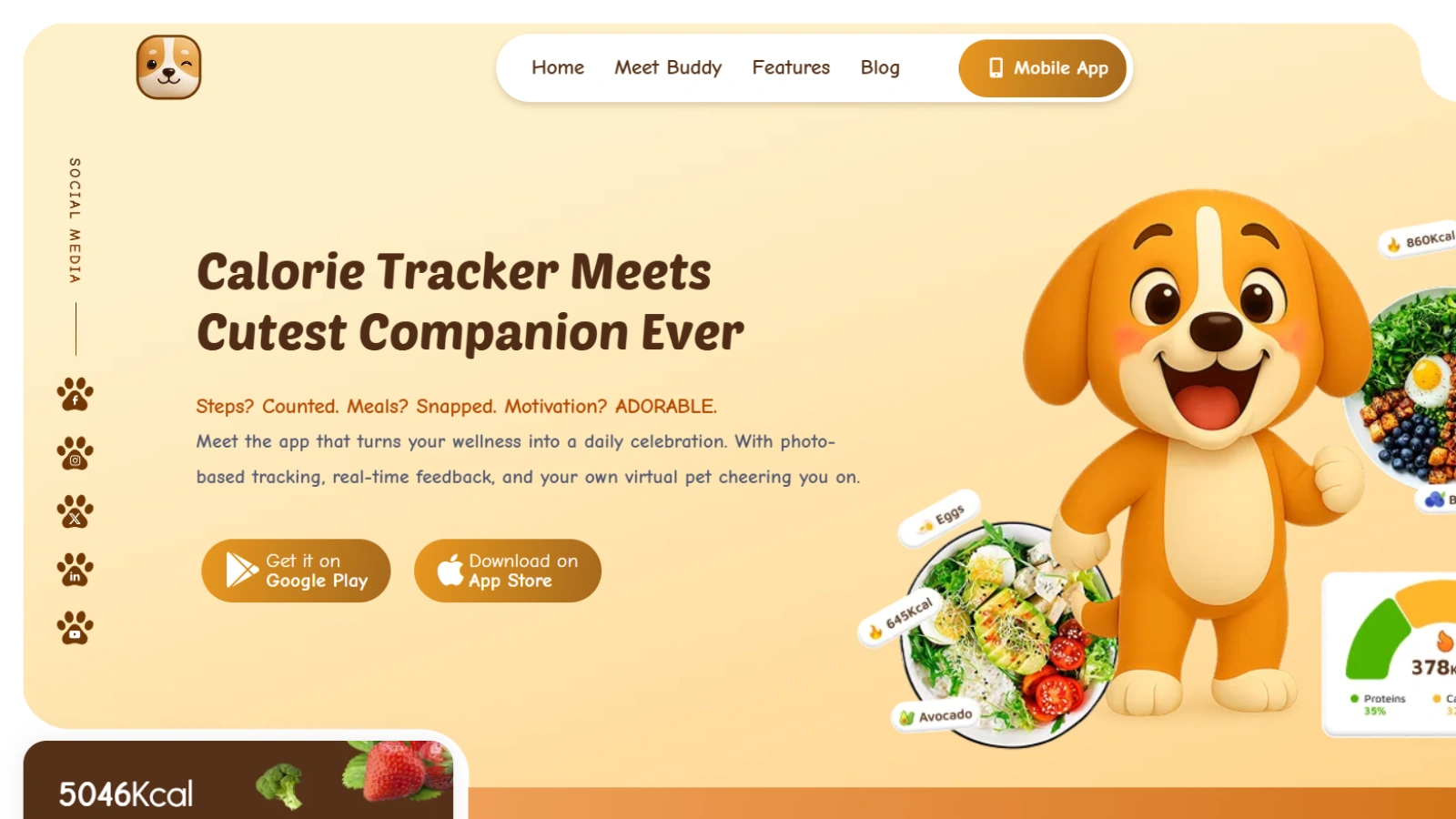
Calorie Tracker Buddy takes a preventive approach to health by focusing on everyday habits. Instead of manual logging, users can simply take a photo of their food, and the AI estimates calories and nutrients instantly.
This small shift removes friction. When tracking becomes easier, people are more likely to stay consistent. Over time, that consistency leads to better awareness of eating patterns.
The tool also adapts to user behavior. It offers suggestions based on past choices, helping users make gradual improvements rather than drastic changes. In the long run, this kind of daily guidance can reduce the risk of chronic conditions.
Woebot Health
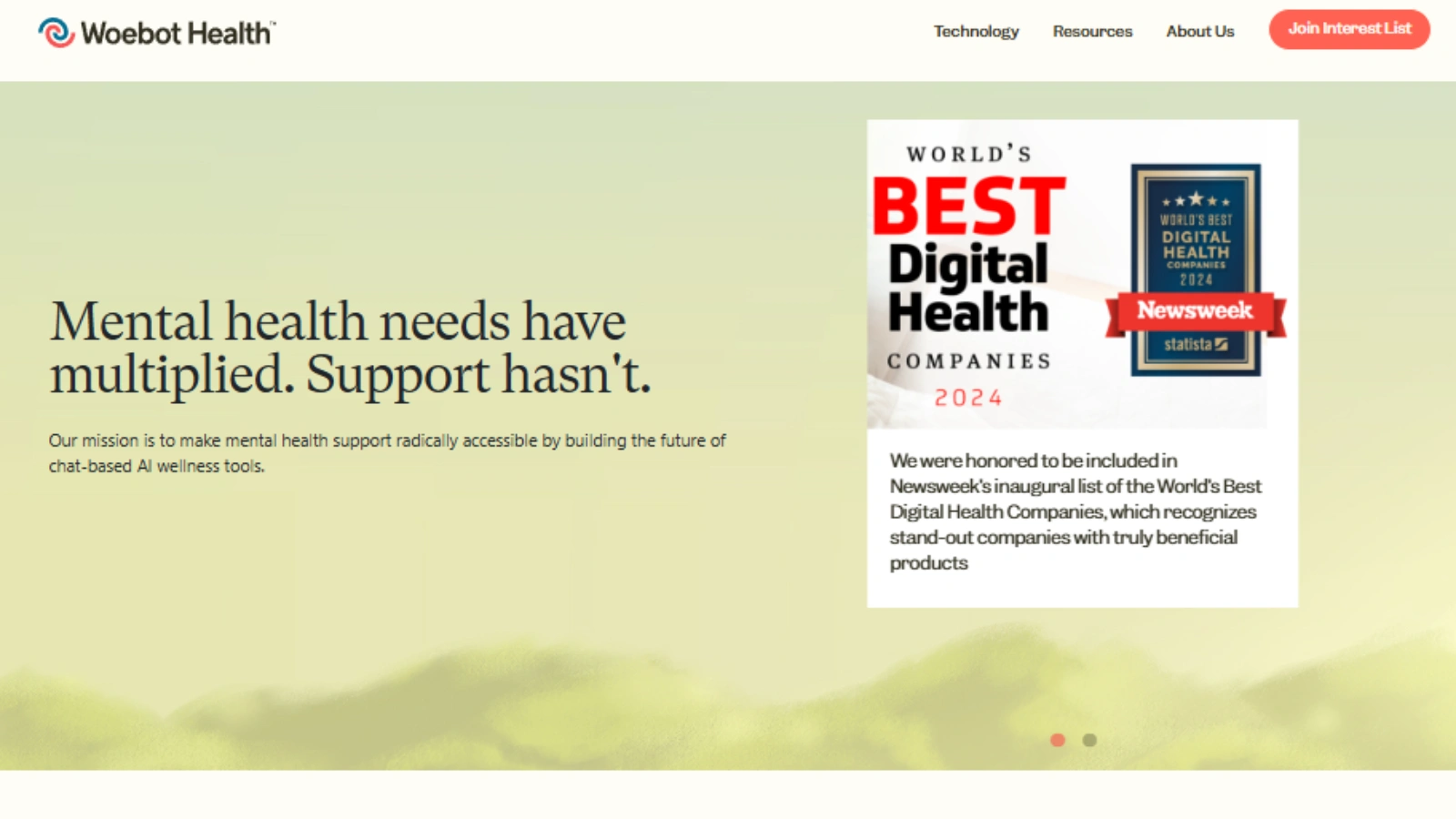
Woebot Health delivers mental health support through structured, evidence-based conversations. It uses principles from cognitive behavioral therapy to guide users through common challenges like stress, anxiety, and negative thinking patterns.
One of its strengths is consistency. Unlike human support, which may vary depending on availability, Woebot provides the same level of structured guidance at any time. This makes it especially helpful for people who need immediate, low-barrier support.
It is not meant to replace therapists, but it fills an important gap. For many users, it acts as a first step toward understanding and managing their mental health.
Tempus
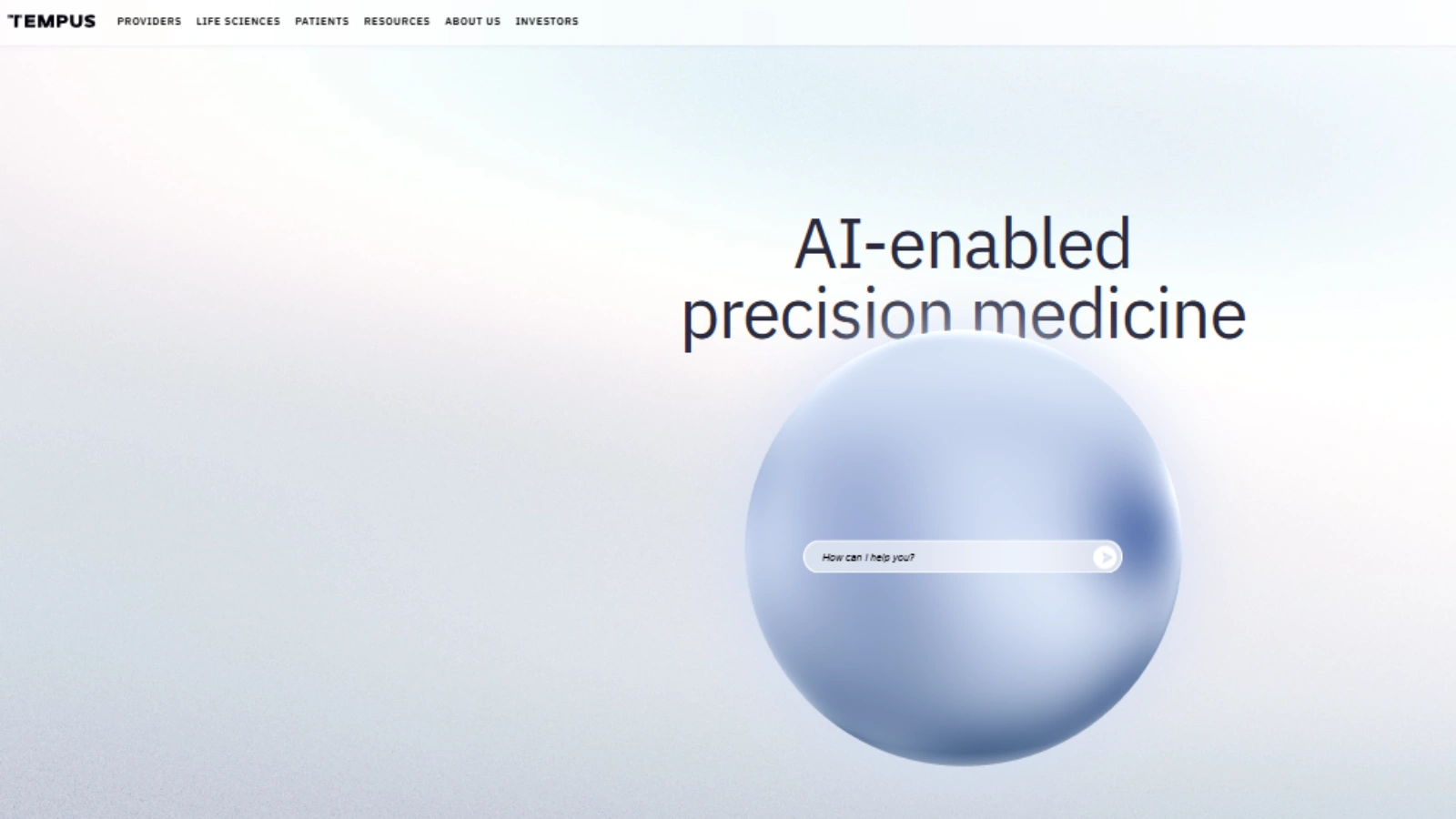
Tempus operates in the field of precision medicine, where treatment decisions depend on large and complex datasets. It combines clinical records with genomic data to give physicians a more complete picture of each patient.
This approach allows for more personalized care. Instead of relying on general treatment paths, doctors can make decisions based on patterns found in similar cases.
The scale of data is what makes Tempus powerful. With access to millions of records, it can identify trends that would be nearly impossible to detect manually. This is particularly valuable in areas like oncology, where small insights can make a big difference.
Be My Eyes
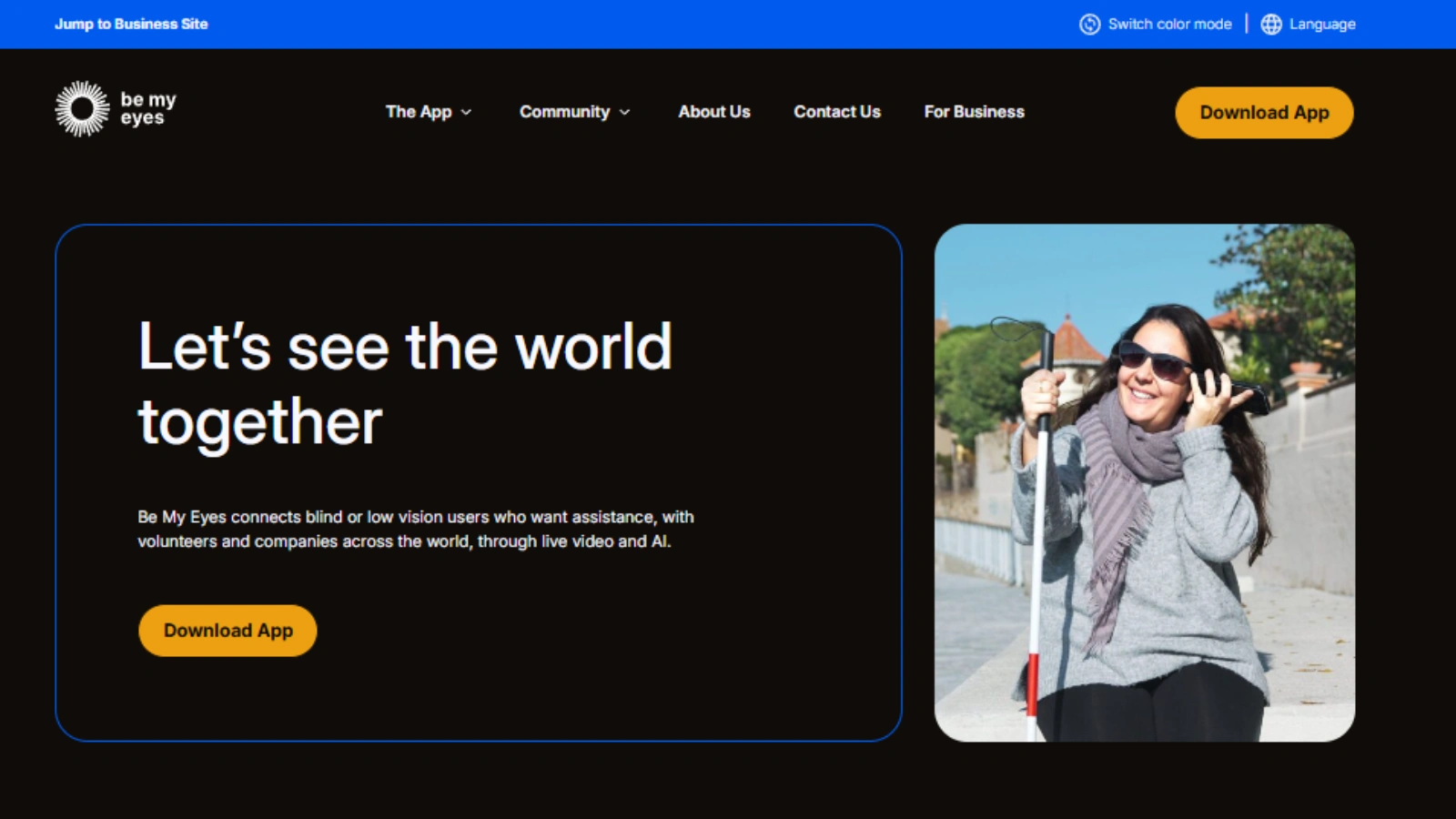
Be My Eyes focuses on accessibility, helping people with visual impairments navigate everyday situations. Its AI can describe surroundings, read text, and guide users step by step through tasks.
In a healthcare setting, this becomes especially valuable. Patients often need to read medication labels, follow instructions, or move through unfamiliar environments. These tasks can be challenging without assistance.
By providing real-time guidance, the tool increases independence. It reduces reliance on others and helps users manage their health more confidently.
What Does AI Agent Implementation Actually Look Like?
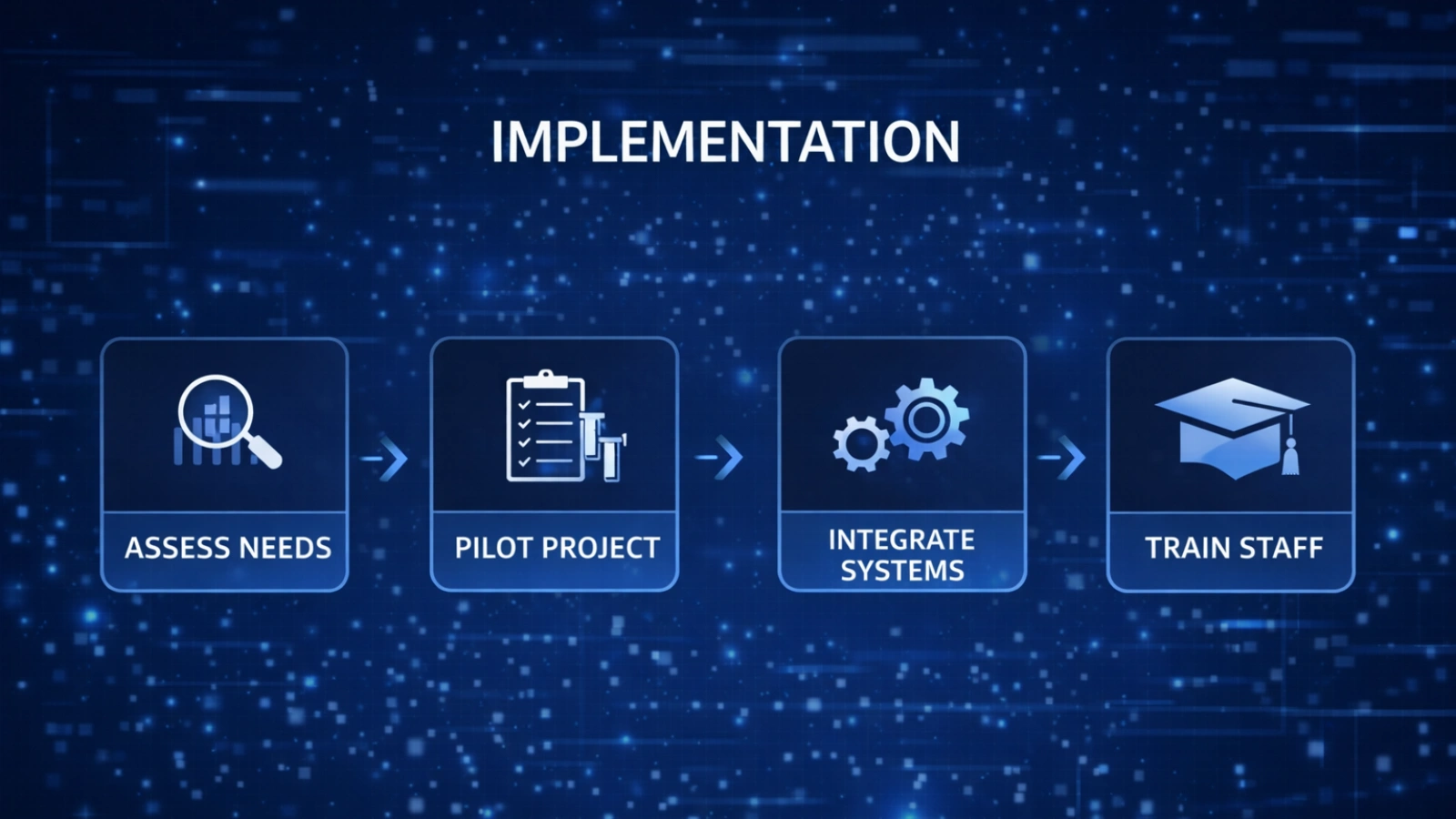
Adopting AI agents in healthcare requires more than installing software. It involves a step-by-step approach. Most organizations begin with administrative use cases. These are easier to implement and show results quickly.
Next comes infrastructure. Systems need to support secure data handling and integrate with existing platforms. Human oversight remains essential. Clear checkpoints ensure that decisions are reviewed when needed.
Finally, ongoing measurement helps refine performance. Tracking results allows organizations to improve over time.
The Bottom Line on AI Agents in Healthcare
AI agents in healthcare are changing how work is organized. They are not just another layer of technology added on top. They reshape workflows from the inside.
The benefits are already visible in early adopters. Faster documentation, improved diagnostics, and smoother operations are becoming more common.
At the same time, success depends on careful implementation. Balancing automation with human oversight remains critical.
AI agents in healthcare are not replacing clinicians. Instead, they are handling the surrounding workload, giving professionals more time to focus on patient care.
Frequently Asked Questions
What is the difference between an AI agent and a chatbot in healthcare?
Chatbots respond when prompted and depend on continuous input. AI agents in healthcare work more independently, handling tasks, making decisions, and adjusting based on results without constant direction.
Are AI agents in healthcare HIPAA compliant?
They can be compliant if built correctly. Secure infrastructure, proper data controls, and governance frameworks are necessary to meet requirements.
What are the biggest risks of using AI agents in healthcare?
Risks include data privacy concerns, bias in decision-making, and over-reliance on automation. Careful monitoring and human oversight help reduce these issues.
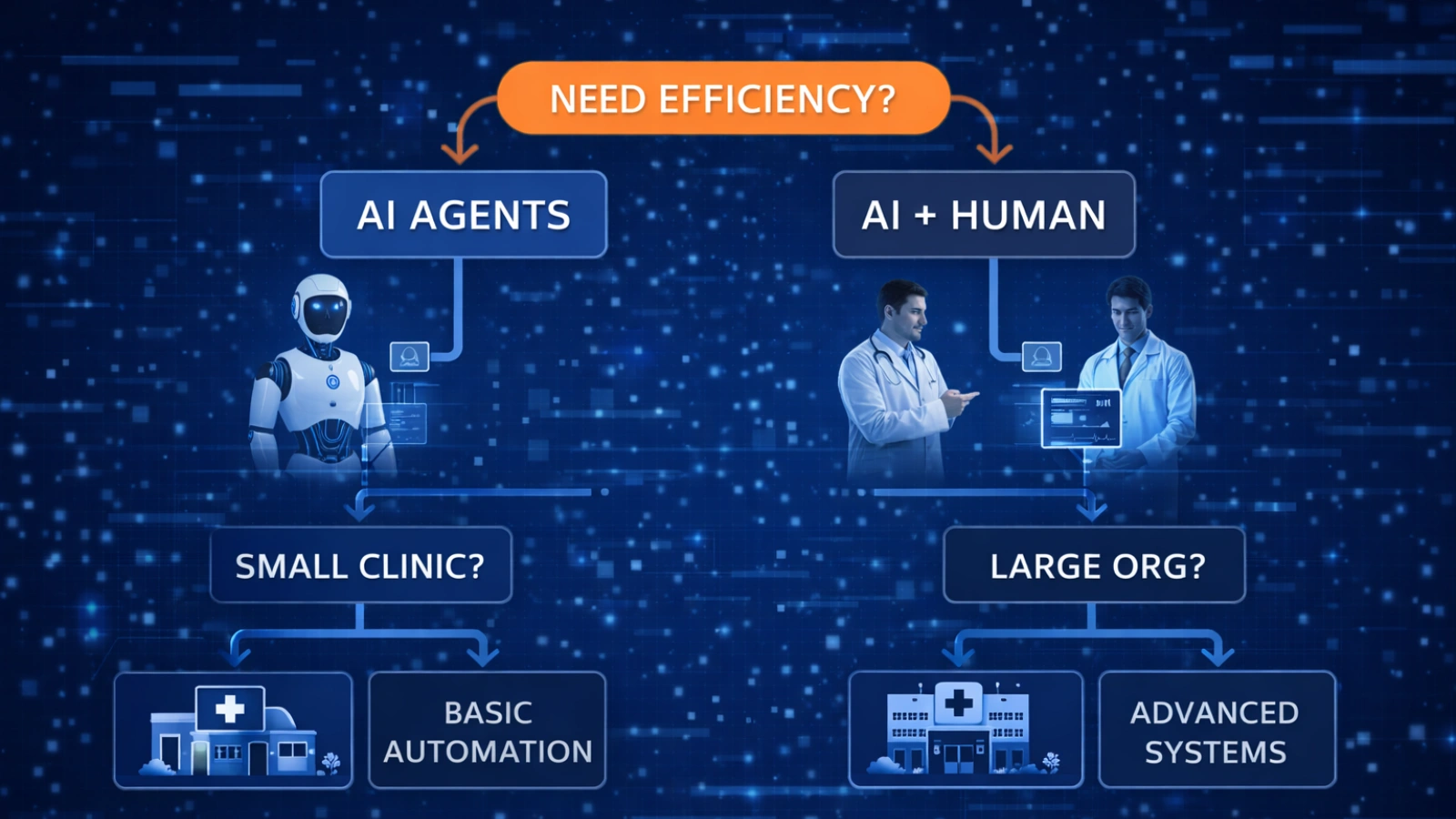
Can small clinics benefit from AI agents?
Yes. Many smaller practices use AI agents in healthcare for scheduling, documentation, and billing. These areas offer quick improvements with lower complexity.
What are some real examples of AI agents in healthcare?
Examples include tools like Tempus for precision medicine, Woebot for mental health, and Be My Eyes for accessibility. Each shows a different application of AI agents in healthcare.
How long does implementation take?
Simple use cases can be set up in a few weeks. More complex systems, especially those tied to clinical workflows, may take several months.