Modern workplaces no longer rely on instinct alone. Speed, data, and personalization now shape how HR teams operate. As companies grow and adapt to hybrid and remote models, expectations around hiring, engagement, and compliance continue to rise. This shift has fueled the rapid adoption of AI tools for HR across startups, mid-sized firms, and global enterprises.
HR professionals manage multiple responsibilities at once. They must recruit efficiently, support employee experience, track performance, and ensure regulatory compliance. Traditional systems often slow these processes down, creating bottlenecks and increasing manual workload.
Artificial intelligence offers a smarter approach. With automation and real-time insights, AI tools for HR reduce repetitive tasks and improve decision-making. Resume screening, employee queries, performance analytics, and workforce planning become faster and more accurate.
Platforms like SaaSTrac bring together specialized AI agents built to address specific HR challenges. In today’s competitive landscape, adopting AI tools for HR is not about following trends; it is about building efficient, responsive, and future-ready people operations.
Why Are HR Teams Turning To AI-Powered Solutions?
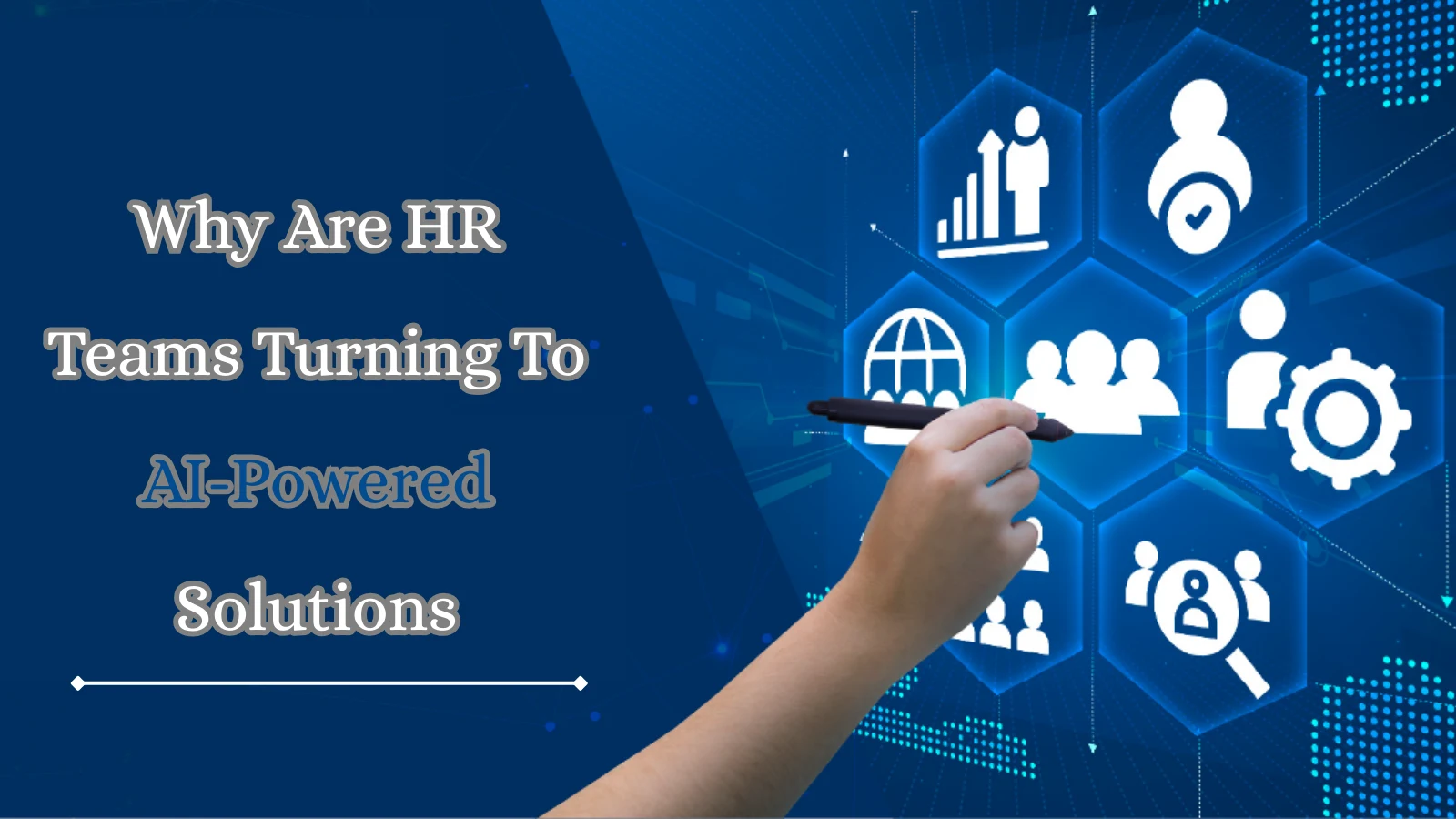
Human resources is every part of a business. Recruitment, payroll, performance management, engagement, and compliance all require accuracy and consistency. As organizations grow, manual processes create delays and errors. This reality pushes leaders to adopt AI tools for HR that streamline operations while maintaining a human-centered approach, reinforcing the growing role of AI in human resources.
AI does not replace HR professionals. Instead, it supports them by handling repetitive work, analyzing large data sets, and offering actionable insights. With the help of AI tools for HR, teams gain time to focus on culture, leadership development, and strategic planning rather than administrative overload.
Another key factor driving adoption involves workforce complexity. Remote teams, global hiring, and contract-based employment demand systems that adapt quickly. AI-driven platforms respond to these challenges with speed and precision, making AI tools for HR essential for modern workforce management.
How Does AI Shape Modern HR Operations?
AI processes information faster than any manual system, which directly changes how HR teams operate. From recruitment to employee support, intelligent systems help organizations make faster, smarter, and more consistent decisions without increasing workload.
In modern HR environments, AI supports teams in several critical ways:
- Smarter hiring decisions by screening resumes, matching skills, and scheduling interviews
- Instant employee support through automated responses to policy, payroll, and leave-related questions
- Better workforce planning by analyzing trends, performance data, and employee behavior patterns
This shift reflects a broader move toward data-driven decision-making. AI models analyze large volumes of workforce data to uncover insights that once took months to identify manually.
HR leaders can now:
-
Predict attrition risks before employees disengage
-
Identify skill gaps across teams
-
Design targeted learning and development programs
Importantly, AI does not remove the human element from HR. Instead, it strengthens it. By automating repetitive and time-consuming tasks, HR professionals gain more time to focus on people, culture, and strategic initiatives.
This is where platforms like SaaSTrac add value within the broader ecosystem of AI business tools. The SaaSTrac AI Agents directory serves as a centralized hub where HR teams and business leaders can explore a wide range of AI tools across multiple categories, including HR, automation, productivity, and business operations.
Instead of offering a single solution, SaaSTrac functions as a discovery platform that helps organizations identify AI agents suited to their specific needs.
By organizing tools by category and use case, the platform makes it easier to compare options and evaluate which solutions align with hiring goals, employee support requirements, workforce analytics, or compliance management. Rather than positioning itself as a tool provider, SaaSTrac supports informed decision-making by simplifying the search and exploration process within the growing AI ecosystem.
What Makes AI Agents Different From Traditional HR Software?
Traditional HR platforms rely on static rules and manual input. AI agents, on the other hand, learn from data, improve over time, and operate independently. This distinction explains why AI tools for HR built around agents deliver greater efficiency and accuracy.
An AI agent can monitor recruitment pipelines, respond to employee queries, or track compliance issues without constant supervision. It acts as a digital team member that works around the clock. With AI tools for HR, organizations move from reactive management to proactive workforce support.
AI agents also integrate seamlessly with existing systems. They pull data from multiple sources, analyze it in real time, and deliver insights instantly. This capability reduces fragmentation and creates a unified HR ecosystem.
Core Benefits Of Using AI Tools In HR
The value of AI becomes clearer when viewed through its impact on everyday HR operations.
Organizations that adopt AI-powered solutions see noticeable improvements in efficiency, accuracy, and overall employee satisfaction.
Faster and Fairer Hiring:
AI-driven screening evaluates candidates based on skills, qualifications, and experience rather than subjective judgment. This approach helps reduce unconscious bias while allowing recruiters to shortlist strong candidates faster and maintain consistency across hiring cycles.
Improved Employee Experience:
Chatbots and virtual assistants provide instant responses to common questions related to policies, leave balances, payroll, and benefits. Employees receive timely support without waiting for manual intervention, which improves engagement and builds trust.
Data-Driven Workforce Planning:
Predictive analytics analyze workforce trends, performance data, and historical patterns to forecast hiring needs and attrition risks. This insight enables HR leaders to plan staffing and training initiatives proactively instead of reacting to gaps after they occur.
Reduced Administrative Burden:
Automation streamlines payroll processing, compliance monitoring, and document management. By minimizing repetitive tasks, HR teams free up time to focus on strategic priorities such as talent development and organizational culture.
How Can SaaSTrac AI Agents Transform HR Operations?
SaaSTrac features a wide range of AI agents tailored for HR use cases, helping organizations discover effective hr ai tools that solve real workforce challenges. Each solution addresses specific needs while contributing to a unified workforce strategy.
Below is an overview of key platforms that demonstrate the power of AI tools for HR in action.
Deel AI: Intelligent Global Payroll and Compliance
Deel AI serves as a comprehensive payroll and workforce management agent for distributed teams. It automates hiring, payments, and compliance across multiple countries. Organizations managing international employees rely on this platform to reduce legal risk and administrative complexity.
As one of the most practical AI tools for HR, Deel AI supports remote-first strategies while ensuring accuracy in contracts, taxes, and benefits. Its automation capabilities allow HR teams to scale globally without increasing operational strain.
Vulse: Employee Advocacy Made Intelligent
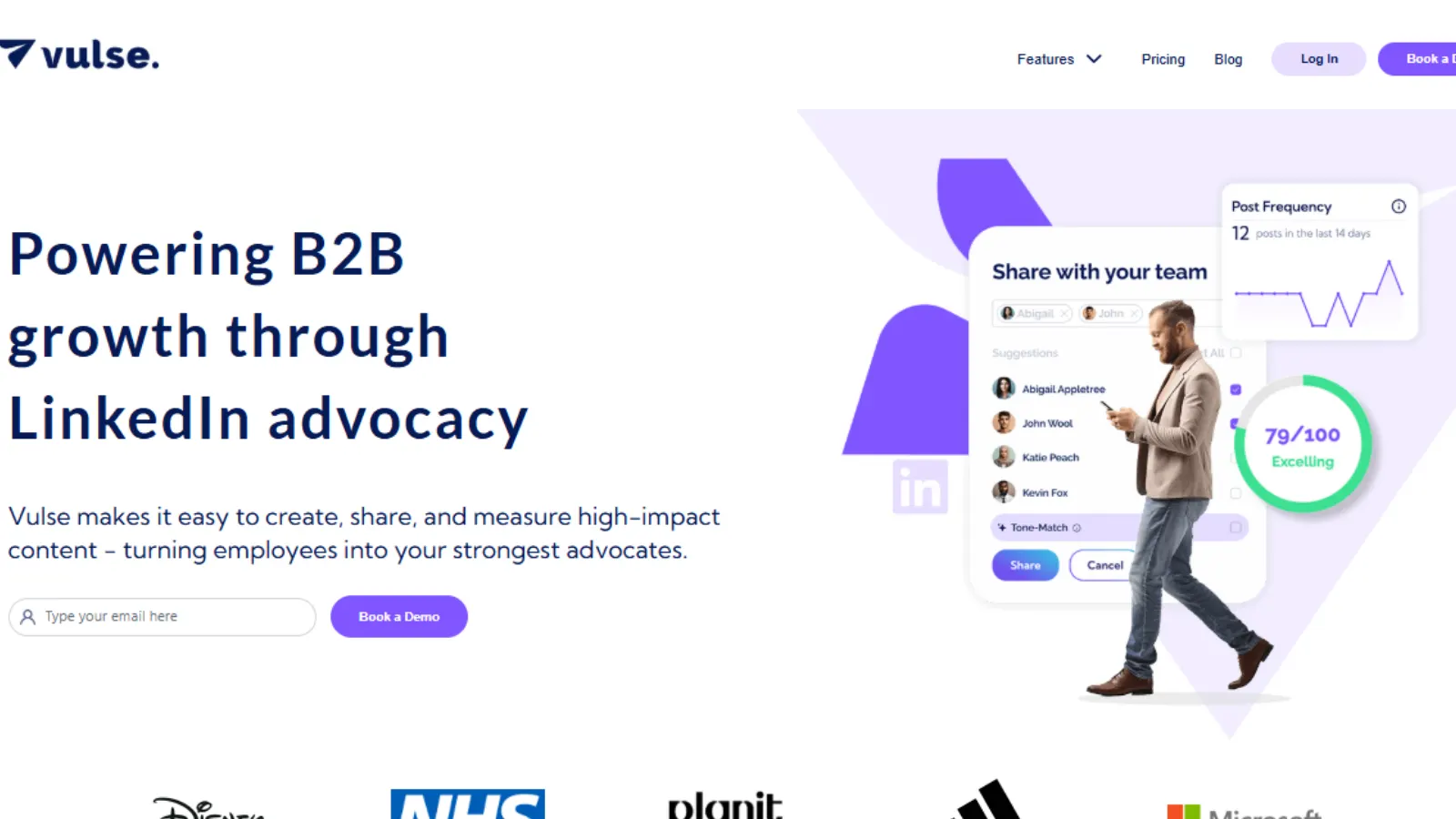
Vulse focuses on employee advocacy and internal communication. It helps HR and marketing teams distribute authentic brand messaging through employees while tracking engagement metrics.
By aligning communication strategies with workforce values, Vulse strengthens employer branding. This agent illustrates how AI tools for HR can influence culture and reputation alongside operational efficiency.
Recruit CRM: AI-Powered Recruitment Engine
Recruit CRM combines applicant tracking, client management, and workflow automation into a single recruitment platform. It supports agencies and in-house teams seeking speed and structure.
Through intelligent automation, Recruit CRM reduces manual follow-ups and data entry. It stands as a strong example of AI tools for HR improving recruitment outcomes without sacrificing personalization.
Artha: Precision Job Discovery Platform
Artha redefines job discovery through AI-driven matching and filtering. It connects candidates with roles that align with their skills, goals, and preferences.
For HR teams, Artha improves applicant quality and reduces mismatches. This focus on relevance highlights the strategic advantage of AI tools for HR in talent acquisition.
SonicJobs: AI Assistant for Job Hiring and Search
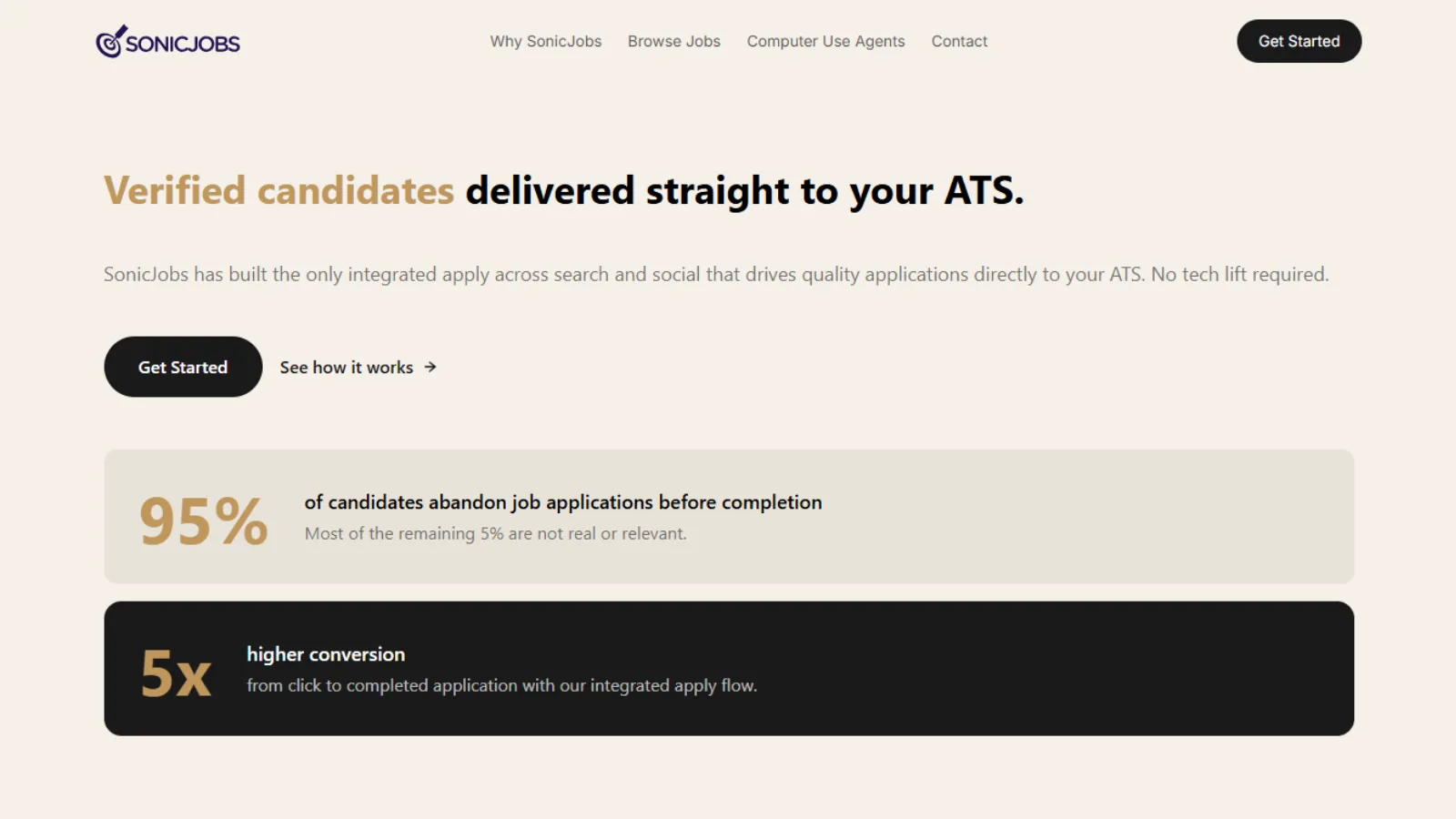
SonicJobs automates job distribution and candidate engagement. It simplifies hiring for employers while guiding job seekers through personalized opportunities.
This dual-sided approach demonstrates how AI tools for HR enhance efficiency across the hiring ecosystem.
Qode: Automated Hiring Without Delays
Qode streamlines recruitment through AI-led interviews, outreach, and workflow automation. It operates continuously, ensuring that opportunities never stall.
For fast-growing companies, Qode shows how AI tools for HR maintain momentum during high-volume hiring phases.
Cutshort: AI Meets Human Expertise in Tech Hiring
Cutshort blends AI-driven matching with human insights to optimize tech recruitment. This balance ensures accuracy without losing contextual understanding.
It reflects a broader trend where AI tools for HR complement human judgment rather than replacing it.
EVA: The AI Chief of Staff for HR Leaders
EVA operates as a productivity-focused AI assistant. It supports scheduling, coordination, and strategic task management for leaders.
By handling high-level administrative work, EVA enables executives to focus on decision-making. This capability reinforces the value of AI tools for HR beyond entry-level automation.
Interviewer.AI: Structured and Fair Interviewing
Interviewer.AI designs personalized interview flows and generates detailed candidate insights. It promotes fairness and consistency across hiring processes.
Such structured evaluation strengthens trust in recruitment outcomes, proving how AI tools for HR improve both efficiency and integrity.
Autonomous HR Chatbot: Instant Employee Support
This AI agent answers policy questions, retrieves data, and resolves common HR queries instantly. It reduces workload while improving employee satisfaction.
Always available and accurate, this chatbot represents one of the most impactful AI tools for HR in day-to-day operations.
AI And The Broader Business Ecosystem
HR does not operate in isolation. Workforce decisions affect productivity, revenue, and customer satisfaction. That connection explains why many companies now view HR technology as part of their broader operational strategy.
AI-powered platforms increasingly integrate with finance, operations, and analytics systems. This alignment turns HR insights into business intelligence. In this context, AI tools for HR function as strategic enablers rather than support utilities.
How Can Organizations Ensure Ethical And Responsible AI Use In HR?
As AI adoption grows, responsibility becomes just as important as innovation. Organizations must prioritize transparency, fairness, and data protection when implementing intelligent systems in HR processes. Ethical use ensures technology supports people rather than creating risk or mistrust.
To adopt AI responsibly in HR, organizations should focus on the following areas:
Transparency and Explainability:
AI-driven decisions should be understandable to HR teams and employees. Clear explanations of how systems evaluate candidates or process data help build trust and accountability.
Bias Prevention and Fairness:
Regular audits of algorithms help identify and reduce hidden biases. By monitoring outcomes and refining models, organizations can promote equitable hiring and evaluation practices.
Data Privacy and Security:
Employee data must be protected through encryption, access controls, and compliance with data protection regulations. Secure handling prevents misuse and strengthens confidence in AI systems.
Human Oversight and Control:
AI should assist, not replace, human judgment. HR professionals must remain involved in critical decisions to ensure context, empathy, and ethical considerations guide outcomes.
When implemented thoughtfully, ethical AI practices enhance trust, improve decision quality, and reinforce positive workplace culture. Responsible adoption allows organizations to benefit from innovation while maintaining integrity and respect for employees.
Also Read:
Top Productivity AI Agents For Small Business & Teams
7 Game-Changing AI HR Tools You Need to Know About for 2026
The Future Of HR Powered By AI Agents
The next phase of HR innovation centers on deeper personalization and predictive intelligence. AI agents will anticipate employee needs, recommend interventions, and support career growth proactively, highlighting the growing importance of ai in hr.
As these capabilities expand, AI tools for HR will move from operational support to strategic leadership enablers. HR professionals will rely on AI insights to shape culture, guide transformation, and drive long-term success.
Final Thoughts
The HR landscape continues to evolve at an unprecedented pace. Manual systems no longer meet the demands of modern workforces. Intelligent automation, predictive analytics, and autonomous agents now define effective people management.
By adopting AI tools for HR, organizations gain efficiency without sacrificing empathy. Platforms like SaaSTrac simplify discovery and evaluation, ensuring HR teams access solutions that deliver real value.
From hiring and payroll to engagement and compliance, AI-driven agents support every stage of the employee lifecycle. Companies that embrace this transformation today position themselves for resilience, growth, and competitive advantage tomorrow.
FAQs
1. Can small businesses benefit from AI-based HR solutions?
Yes, smaller teams can automate repetitive tasks like screening resumes, responding to employee queries, and managing records without adding extra staff.
2. Is technical knowledge required to implement AI in HR systems?
Most modern platforms offer simple onboarding, guided workflows, and dashboards that allow HR teams to get started without technical expertise.
3. How does artificial intelligence improve fairness in recruitment?
By focusing on skills, qualifications, and experience, intelligent systems help reduce unconscious bias during candidate screening and evaluation.
4. Can AI-powered platforms work with existing HR software?
Many solutions integrate smoothly with payroll systems, ATS platforms, and workforce management tools through built-in integrations or APIs.
5. Are employee data and records secure when using AI solutions?
Trusted platforms use encryption, role-based access, and compliance standards to ensure sensitive employee information remains protected.