

Research used to mean hours of reading, cross-checking sources, and manually pulling insights from mountains of data. That world is changing fast. Whether you are a student writing a thesis, a professional digging into market trends, or a business analyst making data-driven decisions,
Finding the best AI tool for research can save you enormous time and effort. Choosing the right best AI tool for research at the start of your project sets the tone for everything that follows.
Why AI Is Now Essential For Research?
The volume of information available today is staggering. Search engines can surface millions of results in seconds, but sorting through them remains a deeply human task, at least, it used to be.
Modern AI tools do not just retrieve information. They understand context, summarize findings, detect patterns in data, and even generate hypotheses. For anyone who relies on research as part of their work, the best AI tool for research is no longer a luxury. It is a competitive advantage. Knowing which best AI tool for research suits your workflow can be the difference between confident decision-making and costly guesswork.
From academic literature to business intelligence, AI is making research faster, more accurate, and far less exhausting.
What Makes The Best AI Tool For Research?

Not every AI tool is designed with research in mind. A high-quality research-focused AI should deliver accurate, citation-backed outputs, support natural language queries, summarize complex documents effectively, and process large volumes of data with speed and precision.
Equally important is how well the tool fits into your existing workflow. Seamless integrations, ease of use, and flexible pricing models, such as free tiers or trials, allow researchers to evaluate functionality before making a long-term commitment.
When comparing options, it is important to look beyond surface-level features. Consider how well the tool handles nuance, conflicting information, and highly specialized topics within your domain. The most effective solution is rarely the most popular or feature-heavy, it is the one that aligns closely with how you actually work.
To simplify the discovery process, platforms like SaasTrac AI Agents Directory can help you explore and compare research-focused AI tools in one place. These curated directories make it easier to identify solutions tailored to specific use cases, saving time and ensuring you choose a tool that truly supports your research workflow.
Top AI Tools For Research In 2026
1. Consensus:
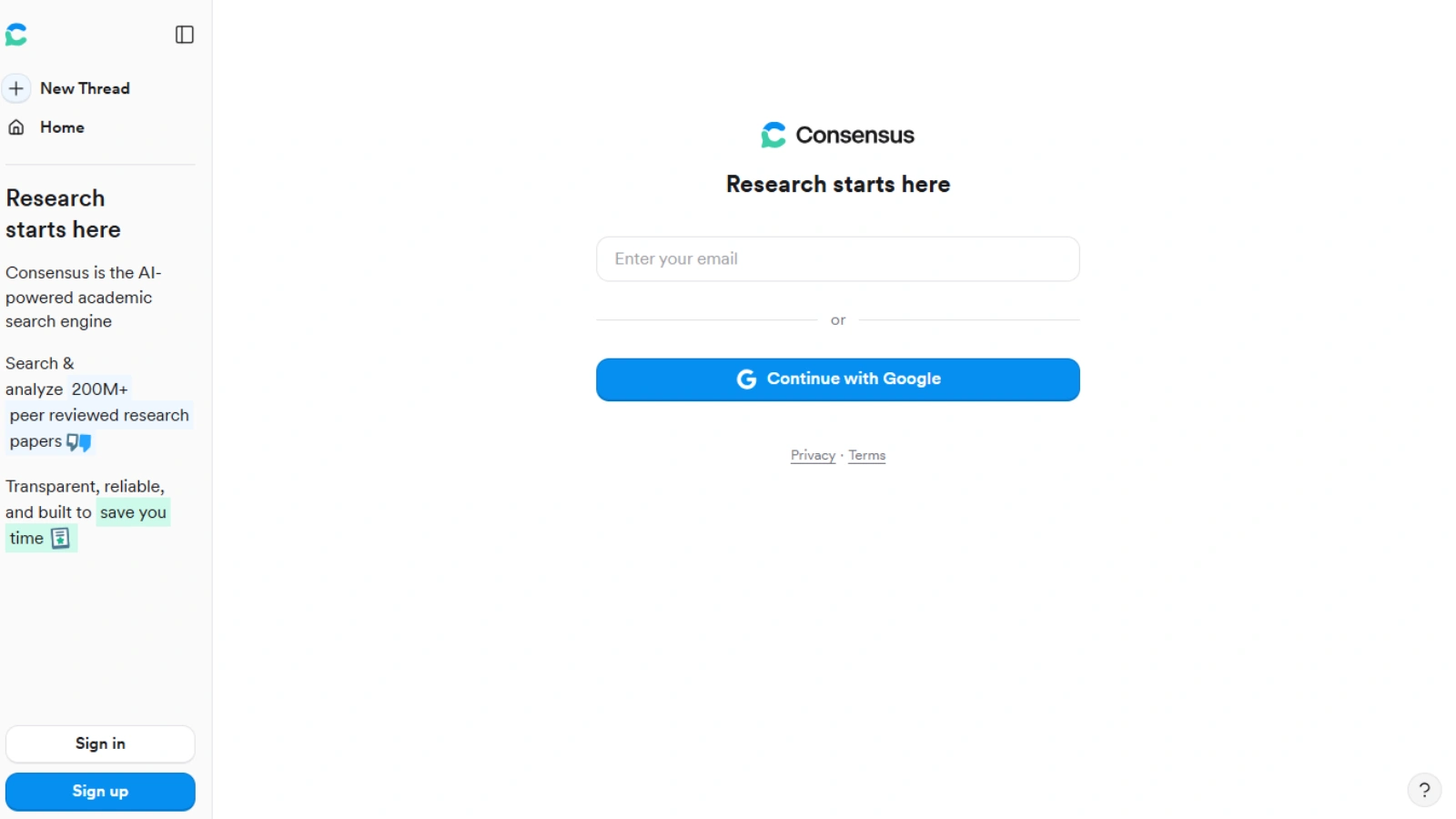
Consensus is built specifically for academic and scientific research. Instead of searching the broader web, it searches peer-reviewed papers and gives you evidence-backed answers drawn directly from published studies.
What sets it apart is its ability to synthesize findings across multiple papers and tell you what the science actually says on a topic. If you are looking for the best AI tool for research in an academic context, Consensus is one of the most reliable options available.
Researchers appreciate that every answer comes with citations, so you can verify the source material yourself. It removes the guesswork from literature reviews and helps you build arguments grounded in evidence.
You can explore Consensus as an AI agent on AI Agents by SaasTrac, a platform dedicated to helping professionals discover the right AI tools for their needs.
2. Avidnote:
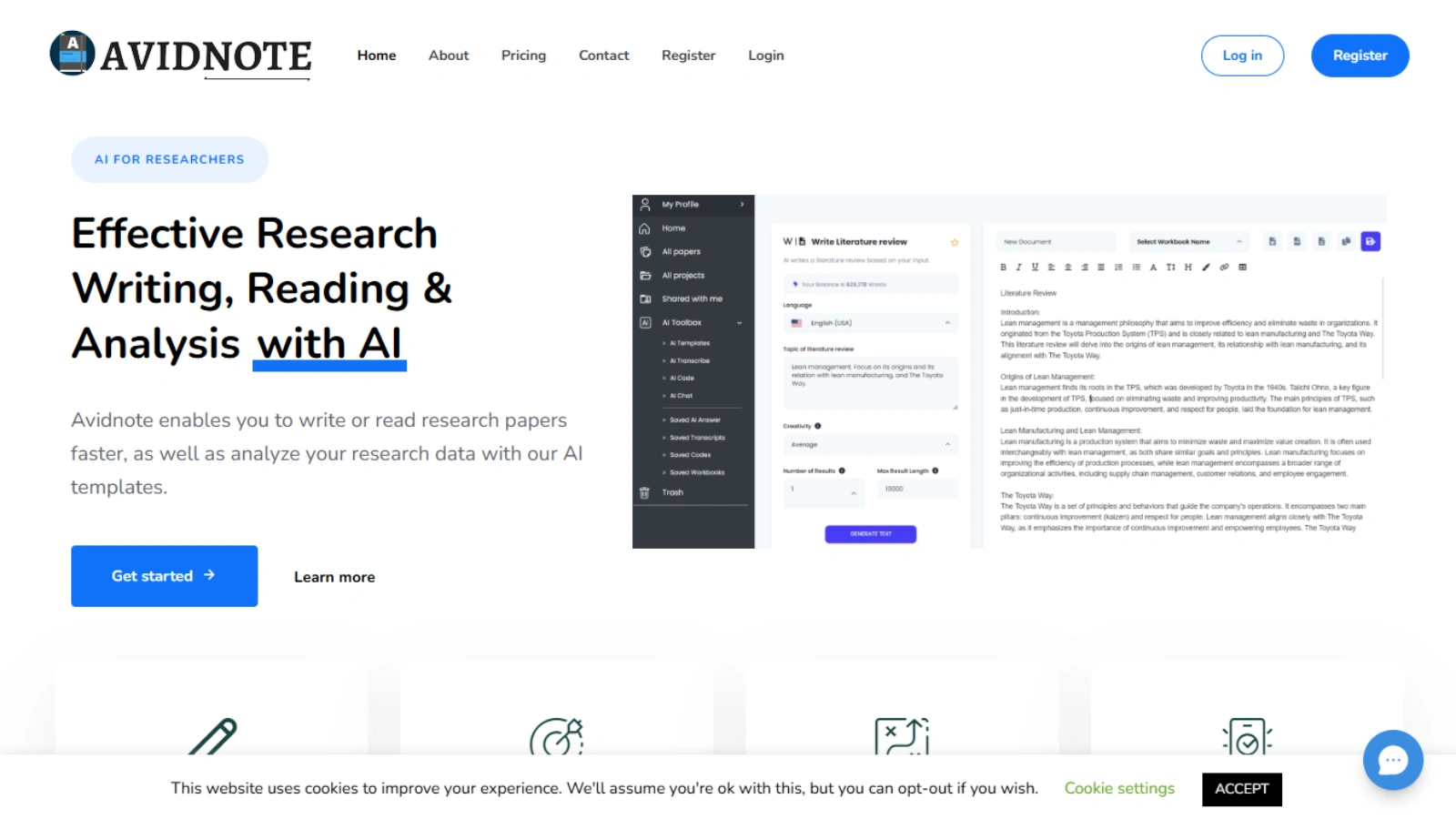
Avidnote positions itself as an AI lab partner for researchers. It helps you read, annotate, and extract insights from academic papers at a pace that would be impossible manually.
You can upload research documents and ask questions directly within the platform. Avidnote summarizes findings, highlights key arguments, and helps you connect ideas across multiple sources. For researchers dealing with dozens of papers per week, this kind of support is genuinely transformative.
The tool is especially useful during the literature review phase of any research project. It handles the heavy lifting of reading so that you can focus on thinking critically and drawing conclusions.
Avidnote is widely recognized as a research-focused AI tool, making it a strong choice for anyone looking to process and analyze research material more efficiently.
3. SurveyMonkey
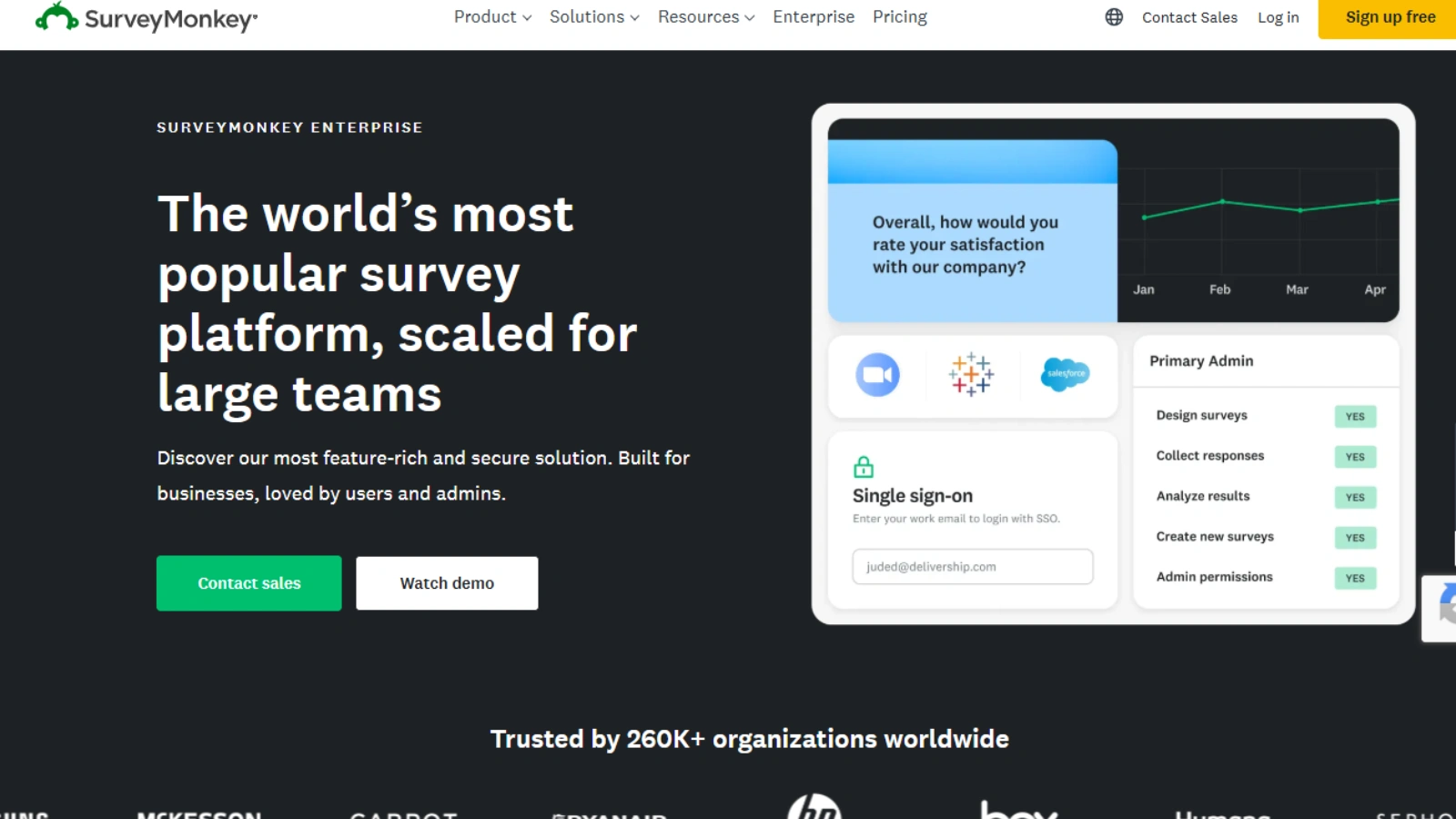
Primary research, the kind where you collect your own data directly from people, is just as important as reviewing existing literature. SurveyMonkey has long been a leader in this space, and its AI-powered features have made it considerably smarter.
The platform now uses AI to help you design better surveys, predict response quality, and surface patterns in your results. For businesses and researchers who rely on feedback and survey data to make decisions, SurveyMonkey stands out among the top ai tools for business.
It also offers smart analysis of open-ended responses, so you do not have to manually read through hundreds of text answers to spot trends.
SurveyMonkey is a strong choice for researchers looking for a smarter approach to collecting and interpreting feedback data.
4. Amplitude
Research is not just about reading papers or collecting survey responses. For product teams, startups, and growth analysts, research means understanding user behavior through data. Amplitude brings AI-powered product analytics into that equation.
Amplitude helps teams identify what is working, what is driving retention, and where users drop off, all through an AI layer that surfaces insights automatically rather than requiring manual querying.
For data-driven decision-making, it ranks among the top ai apps used by product and growth teams globally. The platform handles complex datasets and translates them into clear, actionable findings.
Amplitude is widely recognized for its advanced product analytics capabilities. If your research involves user behavior or product metrics, it is worth a closer look.
Discover More Research AI Tools at AI Agents by SaasTrac
If you are looking for a centralized place to explore research-focused AI tools, aiagents.saastrac.com is worth bookmarking.
SaasTrac curates a growing directory of AI agents across dozens of categories — including research, data analytics, business intelligence, and more. Whether you need the best AI tool for research in academia, market analysis, or product development, the platform makes discovery simple and organized.
Rather than hunting across multiple sites and review platforms, you can browse by category, filter by use case, and find AI tools tailored to your workflow. It is particularly useful for professionals who want to stay updated on new tools without spending hours reading scattered reviews.
How To Choose The Right Research AI Tool For You?

With so many options available, narrowing down your choice comes down to a few core questions.
What type of research do you do? Academic researchers need citation-backed tools like Consensus or Avidnote. Business researchers may lean toward analytics platforms or survey tools. If your work sits at the intersection of both, you may need multiple tools working together.
What is your budget? Many of the best free AI tools offer enough functionality for individual researchers or small teams. Paid plans typically unlock higher usage limits, integrations, and more advanced features.
How technical is your team? Some platforms require minimal setup and work out of the box. Others give you more control but demand a learning curve. Match the tool to the team, not just to the task.
The Role of AI Agents In Modern Research?
A growing trend in 2026 is the shift from standalone AI tools toward AI agents, systems that do not just respond to queries but actively work toward research goals. An AI agent can search sources, synthesize findings, generate reports, and even flag gaps in your research autonomously. In many ways, a capable AI agent is itself the best AI tool for research because it handles the entire workflow rather than just one step.
This shift matters because research is rarely a single-step task. It involves iteration, comparison, and refinement. AI agents are designed to handle that complexity, which is why platforms like SaasTrac have built entire directories around them.
For researchers who want to stay ahead, understanding how AI agents differ from traditional tools is worth the time. The best ai tool for research in 2026 may not be a single product but a network of agents working together in your workflow.
Top Features To Prioritize In Any Research AI Tool
When evaluating a research AI tool, focus on these key capabilities:
- Source Verification: A reliable tool should always provide citations or references for its answers. This ensures transparency and allows you to verify the accuracy of the information.
- Summarization Depth: The ability to break down long and complex documents into clear, concise insights can save significant time and effort during research.
- Natural Language Understanding: A good AI tool should understand queries in plain language and deliver relevant, context-aware results without requiring technical input.
- Integration with Existing Tools: Seamless integration with your current workflow (documents, data platforms, or collaboration tools) helps reduce friction and improves productivity.
- Handling Large Data Volumes: The tool should efficiently process and analyze large datasets or multiple documents without slowing down or losing accuracy.
- Customization & Flexibility: Look for tools that allow you to tailor outputs based on your specific research needs, rather than forcing a one-size-fits-all approach.
- Handling Complex & Niche Topics: A strong research AI should be capable of understanding nuanced queries and working with specialized or domain-specific information.
- Ease of Use & Accessibility: Intuitive interfaces and availability of free trials or tiers make it easier to evaluate and adopt the tool.
Final Thoughts
Research has always required intellectual rigor. AI does not replace that, it amplifies it. By handling the time-consuming parts of information gathering, synthesis, and analysis, the best AI tool for research gives you more bandwidth to do the thinking that actually matters.
Whether you choose Consensus for academic work, Avidnote for document analysis, SurveyMonkey for primary data collection, or Amplitude for behavioral analytics, you are taking a real step forward in how you approach your research. Each of these represents what a genuinely useful best AI tool for research looks like in practice.
When thinking about best ai tools for business, the research layer is often the most overlooked. Companies that invest in AI-powered research workflows tend to make faster, more confident decisions because they are operating on better information.
For ongoing discovery of research-focused options, keep AI.Agents.Saastrac in your toolkit. It is one of the cleanest directories available for finding AI tools genuinely aligned with professional research workflows.
The era of spending full days on tasks that the best AI tool for research can handle in minutes is ending. The researchers who adapt now will have a significant edge over those who do not.
FAQs
Q1. Can AI research tools work with non-English sources?
Many advanced AI research tools now support multilingual content, allowing researchers to search, summarize, and extract insights from sources in Spanish, German, French, Chinese, and other major languages, though accuracy can vary by language and tool.
Q2. Is it safe to upload confidential research data to AI tools?
Most reputable AI research platforms offer data encryption and privacy policies, but you should always review their terms before uploading sensitive or proprietary research data. Some tools offer private deployment options for enterprise users who need stricter data control.
Q3. Can AI research tools replace a human researcher entirely?
No. AI tools are built to assist, not replace. They handle the repetitive and time-consuming parts of research, like searching, summarizing, and organizing, but critical thinking, interpretation, and original analysis still require human judgment.