

Best free AI agents sound promising at first, but choosing one can quickly turn into a frustrating experience. You open a few tabs, compare tools, and suddenly everything feels either too complex or not truly free.
That’s where most people get stuck.
Some tools claim to automate tasks but end up behaving like basic chatbots. Others offer real power but expect a technical setup from the start. The bigger issue is this: no one clearly explains which tool is actually worth your time.
Instead of another generic list of free AI agents, this guide focuses on helping you choose the right one. You’ll also learn where to discover reliable tools without wasting hours searching.
What is a free AI agent?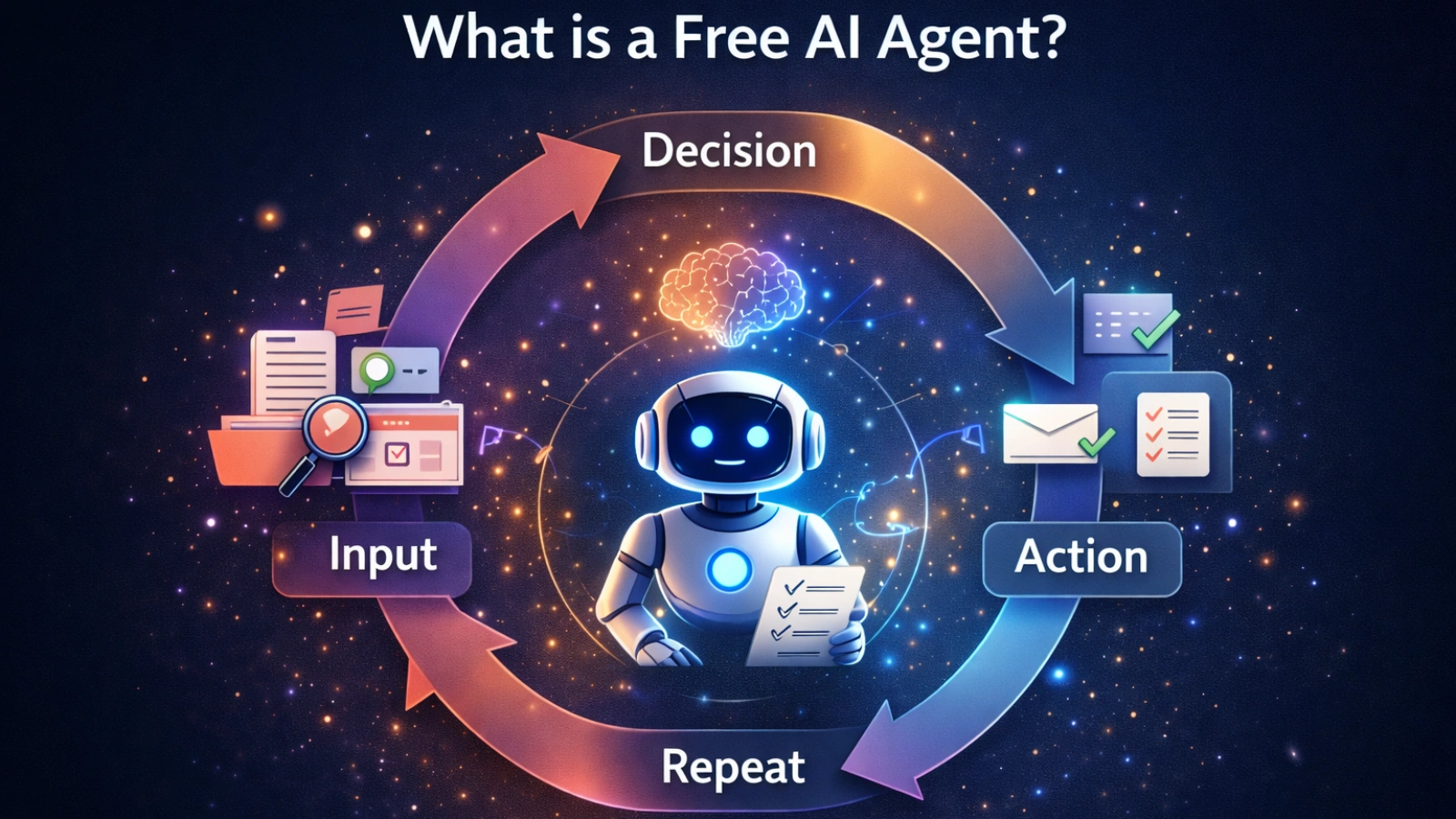
When people search for the best free AI agents, they’re usually looking for something that goes beyond simple answers.
A free AI agent is software that can take input, make decisions, and complete tasks on its own. It doesn’t stop at responding. It follows through until the job is done.
Most systems work in a loop. They gather information, decide the next step, and act. Then they repeat the process until they reach the goal.
In the context of AI agents, “free” often means you can start without paying, though limits like usage caps or optional upgrades may apply.
What separates an AI agent from a chatbot?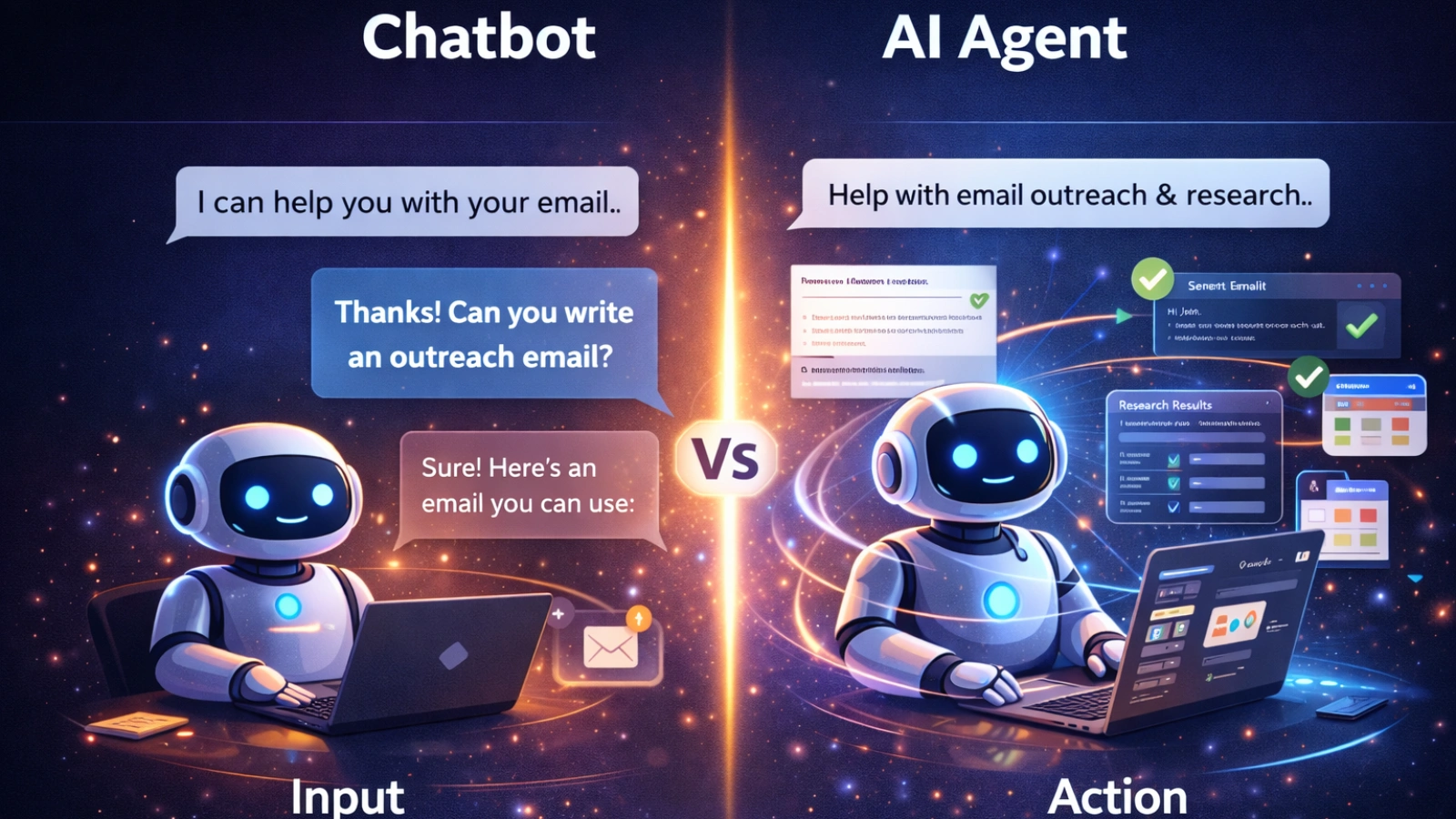
This is where many people get confused when exploring the best free AI agents. A chatbot gives you information. An AI agent uses that information to take action.
It’s called an intelligent agent in AI, or an AI intelligent agent, which means it doesn’t just respond but actually works toward a goal.
For example, imagine asking a chatbot to help with email outreach. It might generate a message, but you still need to send it yourself.
An AI agent can take that same request and complete the task. It can write, personalize, and send the email if connected properly. This behavior reflects what’s known as an intelligent agent in AI. It doesn’t just process inputs. It works toward a goal.
Once you understand this difference, evaluating the AI agents becomes much easier.
How to choose the best free AI agents
Choosing from the many best AI agents available is less about popularity and more about fit.
Here’s how to approach it nearly.
1. Start with your goal, not the tool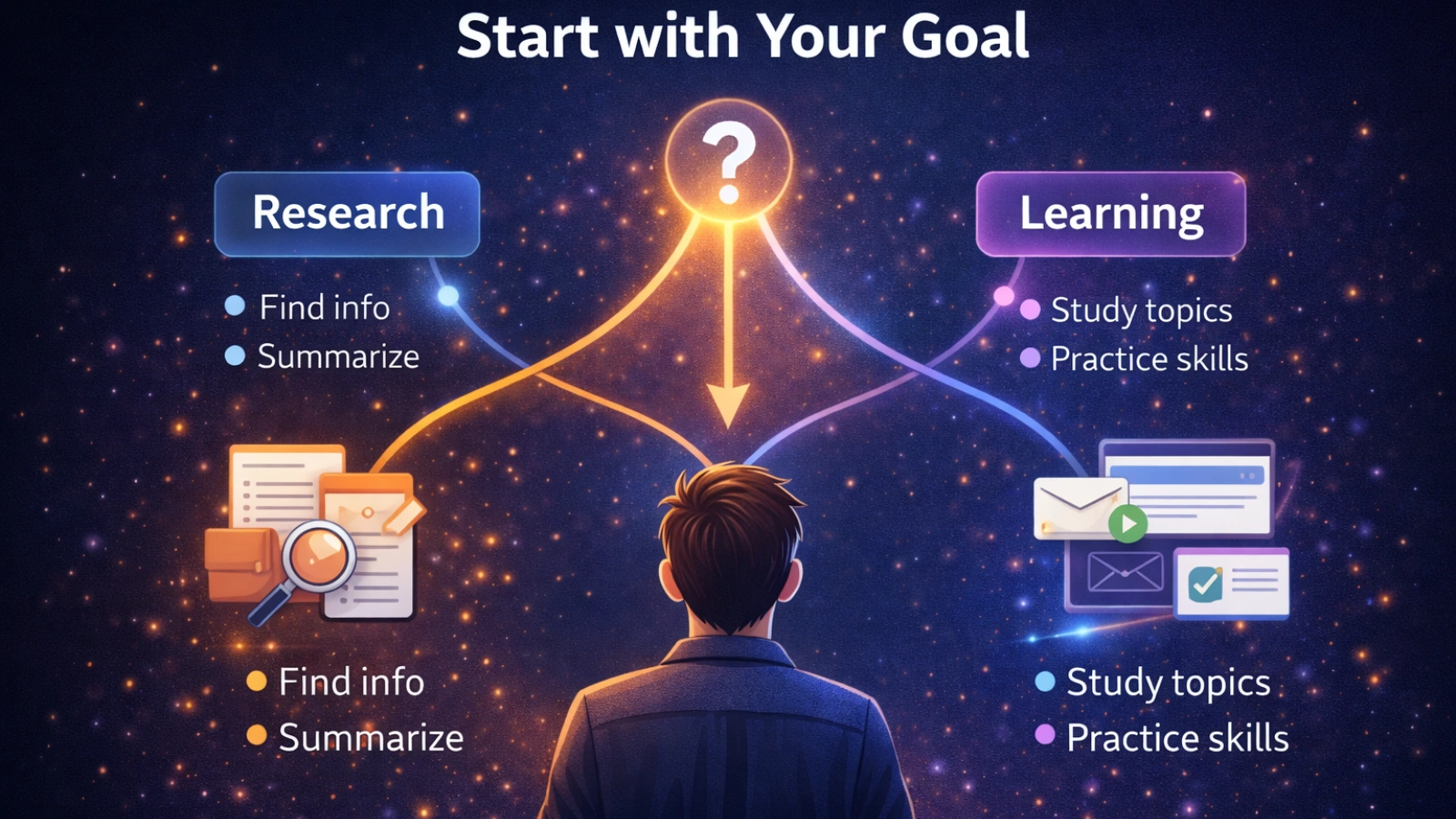
Many people browsing AI agents jump straight into tools without thinking about what they need.
A better approach is to define your goal first.
Do you want help with research? Are you trying to automate repetitive work? Or are you experimenting with AI for learning?
A student working on assignments will need a very different tool compared to a developer building automation systems. Your goal shapes everything.
2. Look closely at what “free” includes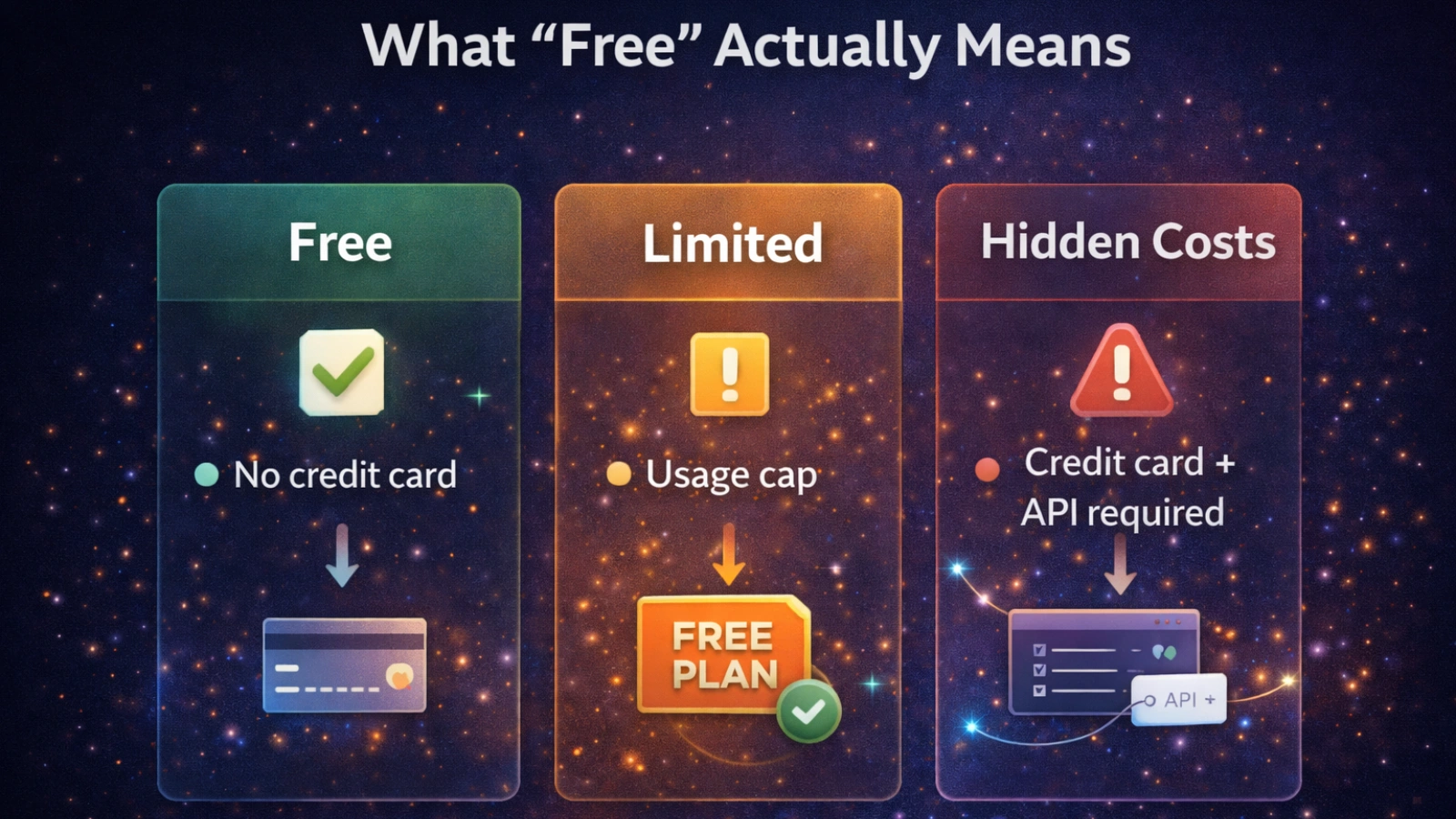
Not all the best free AI agents are free in the same way, and this is where confusion often starts.
Some tools give you limited runs each month. Others require your own API key, which means you still pay based on usage. Open-source tools may be free, but they demand time and setup.
Before choosing, check a few basics:
- Usage limits
- Whether a credit card is required
- Any hidden costs like APIs or hosting
This small step can save a lot of frustration later.
3. Decide how much control you need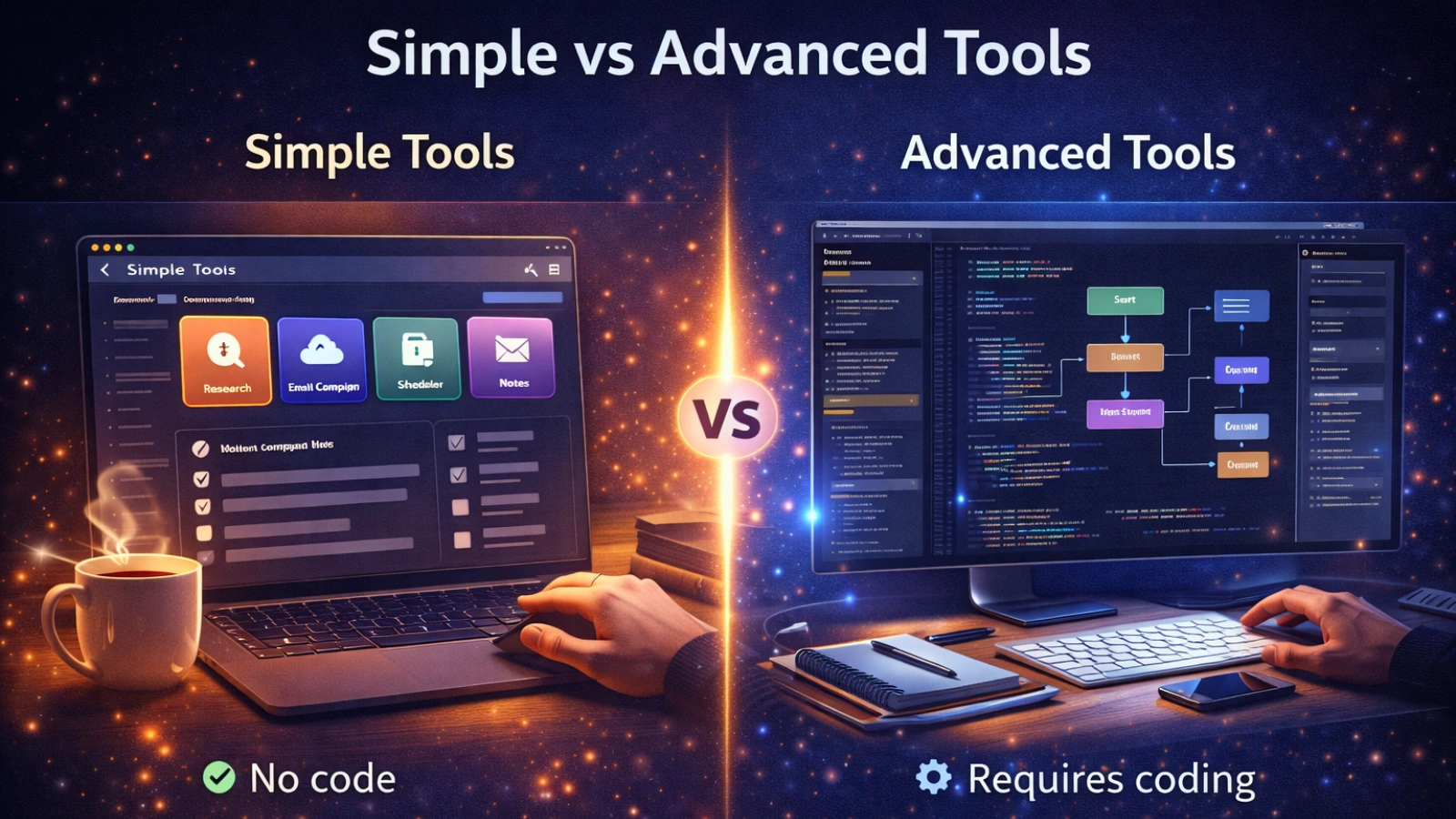
When comparing AI agents, you’ll notice a clear split between simplicity and flexibility.
Some tools are designed for quick results. You open them, enter a goal, and get output instantly. These are ideal for beginners.
Others give you deeper control. Frameworks like LangChain or AutoGPT let you customize workflows, but they require more effort to set up.
There’s no single right choice. It depends on how hands-on you want to be.
4. Focus on real-world usefulness
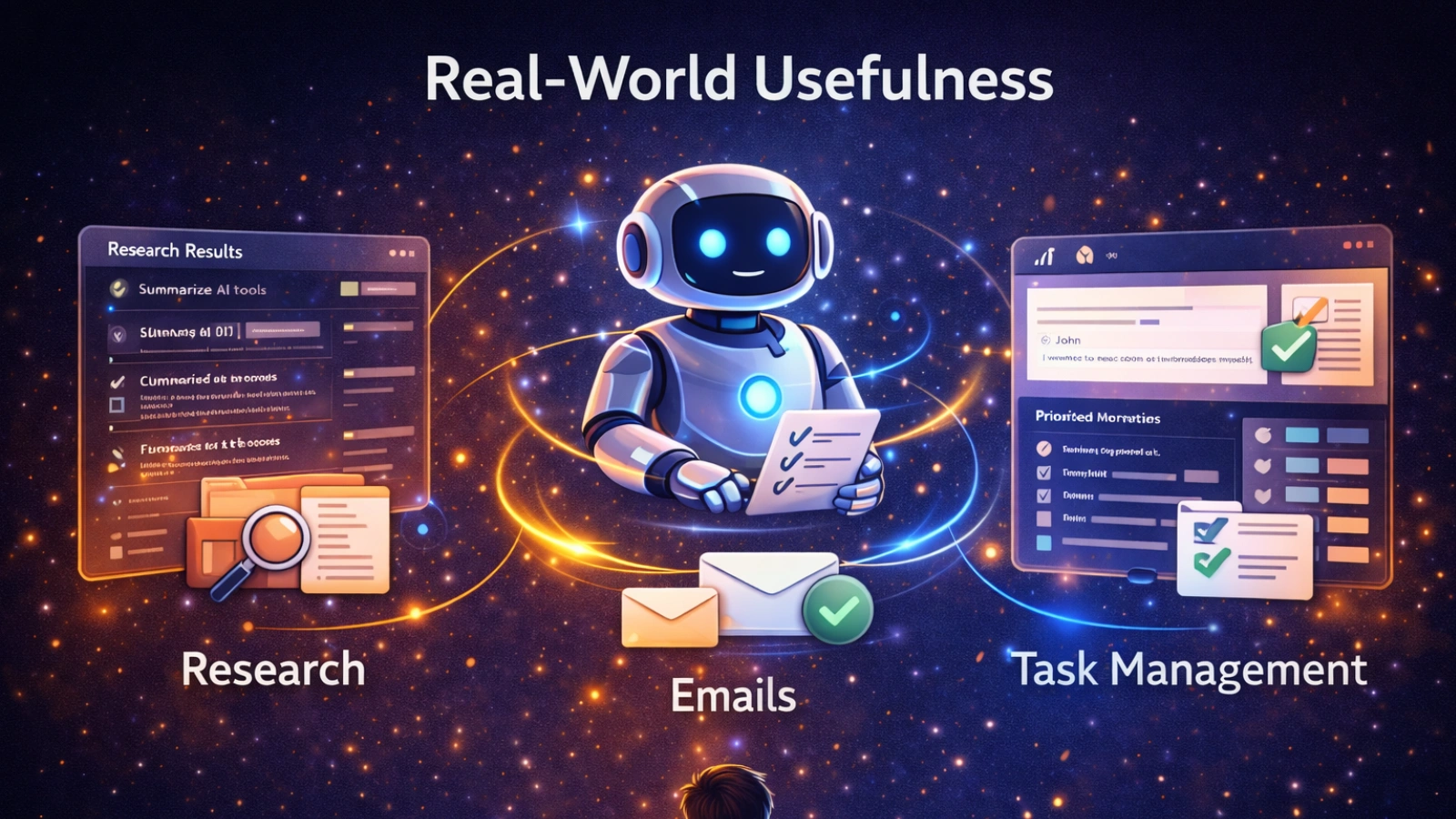
It’s easy to get impressed by features when browsing the best free AI agents, but features don’t always translate into value.
Instead, ask a simple question. Can this tool help me complete something meaningful today?
For instance, can it automate research instead of just summarizing it? Can it handle multiple steps without constant input?
A tool that saves you time in real scenarios is far more valuable than one with impressive specs.
Instead of focusing only on features, look at real AI agents examples. Can the tool actually automate research, manage tasks, or complete multi-step workflows?
5. Think about long-term use
Many people try a few of the free AI agents and then feel stuck when they want to do more.
A good tool should grow with you. Even if you start with a free plan, it should offer a clear path to expand your usage later.
This becomes especially important if you plan to rely on it regularly or build something around it.
A Few Examples of Free Al Agents
Airwallex
This works best for businesses handling international payments or global clients, like startups, SaaS companies, and e-commerce brands.
Airwallex brings everything into one place. You can send, receive, and manage multiple currencies without juggling different tools.
It also makes cross-border payments faster and more transparent, helping you stay in control as your business grows.
Voila
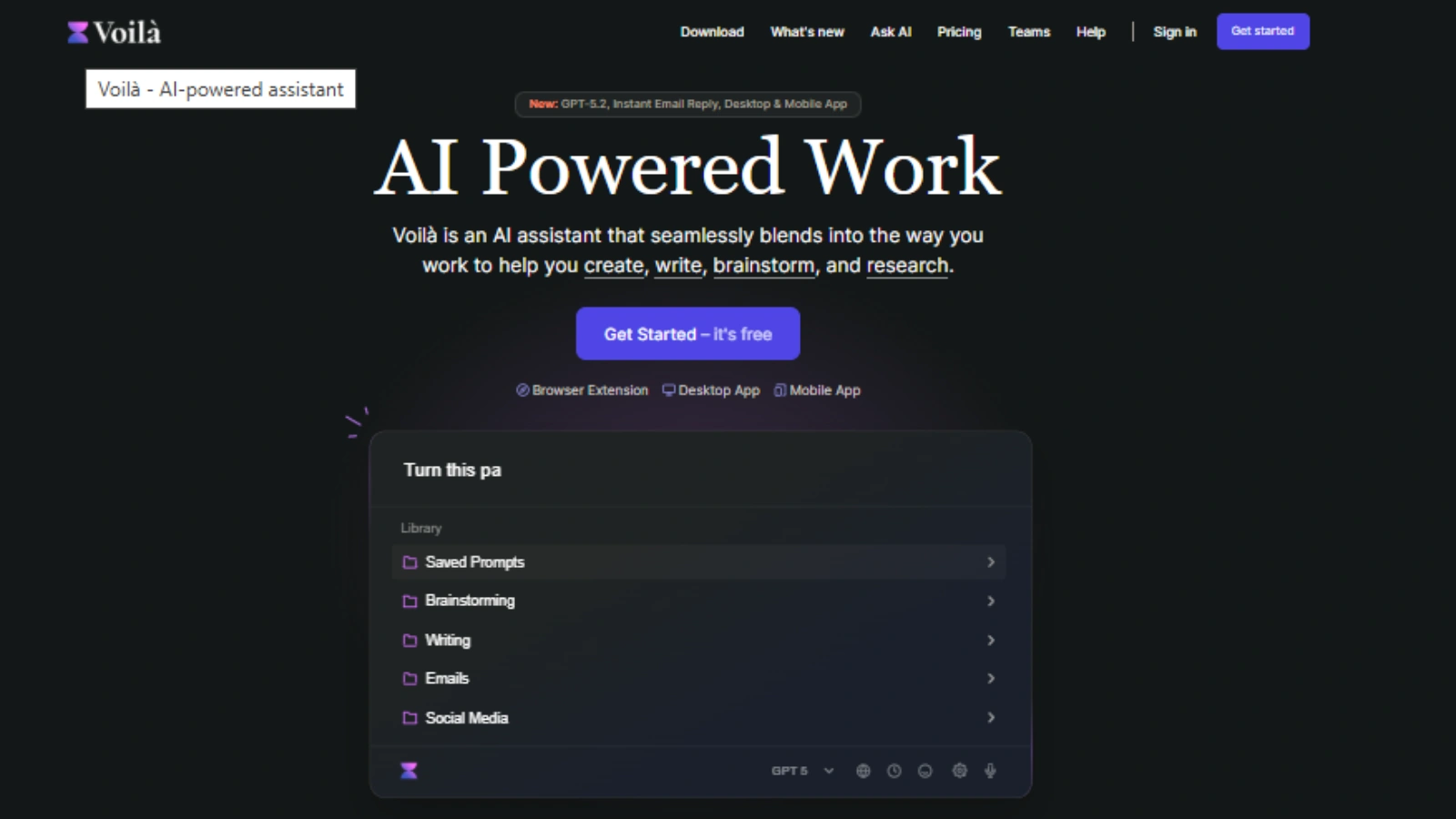
This works best for individuals and teams who want quick help with writing, research, or daily tasks. Think of students, marketers, or busy professionals.
Voila AI fits right into your workflow. It helps you write emails, summarize content, and generate ideas without switching between tools.
If you often feel stuck or short on time, it can speed things up and make everyday tasks easier.
CallHippo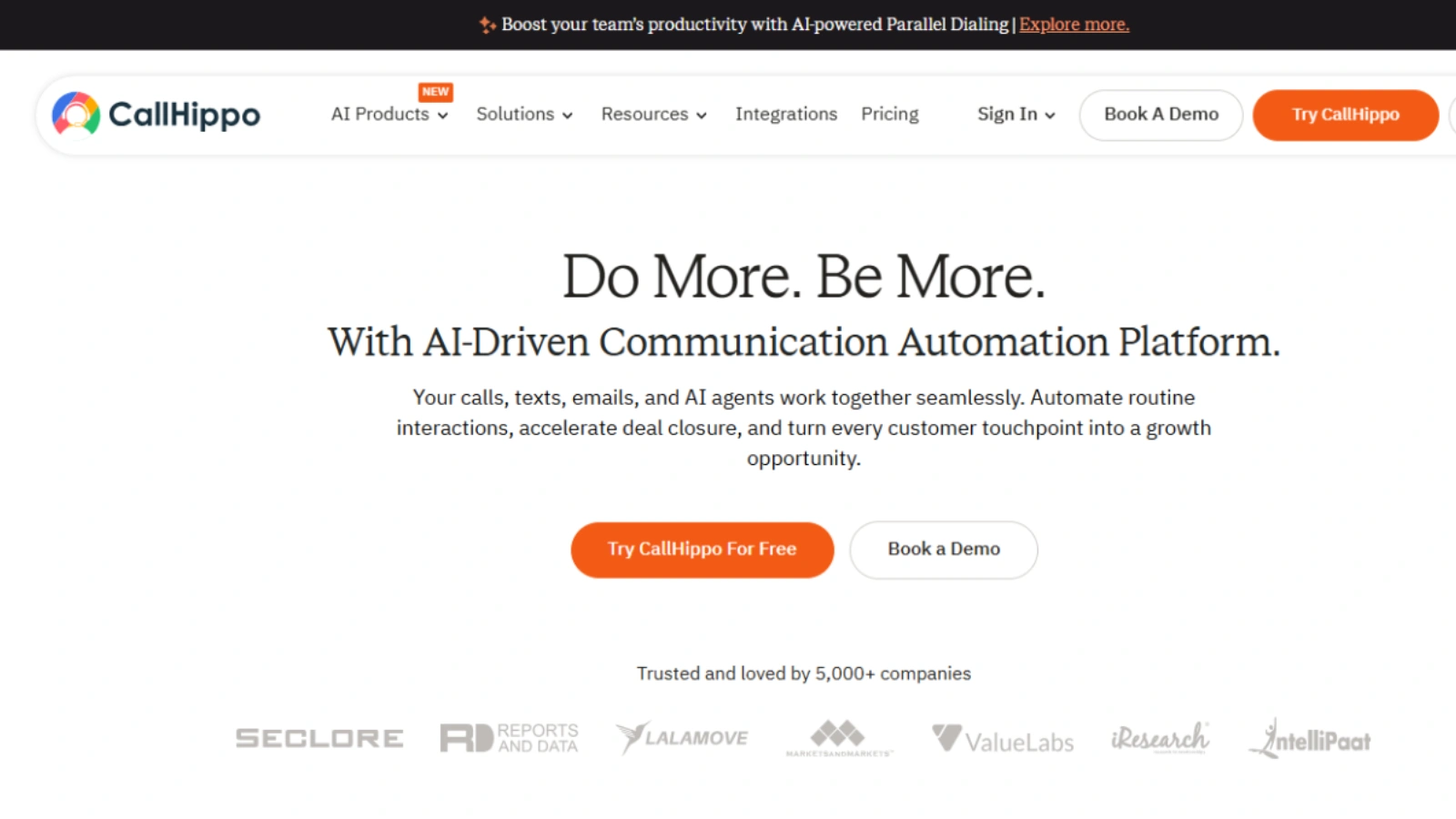
This works best for businesses that handle a high volume of calls, like sales teams, support teams, or remote companies.
CallHippo makes it easy to manage calls from anywhere. You can set up virtual phone systems, track conversations, and handle customer interactions without complex setups.
If your team deals with missed calls or scattered communication, it helps keep everything organized and responsive.
Where to find the best free AI agents without wasting time
Searching for best AI agents can feel overwhelming. There’s too much information and not enough clarity.
This is where curated platforms make a real difference.
Instead of going through endless blog posts, you can use a platform that organizes tools based on use case, pricing, and practical value.
SaaS Trac is one of those platforms.
It helps you discover the best free AI agents in a structured way. You can explore tools by category, compare features, and quickly understand who each tool is built for.
For example, if you want beginner-friendly tools, you can filter options that require no coding. If you’re more technical, you can explore advanced frameworks in one place.
This approach saves time and makes decision-making much easier.
A simple way to approach your first AI agent
If you’re new to the best free AI agents, it’s easy to overthink the process.
A better approach is to start small.
Pick one tool that matches your current skill level. Spend 15 to 20 minutes using it for a real task, whether that’s writing, research, or automation.
Pay attention to what works and what feels limiting.
Once you’ve done that, exploring other tools through platforms like SaaS Trac becomes much more effective. You’ll know what to look for instead of guessing.
Discover and compare the best free AI agents with SaaS Trac
Finding the best free AI agents shouldn’t feel like a guessing game. Yet many people end up switching between different sites without getting clear answers.
That’s where SaaS Trac helps.
Instead of showing random tools, it brings together a wide range of AI agents in one place. You can explore options based on what you actually need, whether that’s simple tools or more advanced systems.
Here’s what makes it useful:
- All-in-one discovery
Browse multiple best free AI agents without jumping between websites. - Clear use-case examples
Explore real AI agents examples like content creation, research, and automation. - Easy comparison
See how each tool works and compare features without confusion. - Beginner to advanced options
Find tools that match your level, from simple setups to full AI intelligent agent systems. - Smart filtering
Narrow down tools based on your needs, saving time and effort. - Better understanding of tools
Get a clearer view of different types of agent in AI and how they work in real scenarios.
Instead of relying on scattered information, you get a structured way to explore, compare, and choose. That alone makes finding the right tool much easier.
The bigger picture: why this matters now
The rise of the best free AI agents points to a larger shift in how software is used.
We’re moving from tools that assist to systems that act.
There are different types of agent in AI, ranging from simple reactive systems to more advanced learning-based ones. Most tools available today fall somewhere in between.
They’re not fully autonomous yet, but they already change how tasks are completed.
Understanding how to choose the right tool matters more than simply knowing what’s available.
The best time to start is when you stop overthinking it

You don’t need the perfect setup to begin exploring the best free AI agents.
Pick one tool and try it on a real task. Even a short session can give you clarity. That first interaction often teaches you more than hours of reading ever will.
Start small. Ask it to help with something simple like summarizing an article, drafting an email, or organizing ideas. Notice how it responds. See where it helps and where it falls short.
That experience builds intuition.
As you spend more time with different best free AI agents, patterns start to appear. You’ll quickly understand which tools are too limited, which ones feel powerful, and which ones match your workflow.
At that point, your decisions become faster and more confident.
If you’re unsure what to try next, platforms like SaaS Trac can guide you toward better options based on what you’ve already explored. Instead of guessing, you’re choosing with context.
The key is simple. Don’t wait until everything makes sense.
Start using one of the best free AI agents today, learn from it, and let that experience guide your next step.
Frequently asked questions
Can I really use these AI agents completely for free?
Yes, but the best free AI agents come with limits. These may include usage caps, API costs, or optional upgrades.
What’s the difference between an AI agent and ChatGPT?
ChatGPT responds to prompts. An AI agent takes action and completes tasks across multiple steps.
Do I need to know how to code to use AI agents?
No. Many of the best free AI agents are beginner-friendly, while others are built for developers who want more control.
What are the different types of AI agents?
They include simple reflex agents, model-based agents, goal-based agents, utility-based agents, and learning agents.
Which free AI agent is best for a complete beginner?
Start with a simple, no-code option. Then explore more advanced tools through platforms like SaaS Trac.