

The financial world has always evolved with technology. From spreadsheets to digital banking, every leap has redefined how institutions operate. Now, AI Finance stands at the center of the next major transformation.
Businesses no longer rely only on manual analysis, instinct, or static reports. Intelligent systems now predict trends, automate decisions, detect fraud, and optimize portfolios in real time. The integration of artificial intelligence into financial services has moved from experimentation to essential infrastructure.
This blog explores how AI Finance is reshaping banking, accounting, investing, compliance, and business strategy. You will discover real applications, strategic advantages, and emerging AI agent platforms that help organizations move faster and smarter.
What Is AI Finance?
It refers to the application of artificial intelligence technologies in financial processes, decision-making, risk assessment, and operational management. It combines machine learning, predictive analytics, automation, and data modeling to improve financial accuracy and efficiency.
Unlike traditional systems that rely on predefined rules, AI Finance solutions learn from patterns, adapt to market shifts, and improve performance over time.
Organizations across industries now leverage these specialized AI use cases in finance to streamline workflows, reduce human error, and gain a distinct competitive advantage.
Why AI Finance Matters In 2026?
Financial markets move faster than ever. Data volumes grow exponentially. Customers expect instant service. Regulations tighten across regions.
In this environment, companies that ignore intelligent financial technologies risk falling behind. Intelligent automation enables:
- Faster transaction processing
- Real-time risk monitoring
- Advanced fraud detection
- Predictive revenue forecasting
- Smarter capital allocation
Modern enterprises treat AI Finance as a strategic growth engine, not just a support function. It drives revenue optimization and operational intelligence simultaneously.
The Evolution Of AI In Financial Systems
To understand the present impact of AI in finance, it is important to look at how the journey began.
Early financial automation focused on rule-based systems. Banks used algorithms to flag suspicious transactions, while hedge funds deployed quantitative models to support trading decisions.
Then machine learning entered the scene. Systems began recognizing behavioral patterns, predicting loan defaults, and analyzing consumer spending trends.
Today, modern financial systems integrate deep learning, natural language processing, and real-time data modeling. Organizations now build intelligent financial ecosystems that adapt instantly to market conditions.
Many executives ask how AI has been used in finance over the years. The answer lies in three stages: automation, prediction, and autonomous decision-making. The industry is now firmly operating in the third stage.
How Does AI Finance Improve Fraud Detection And Risk Management?
1. Fraud Detection and Risk Management:
Financial fraud costs billions annually. Traditional monitoring systems fail to detect complex, evolving threats.
AI Finance platforms analyze transaction patterns, behavioral anomalies, and network signals to identify suspicious activities instantly. They reduce false positives while improving detection accuracy.
Banks now deploy intelligent monitoring engines that protect customers without slowing transactions.
2. Intelligent Credit Scoring:
Conventional credit scoring models rely heavily on limited financial history, whereas modern AI-driven systems evaluate a broader range of behavioral and transactional data.
This approach improves credit inclusion while minimizing risk exposure. Fintech companies leverage adaptive scoring engines that continuously refine and update borrower profiles.
3. Algorithmic Trading:
Investment firms leverage AI-driven finance for predictive modeling and high-frequency trading.
Machine learning systems analyze market signals, macroeconomic indicators, and historical data to generate optimized trading strategies.
Unlike human traders, these systems can process massive datasets within milliseconds, enabling faster and more precise decision-making.
4. Financial Forecasting:
CFOs use AI Finance tools to generate accurate revenue projections and cash flow forecasts.
Intelligent models analyze historical performance, seasonality, economic trends, and operational metrics. Businesses make data-driven decisions with higher confidence.
5. Automated Accounting:
Manual bookkeeping slows growth. Errors increase compliance risks.
Modern AI Finance platforms automate reconciliation, expense categorization, tax calculations, and reporting. These systems free finance teams to focus on strategic planning instead of repetitive tasks.
Where Is AI Finance Being Applied Across The Financial Industry?
It is transforming multiple sectors within the financial ecosystem. From traditional banking institutions to fast-growing fintech startups and advanced financial software platforms, intelligent systems are improving efficiency, decision-making, and customer experience across the industry.
AI Finance In Banking:
Banks integrate advanced AI capabilities to enhance customer experience and improve operational efficiency.
Chatbots provide instant support, intelligent underwriting accelerates loan approvals, and predictive analytics strengthen cross-selling strategies.
Retail and corporate banks leverage adaptive systems to personalize financial products based on behavioral insights. This shift strengthens customer retention while boosting revenue streams.
AI Finance In Fintech Startups:
Fintech companies build their entire infrastructure around AI finance principles.
They automate onboarding, monitor transactions in real time, and deploy dynamic pricing strategies to improve operational productivity. These startups scale rapidly because intelligent systems reduce operational bottlenecks.
The combination of agility, automation, and enhanced productivity gives them a strong competitive edge.
AI Tools Driving Financial Transformation:
Organizations no longer rely on generic software. They now deploy specialized ai tools for finance that integrate automation, predictive modeling, and real-time analytics.
These platforms handle everything from accounting to payment optimization. Businesses that adopt intelligent finance stacks operate faster, leaner, and smarter.
The rise of autonomous AI agents marks a major milestone in AI Finance evolution.
AI agents act as intelligent assistants capable of performing financial analysis, optimizing revenue streams, managing accounting workflows, and even acting as virtual CFOs.
One platform leading this movement is SaaStrac AI Agents .It offers a curated ecosystem of AI-powered financial agents designed for modern businesses.
Instead of juggling disconnected tools, companies can explore AI agents tailored for accounting, payments, growth forecasting, and asset management.
How Are AI Agents Transforming AI Finance For Modern Businesses?
Below are five powerful AI-driven platforms featured within the SaaStrac AI Agents ecosystem that demonstrate the real impact of AI Finance:
1. Xero – Smarter Accounting for Modern Businesses
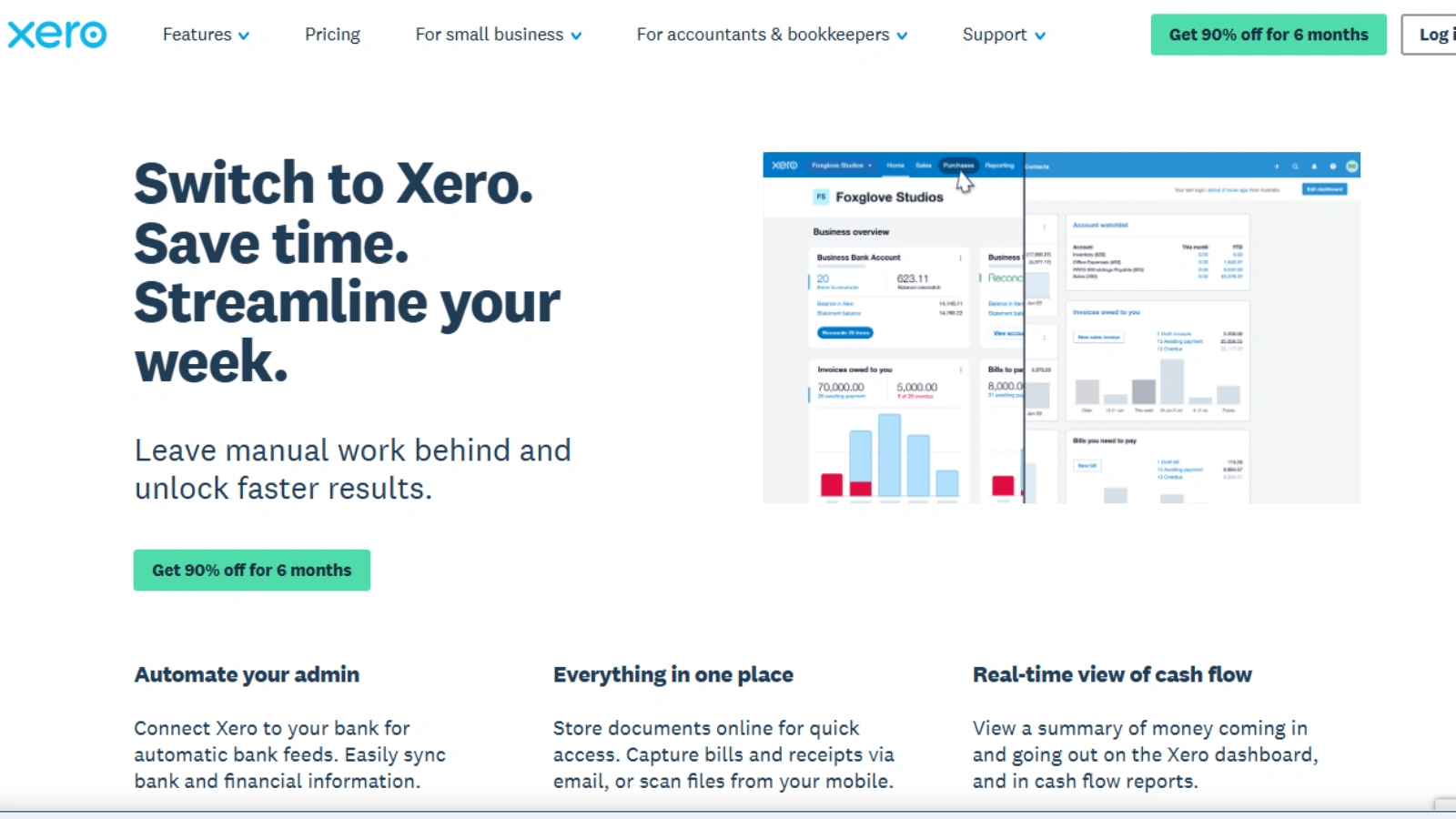
Xero delivers intelligent cloud accounting solutions for small and medium businesses.
Within the context of AI Finance, Xero automates bookkeeping, invoice management, payroll processing, and real-time reporting.
Its AI-driven insights help business owners understand cash flow trends instantly. Instead of reviewing static reports, leaders receive predictive recommendations that support proactive financial management.
2. Synder – AI Accounting Assistant for E-Commerce & SaaS

Synder focuses on automating accounting workflows for online businesses.
It syncs sales data across platforms and eliminates manual reconciliation.
For companies operating in digital commerce, this AI-powered assistant reduces errors and accelerates month-end closing. Synder strengthens the operational backbone of modern financial systems by ensuring accurate, automated financial records.
3. Stripe – Smarter AI Payments, Streamlined Revenue
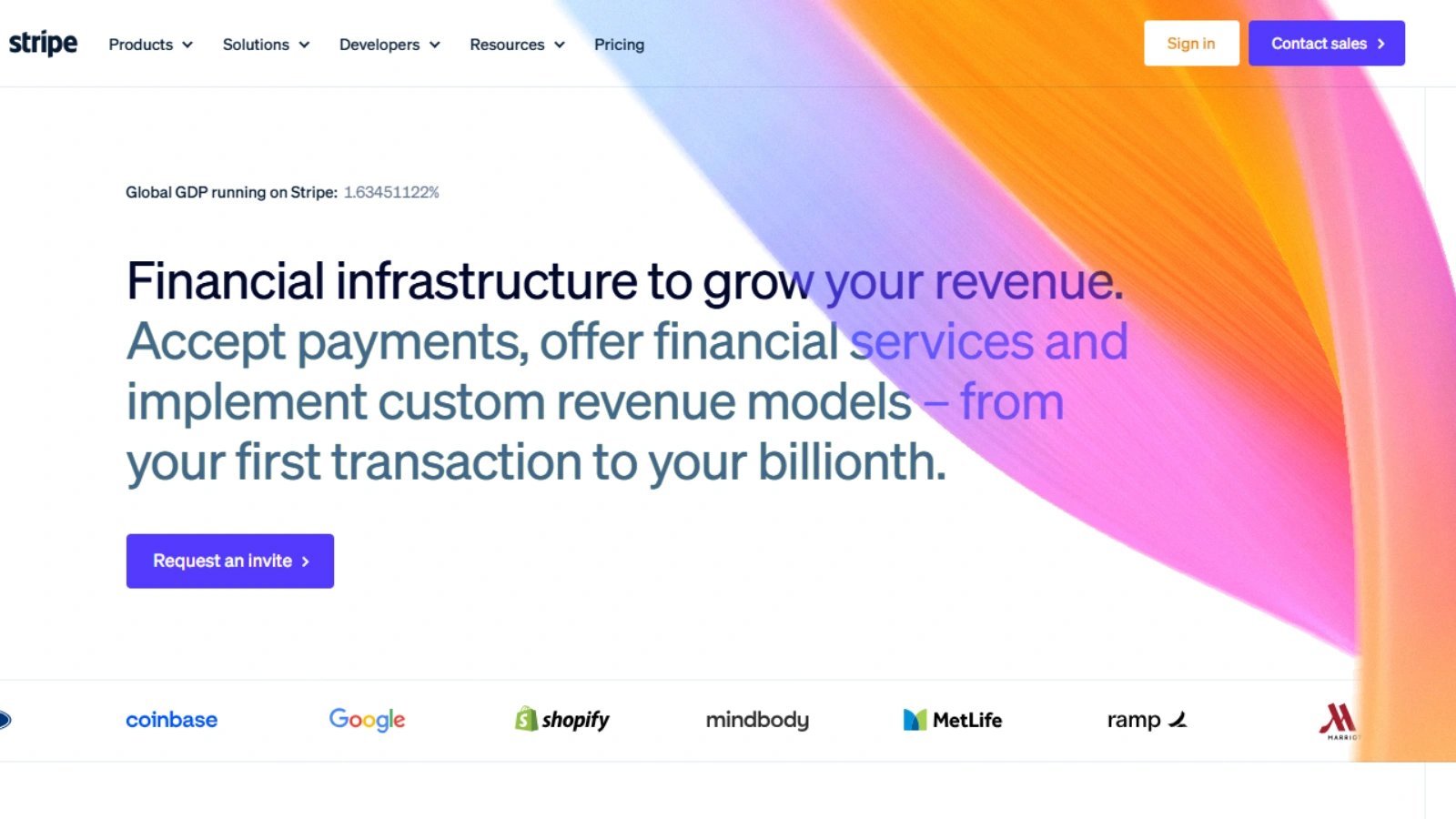
Integrates advanced AI capabilities into payment processing and revenue optimization.
Machine learning models help reduce fraud, optimize transaction routing, and improve payment authorization rates.
By leveraging intelligent payment systems, businesses can unlock higher revenue efficiency, playing a critical role in scaling AI finance infrastructures globally.
4. AiNgel – Your AI CFO to Outthink Burn & Outpace Growth

AiNgel functions as a virtual CFO powered by AI.
It analyzes burn rate, runway projections, capital efficiency, and growth metrics. Startups use AiNgel to make smarter fundraising and budgeting decisions.
This platform demonstrates how AI Finance moves beyond automation into strategic financial intelligence.
5. Swarms – Blockchain-Powered Marketplace for Tokenized Assets

Swarms connects AI with decentralized finance and tokenized asset ecosystems.
It enables smarter asset management, digital ownership tracking, and blockchain-powered financial operations.
As tokenized markets expand, Swarms represents the future intersection of AI and decentralized financial innovation.
Together, these tools show how AI Finance evolves from basic automation into a full-scale intelligent financial operating system.
How Does AI Finance Benefit Modern Businesses?
Improved Accuracy:
Manual financial processes often lead to reporting errors. Intelligent financial systems automate data analysis and validation, ensuring more accurate records and reliable forecasts.
Faster Decision-Making:
It provides real-time financial insights instead of delayed reports. This helps leaders identify trends quickly and make faster data-driven decisions.
Cost Efficiency:
Automation reduces the need for manual financial tasks like reconciliation and reporting. This lowers operational costs while improving overall productivity.
Strategic Advantage:
AI Finance uses predictive analytics to identify risks and growth opportunities. Businesses gain smarter insights that support better financial planning and competitive advantage.
Also Read:
Top Productivity AI Agents For Small Business & Teams
AI Agents Directory: Top 50 AI Agents You Should Try in 2026
How Does AI Finance Support Regulatory Compliance?
Financial regulations continue to evolve, requiring businesses to maintain strict reporting, auditing, and transparency standards.Modern AI-driven platforms help organizations stay compliant by automatically tracking transactions, analyzing financial activities, and identifying unusual patterns that may signal potential compliance risks.
These intelligent systems can generate audit-ready reports, maintain accurate financial records, and continuously monitor regulatory requirements. By adapting quickly to new compliance rules, AI Finance reduces legal risks and helps companies maintain trust with regulators and stakeholders.
The Future Of AI Finance
The next phase of AI Finance focuses on autonomous financial ecosystems.
AI agents will negotiate contracts, allocate capital, and manage liquidity with minimal human intervention.
Voice-driven financial dashboards, predictive treasury systems, and self-optimizing investment portfolios will redefine enterprise finance operations.
As technology matures, businesses will no longer treat AI as an optional enhancement. They will build entire financial architectures around intelligent systems.
How Businesses Can Implement AI Finance Successfully?
Start with Clear Financial Objectives:
Define the specific financial goals you want to achieve with intelligent financial systems, such as improving forecasting accuracy, reducing costs, or automating accounting workflows.
Identify Automation Bottlenecks:
Analyze existing financial processes to find repetitive or time-consuming tasks. These areas provide the best opportunities for AI-driven automation.
Choose Scalable AI-Powered Platforms:
Select AI Finance tools that integrate easily with your current systems and can scale as your business grows and financial data expands.
Train Teams to Interpret AI Insights:
Employees should understand how to use AI-generated insights for planning and decision-making. Proper training ensures teams maximize the value of AI tools.
Monitor Performance Continuously:
Track the impact of AI-driven financial solutions through key performance metrics. Continuous monitoring helps refine strategies and improve long-term outcomes.
A structured implementation approach ensures businesses unlock the full value of these technologies while maintaining efficiency and supporting sustainable growth.
Final Thoughts
AI Finance has shifted from innovation to necessity. It transforms accounting, banking, investing, and strategic planning.
Organizations that embrace intelligent automation gain faster insights, stronger compliance, and higher profitability.
Platforms like SaaStrac AI Agents and tools such as Xero, Synder, Stripe, AiNgel, and Swarms demonstrate how modern enterprises can build intelligent financial ecosystems.
The future belongs to businesses that integrate intelligence into every financial decision. With the right strategy, AI Finance becomes more than technology, it becomes a competitive advantage.
FAQs
1. What is AI Finance?
It refers to the use of artificial intelligence technologies such as machine learning, predictive analytics, and automation to improve financial processes. It helps businesses automate accounting, detect fraud, forecast revenue, and optimize decision-making with real-time insights.
2. How does AI Finance improve financial decision-making?
It analyzes large volumes of structured and unstructured data to identify trends, risks, and growth opportunities. It provides predictive insights that allow CFOs and finance teams to make faster, data-driven decisions instead of relying only on historical reports.
3. How has AI been used in finance over time?
Artificial intelligence first appeared in finance through rule-based fraud detection systems and algorithmic trading models. Over time, it evolved into advanced machine learning systems that support credit scoring, financial forecasting, compliance monitoring, and autonomous financial agents.
4. What are the main benefits of AI in financial operations?
AI enhances accuracy, reduces operational costs, speeds up transaction processing, improves fraud detection, and strengthens compliance. It also enables predictive forecasting and smarter capital allocation.