
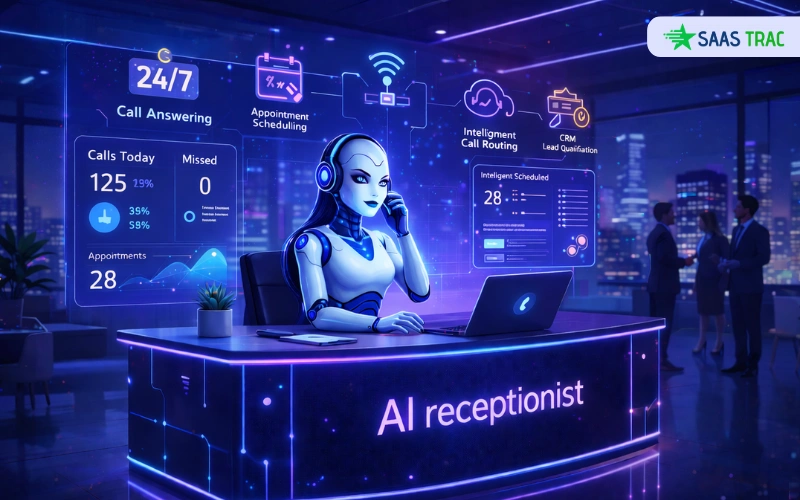
An AI receptionist can be the difference between capturing a lead and losing it instantly. When a customer calls and no one answers, they rarely wait. In fact, 60 to 80 percent of callers will simply move on to a competitor.
An AI receptionist handles incoming calls automatically, speaks with customers in real time, and manages tasks like booking appointments or collecting details. It works continuously, without breaks, and responds in a natural, conversational way.
Unlike older systems, an AI voice receptionist doesn’t rely on rigid menus or long wait times. It understands what the caller wants and responds in a way that feels direct and human.
Key Features of an AI Phone Receptionist
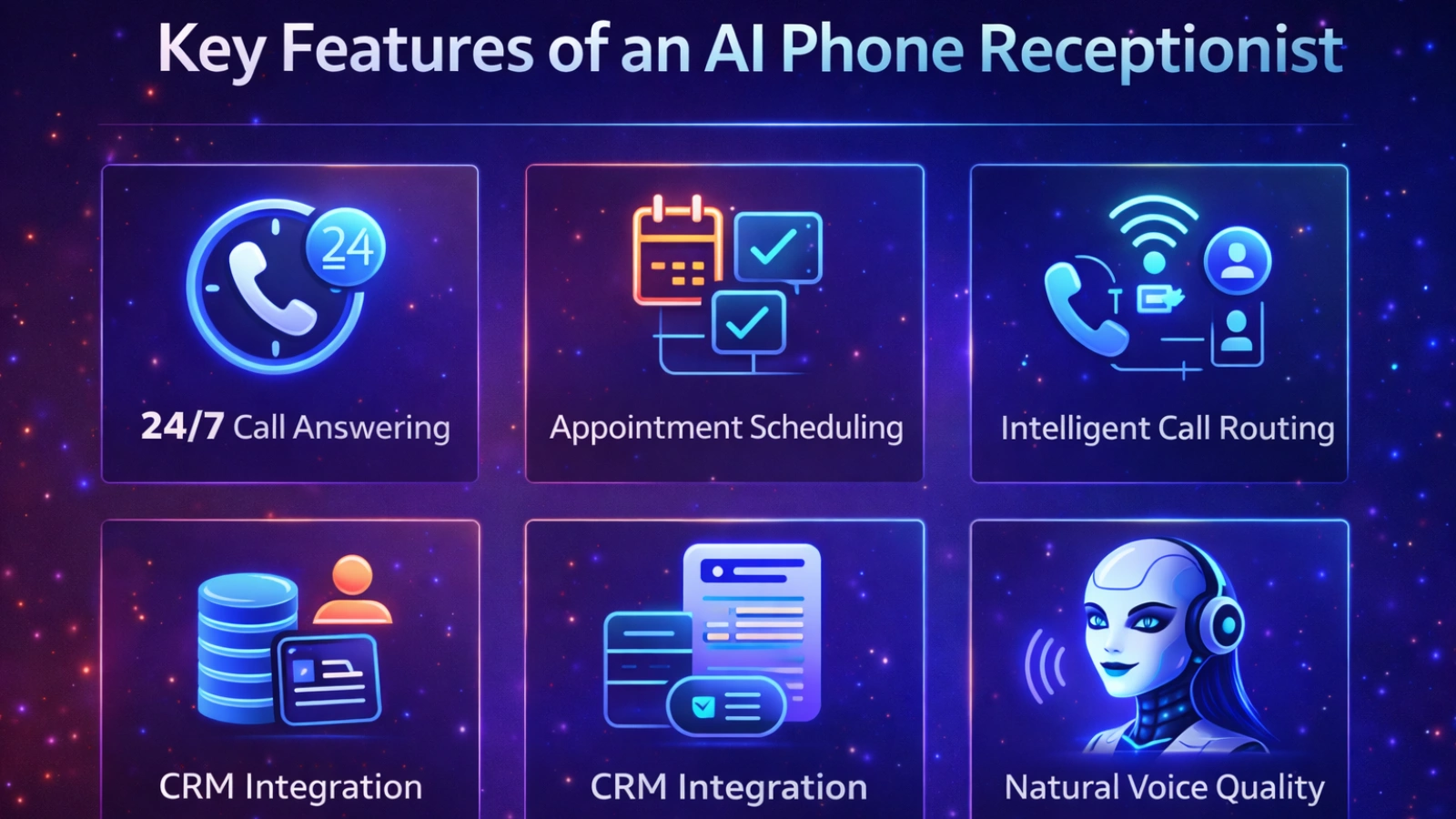
An AI phone receptionist does more than answer calls. It helps you turn every interaction into something useful for your business.
24/7 Call Answering
Missed calls happen more often than most businesses expect. On average, nearly 37.8 percent of inbound calls go unanswered.
A receptionist removes that gap. It picks up every call, whether it comes in during busy hours or late at night.
For many businesses, this alone can recover a significant amount of lost revenue.
Appointment Scheduling
Booking appointments should feel simple, not frustrating.
This tool connects with other tools like Google Calendar and scheduling platforms to check availability instantly. It confirms appointments on the spot without putting callers on hold.
That speed improves customer experience and reduces drop-offs.
Intelligent Call Routing and Human Escalation
Some calls need a human touch.
An AI receptionist can identify when a situation requires more attention and route the caller to the right person. If the request is complex or sensitive, the handoff happens smoothly.
This keeps the experience efficient while still personal when it matters.
Lead Capture and Qualification
Every incoming call is a potential opportunity.
An AI receptionist gathers key details, asks relevant questions, and records everything automatically. There’s no need to take notes or manually enter data later.
This makes it easier to follow up quickly and stay organized.
Natural, Human-Like Voice Quality
A common concern is whether conversations will feel robotic.
Modern systems sound far more natural than most expect. In many cases, people cannot tell whether they are speaking to a person or an AI.
That familiarity helps callers feel comfortable and keeps the interaction smooth.
CRM and Calendar Integrations
Disconnected tools slow teams down.
An AI receptionist connects directly with CRM systems and calendars, ensuring every interaction is logged and accessible. Information moves where it needs to go without extra effort.
This keeps everything aligned and reduces repetitive work.
Who Needs an AI Receptionist for Small Business?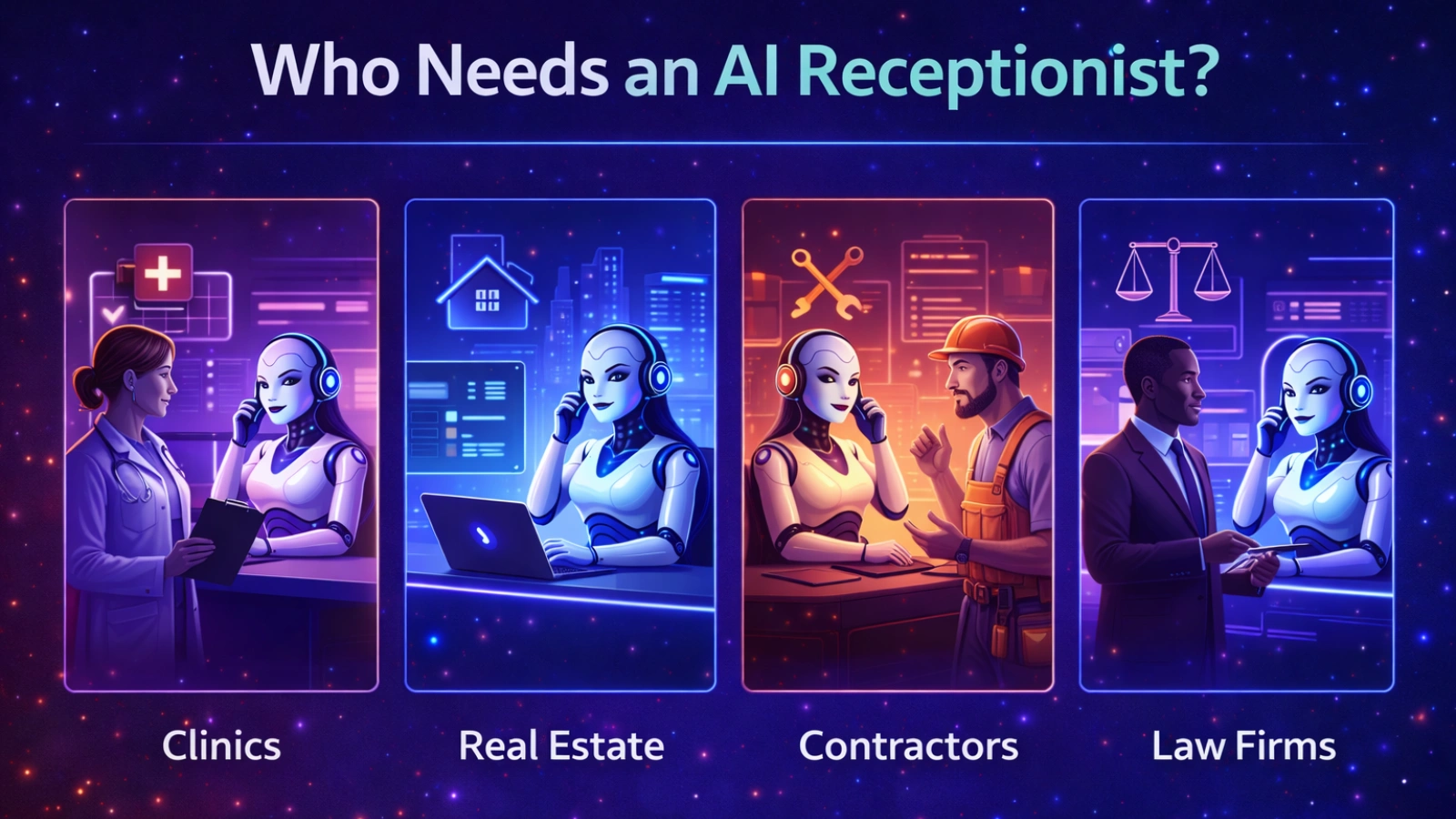
An artificial intelligence receptionist for small businesses adapts well across industries. The real value depends on how important calls are to your daily operations.
Medical and Dental Clinics
Missed calls often mean missed appointments.
Clinics regularly lose a portion of calls during working hours. An AI receptionist helps manage bookings, send reminders, and reduce no-shows.
It can also escalate urgent cases while staying aligned with compliance requirements.
Real Estate Agencies
Timing plays a huge role in conversions.
Prospects often call after hours when interest is highest. If no one answers, that lead is likely gone.
An AI receptionist captures details right away, qualifies interest, and helps schedule the next step.
Contractors and Home Services
Service requests rarely follow a schedule.
When something breaks, people want help immediately. If the call isn’t answered, they move on.
An AI receptionist logs the issue, captures urgency, and alerts the right person when needed.
Law Firms and Professional Services
First contact sets the tone.
An AI receptionist handles initial conversations professionally, collects key information, and routes urgent matters without delay.
This keeps intake structured while maintaining a strong client experience.
Startups and Solo Operators
Hiring support staff is expensive.
For smaller teams, an AI receptionist offers a practical alternative. It provides consistent coverage without the cost of a full-time employee.
This allows businesses to stay responsive while keeping expenses under control.
4 Best Voice AI Receptionist Tools
Choosing the right voice receptionist AI tool depends on how your business handles calls, how much automation you need, and how important customer experience is in your workflow.
Let’s take a closer look at each option and where it fits best.
Tool 1: Revolutionizing Appointment Booking and Customer Support
This solution works best for service-based businesses that rely heavily on scheduling. Think clinics, salons, consultants, or agencies.
What stands out here is how smoothly it handles conversations. Instead of sounding scripted, it guides callers naturally toward booking an appointment. It can check availability in real time and confirm slots instantly.
If your team spends hours managing bookings or returning missed calls, this tool can remove that bottleneck. It’s especially useful when your schedule fills up quickly and timing matters.
Tool 2: Phonely AI
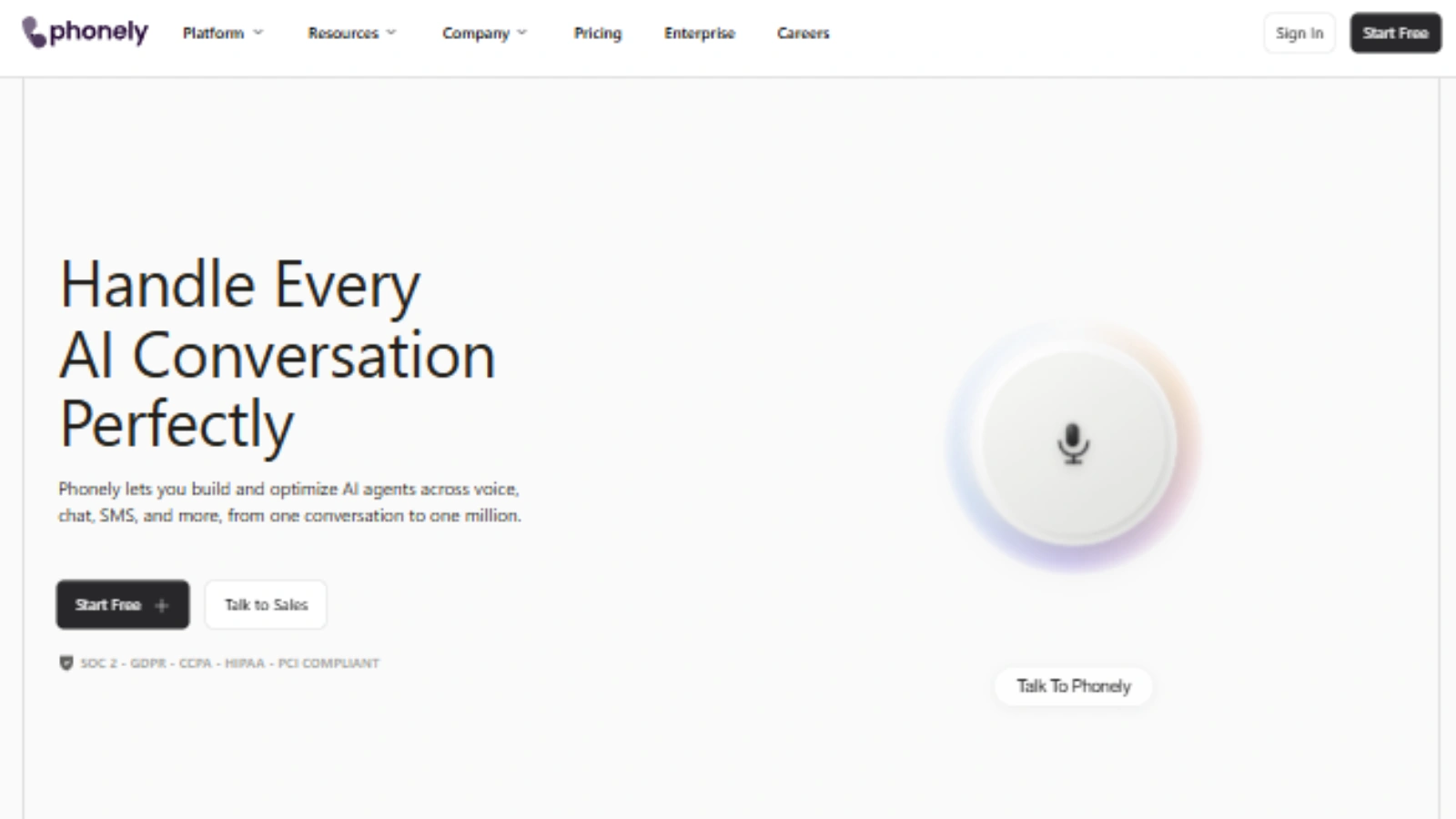
Phonely AI is a strong choice for growing businesses that need something reliable without a complicated setup.
It’s designed to get you up and running quickly. You don’t need deep technical knowledge to start using it, which makes it appealing for small teams.
The platform focuses on consistent call handling. It answers calls, captures key details, and ensures nothing slips through the cracks. For businesses scaling their operations, this kind of stability matters more than advanced customization.
Tool 3: Cartesia Sonic-3
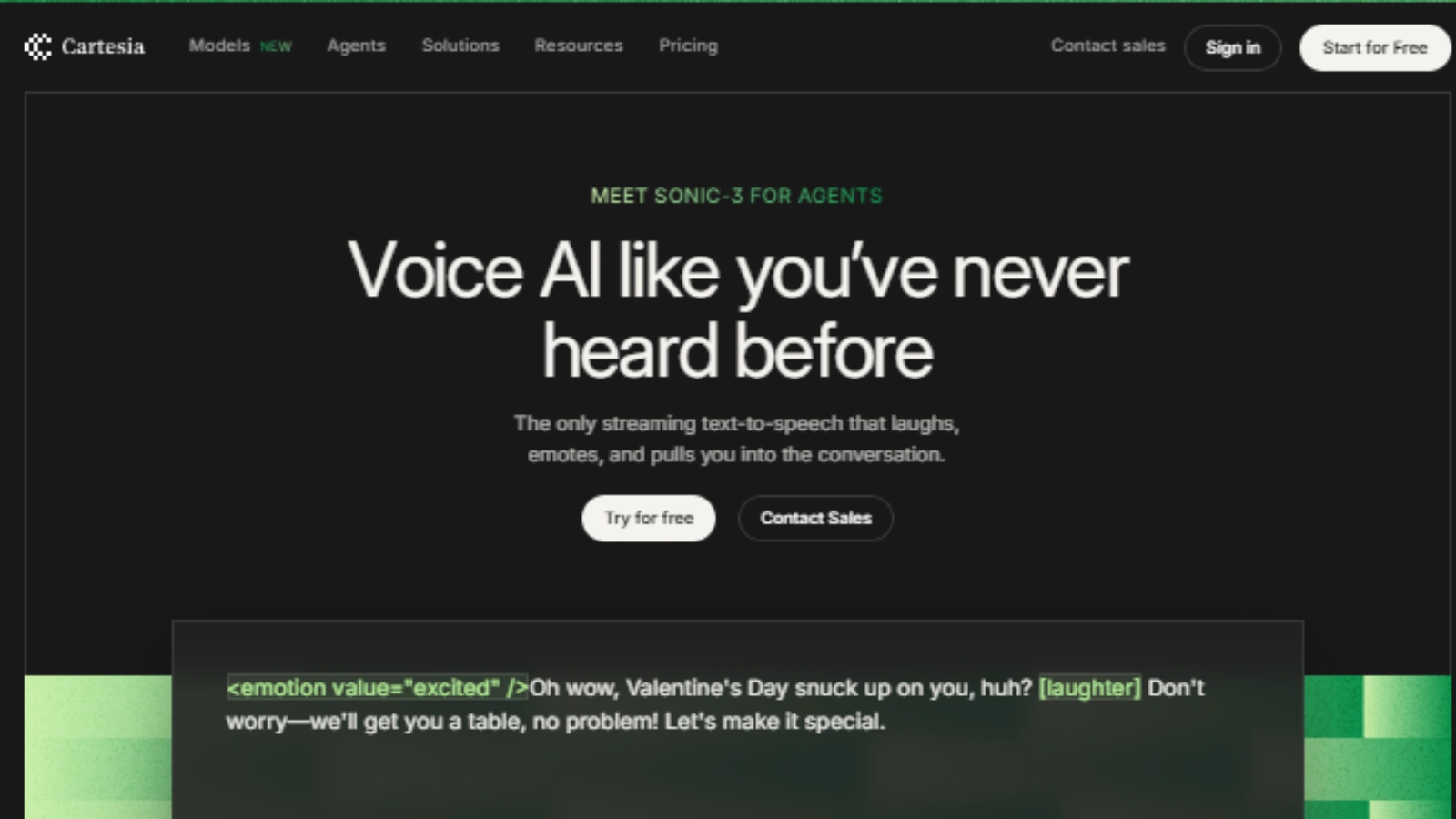
Cartesia Sonic-3 is built for businesses that care deeply about how conversations sound and feel.
Its biggest advantage is voice quality. The system can adjust tone and emotion in real time, making interactions feel more human. This is useful in industries where communication style impacts trust, such as consulting or high-ticket sales.
If you want your voice AI receptionist to sound less like automation and more like a trained professional, this tool is worth considering. It’s also flexible, which makes it a good fit for more advanced use cases.
Tool 4: Lilac Labs
Lilac Labs is ideal for startups and teams that want more control over how their system works.
Instead of offering a fixed setup, it allows you to build custom workflows. You can define how calls are handled, what questions are asked, and how responses are structured.
This level of flexibility is useful if your business has unique processes. For example, if your intake flow differs from standard booking systems, you can tailor it to your needs.
It does require a bit more setup, but the payoff is a system that fits your workflow closely.
Is an AI Receptionist Right for Your Business?
An AI receptionist can solve real problems, but it’s not necessary for every situation.
Start by looking at your current setup. Do you miss calls during or after business hours? Are customers reaching out when your team isn’t available? Do routine calls take up too much time?
If any of these sound familiar, trying these AI tools could make a noticeable difference.
That said, some interactions still need a human presence. Emotional conversations or complex cases often benefit from direct human support.
If you’re considering the switch, begin by exploring the tools above and test one through a free trial. It’s a simple way to see how well it fits your workflow.
Conclusion
An AI receptionist isn’t just about answering calls. It changes how your business handles every incoming interaction.
Instead of missed opportunities and delayed responses, you create a system that works continuously, captures leads instantly, and keeps your operations running smoothly. Whether it’s booking appointments, qualifying prospects, or routing calls, the impact shows up quickly.
That said, the real value depends on how you use it. Businesses that combine automation with clear processes tend to see the best results. It’s not about replacing people completely. It’s about freeing them from repetitive tasks so they can focus on what matters.
If you’re missing calls or struggling to keep up with demand, this is worth exploring. Start small, test what works, and refine from there. A well-implemented receptionist doesn’t just save time; it helps you grow more consistently.
FAQs
What does a virtual receptionist system do?
It answers calls, interacts with customers, schedules appointments, and routes inquiries automatically without human assistance.
Can it be used across different industries?
Yes, it can be tailored for healthcare, real estate, legal services, and home service businesses based on specific needs.
How well does it understand callers?
Modern systems use advanced voice recognition and can understand intent accurately in most everyday conversations.
Is it available outside business hours?
Yes, it works 24/7, ensuring every call is answered, even at night, on weekends, or on holidays.
Can it connect with business tools and software?
It integrates with CRM platforms, calendars, and other tools to automate workflows and store customer data efficiently.